|
 OMEGA
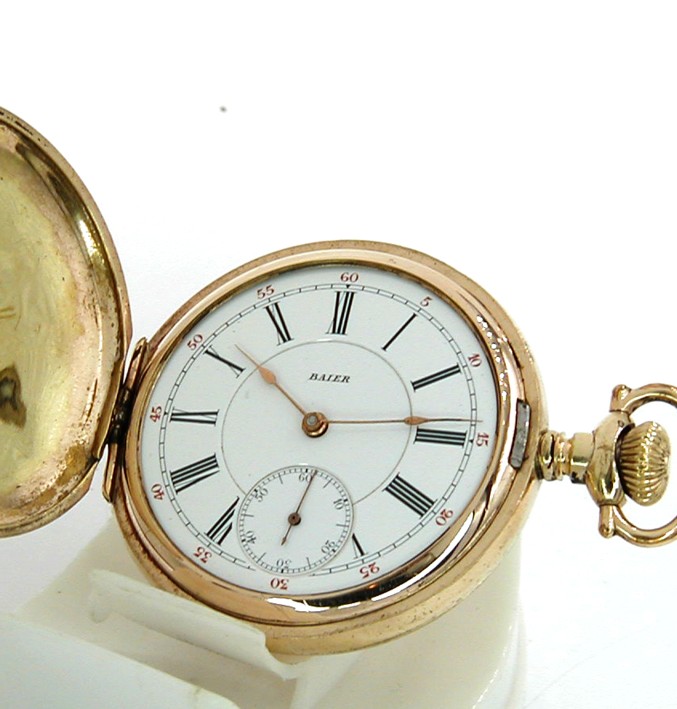
3 RINGER BRIDGE RARE MICRO REGULATOR MODEL GOLD FILLED HUNTER CASE WELL SERVICED
1903 OMEGA
3 RINGER BRIDGE RARE MICRO REGULATOR MODEL GOLD FILLED HUNTER CASE WELL SERVICED
1903
STOCK NUMBER # OMEGA630-----I
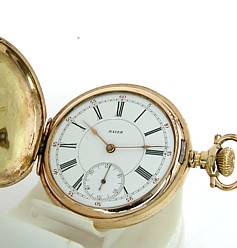
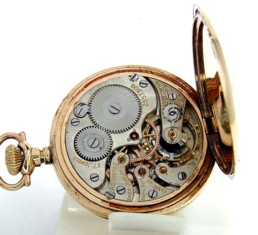
have for sale a fully serviced the proper way Omega private name pocket watch
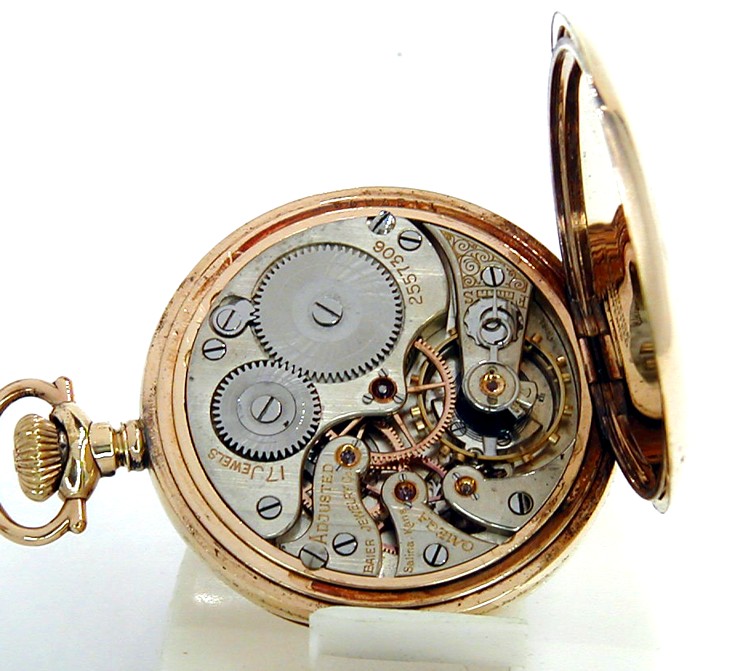
with a high grade movement as you can tell by the micro regulator which is not
common. The movement and enamel dial are both signed "Baier" which is a or was a
jewellery store in Salina Kansas (90 miles North of Wichita) back in the 1903
era. There are 17 clean and inspected ruby jewels to this 16 size stem wind and
stem set pocket watch with the serial number 2,557,306. Notice please the jewels
are all in solid gold jewel settings and even the entire train (wheels) are
solid casted 10 karat gold! This is a not a common movement as it has a 3 finger
train bridge as most are solid plates. I did add a new mainspring and keeps
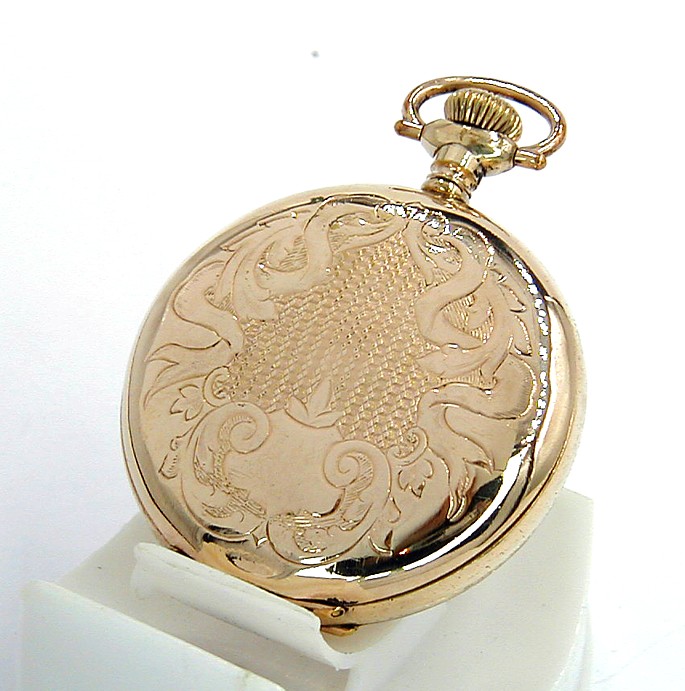
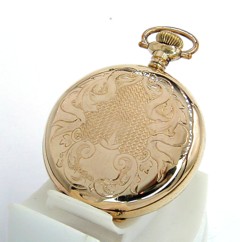
excellent time indeed. The case is 10 karat gold filled and signed "Providence,
20 years etc" with the serial number 1,137,892. The dial is enamel as mentioned
prior and it is 95% perfect not a line not a flaw but to be safe I will call it
95%. The hands are solid 10 karat gold and the crystal is glass newly installed
and flawless. Across this Omega pocket watch is 53mm so again it is a 16 size.
Push the crown in and the lid "pops" perfectly. As clean as can be and a few
winds of the crown and off goes the balance wheel as it is that clean!
700.00 USD
 |

|
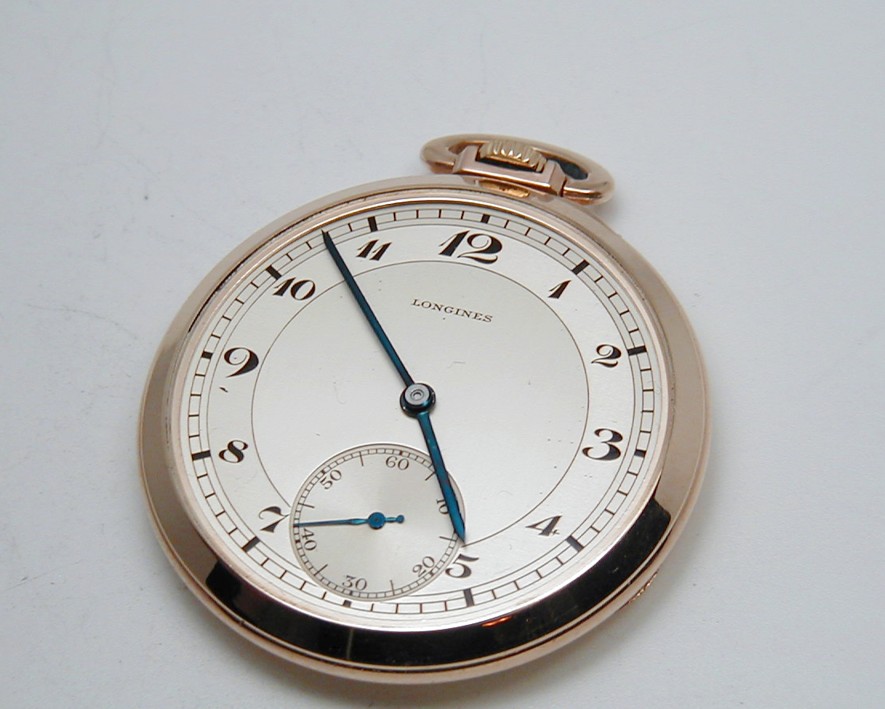
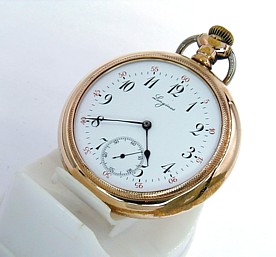
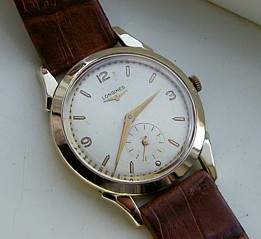
LONGINES
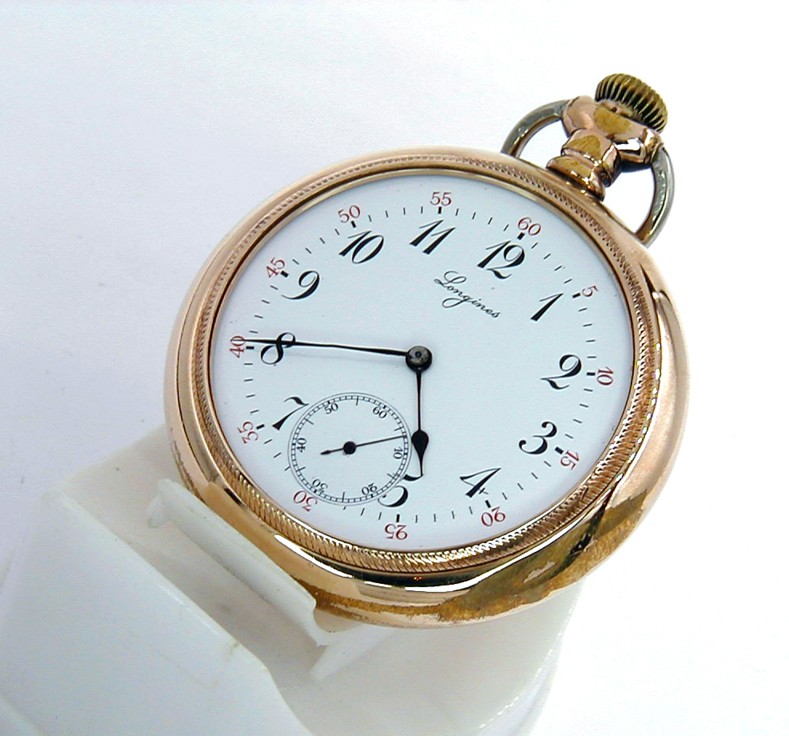
GOLD FILLED CASE 15 JEWELS 18 SIZE SERVICED PROPERLY 1905
STOCK NUMBER # LONGINES335----- I
have for sale a fully serviced vintage Longines pocket watch and produced in
house at the Longines Factory in Switzerland. This is a 15 jewel caliber 21.54
movement and all 15 jewels inspected properly. The serial number for this "Swirl
damascene" design movement is 2,049,946 and this places this Longines gold
filled case watch to the year 1905. I have to say this is really a super clean
movement and the original enamel dial very clean as well as I don't see any
lines at all and the outer 5 minute increments in red is a nice touch. The
crystal is glass and flawless. The hands are original Longines pieces and this
is a stem wind and stem set pocket watch movement. Across this 14 karat gold
filled case is 58mm and signed "Premier" and the serial number is 217,906 as
clean as can be and keeps great time of coarse!
500.00 USD
  |


|
OMEGA "MCINTOSH SPECIAL" 10 S1ZE GOLD
FILLED PRISTINE CASE POCKET WATCH AND WELL SERVCIED 1904
STOCK NUMBER # OMEGA8805-SWISS-2-------I have for sale a
pristine gold filled Omega pocket watch and it is 41mm across so can be worn
with ease in a vest pocket. This has the outer velvet selling box from
Harrisburg PA. The case once again is absolutely crisp as you can see by the
clear scans. This is a Wadsworth case and warranted 25 years with the serial
number 664,090. The dial is enamel and super clean and encased with a glass
hunter crystal freshly installed. The hands are thin railroad pieces and
original to this gem. This is a 7 clean and inspected jewelled Omega factory
Swiss made and signed "McIntosh Special" which is a private label name. The
serial number to this 10 size Omega movement is 250,024 which tells me the
beauty was produced in the year 1904. As it has been serviced the proper way
with a new mainspring it keeps excellent time for sure.
650.00 USD


|

 |
OMEGA EATON'S DEPT STORE ENAMEL DIAL 10 SIZE
GOLD FILLED HUNTER MODEL WELL SERVCIED 1909
STOCK NUMBER # OMEGA3810-SWISS-2-------As clean as can be
with no personal engravings on this hunter 10 size gold filled case signed
"Cashier, Warranted 25 years" and the case serial number is 509,677. This is a
10 size by American standards so across this case is 40mm in width. All hinges
are perfect and the crystal is glass not a flaw. The dial has a big "E" and this
stands for "Eaton's" which is Canada's main Department store which are all
across Canada. The hands are thin railroad spade pieces and original. The
movement is extra spotless and there are 15 clean and inspected jewels to this
gem which is a stem wind and a stem set piece. The serial number for this
movement is 3,058,405 which tells me this Omega in house movement was produced
in the year 1909 and keeps great time for sure. Under the dial on the movement
it does read "Omega" and this is a genuine Omega pocket watch please no doubts.
400.00 USD

|

|
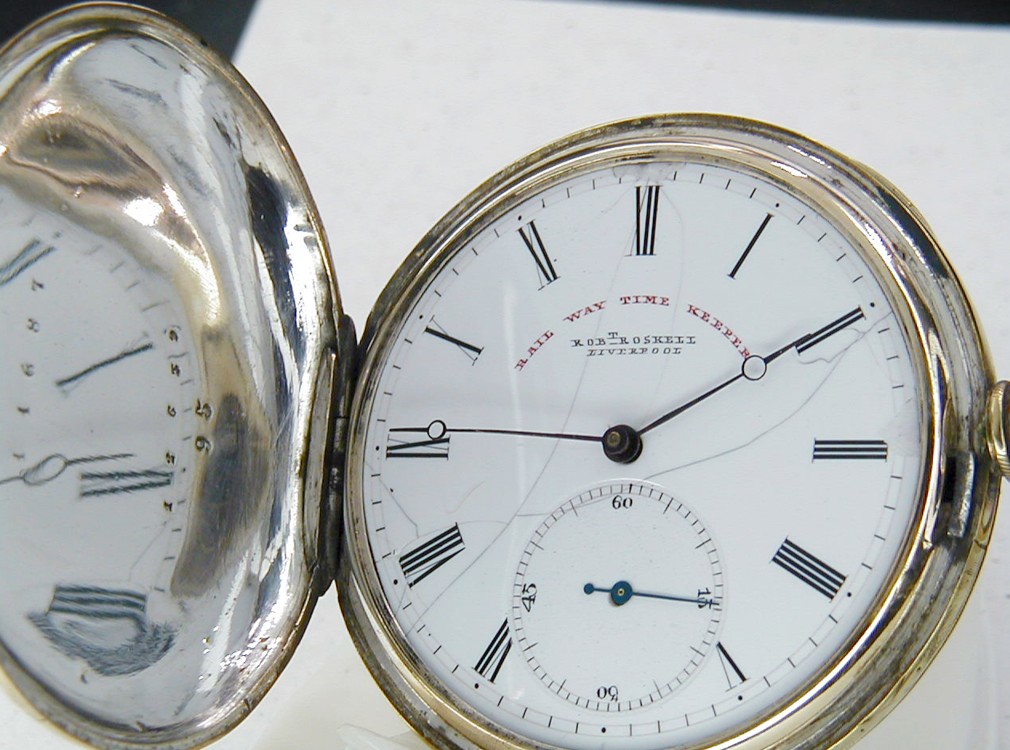
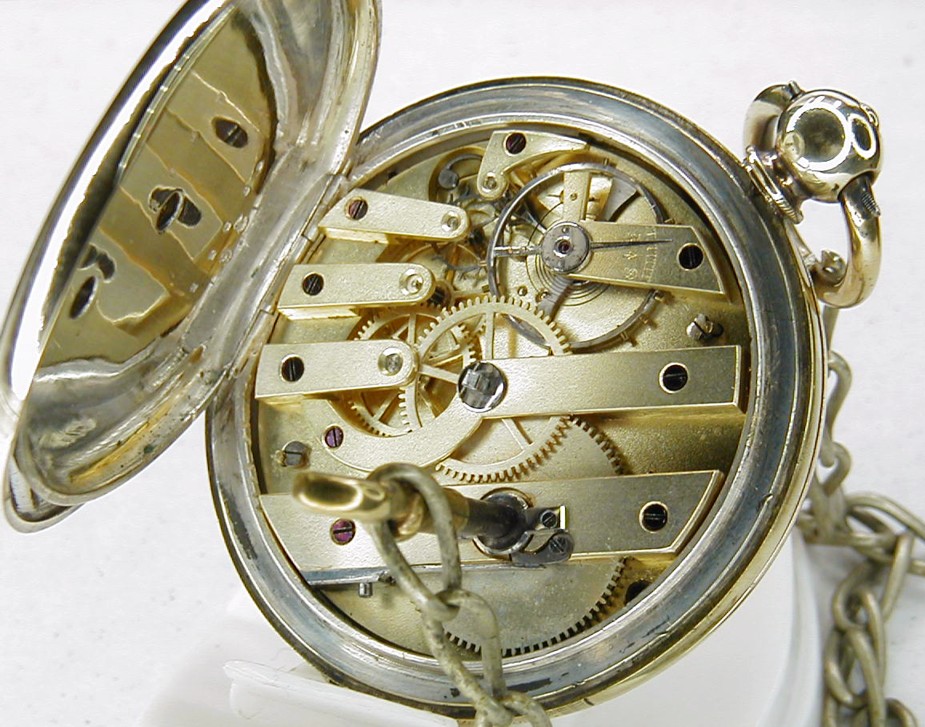
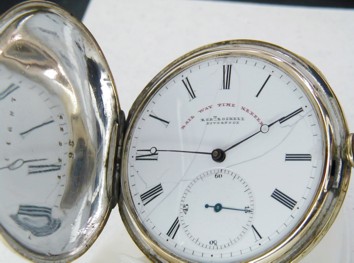
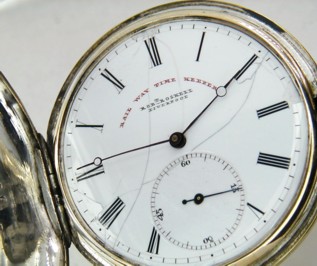
ROBERT
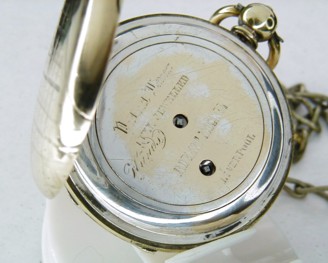
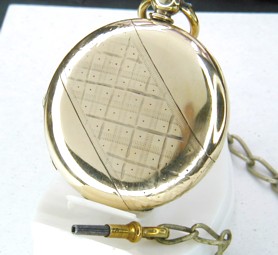
ROSKELL RAILROAD TIME KEEPER POCKET WATCH 18 SIZE AND WELL SERVCIED 1890
STOCK NUMBER #ROSKELL6100--------This
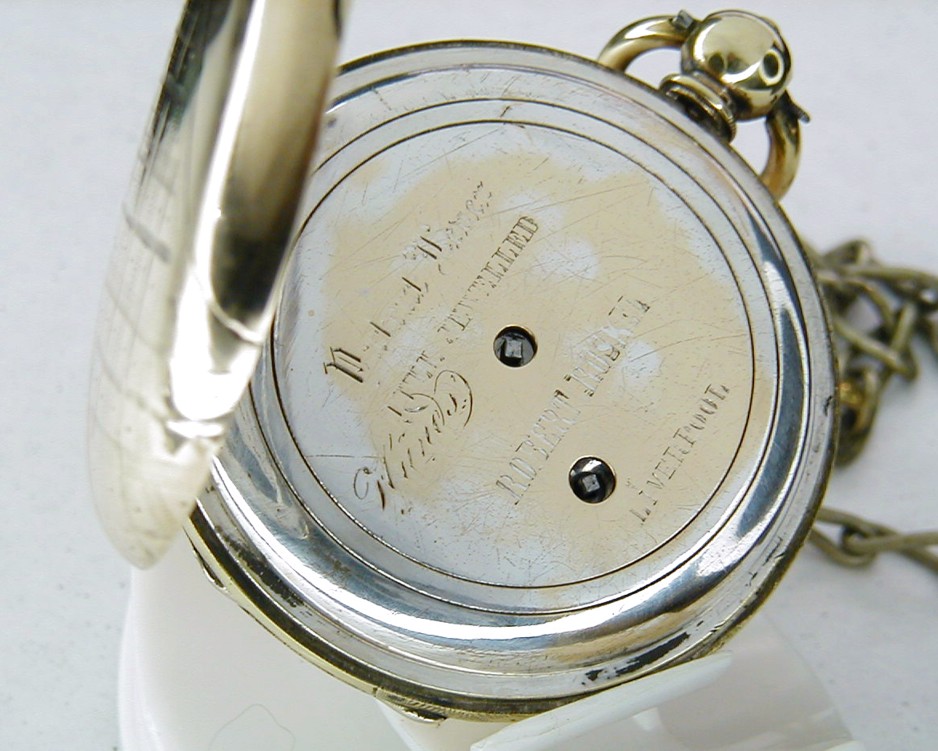
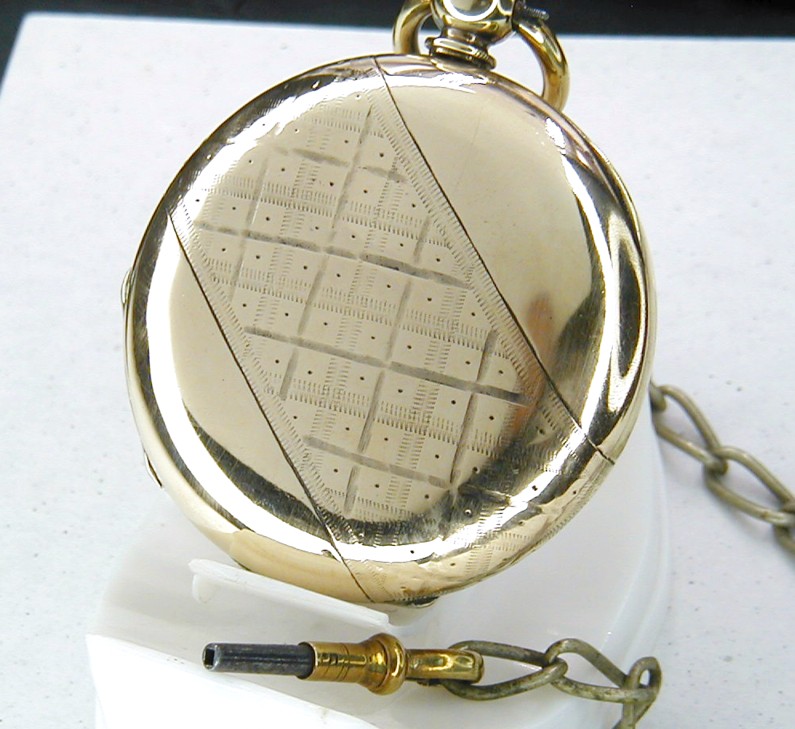
is a perfectly restored Robert Roskell pocket watch with a new main spring. This
is a brass with a sterling silver coat on the inside and signed Roskell for sure
as well it read "patent lever, Liverpool". Across this Roskell signed case is
58mm so it is an 18 size by American standards though thinner not thick.
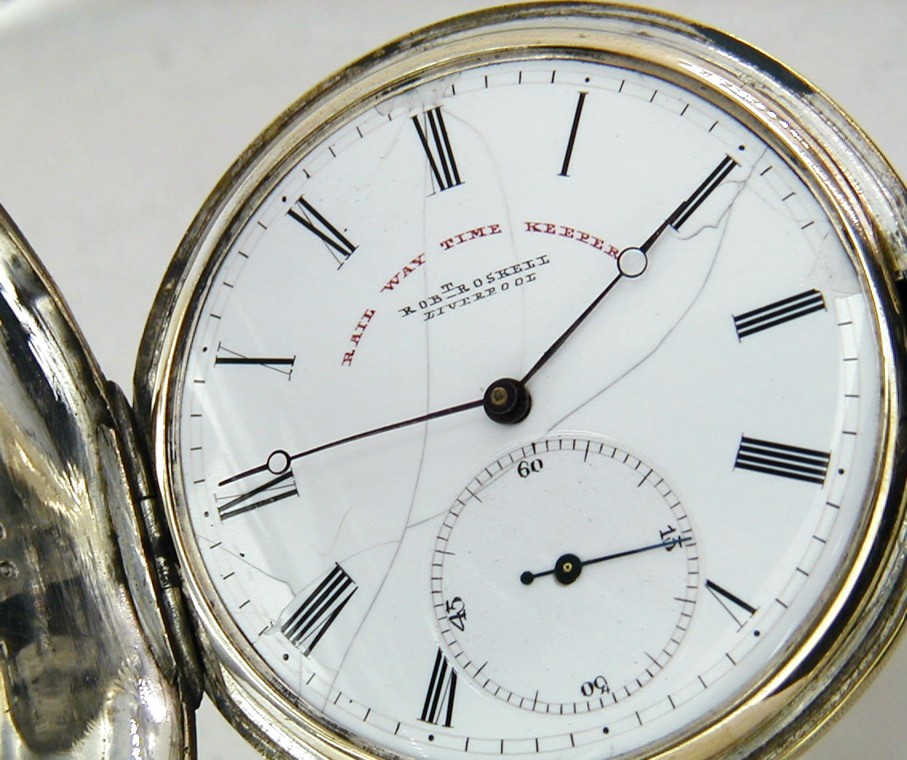
The dial as you can see has lines and it is enamel and original. The hands
are original and the crystal is glass and not a flaw. This is a 15 clean and
inspected jewelled cylinder movement and again cleaned the proper war way. The
serial number for this movement is on the case and it is 12,659 which tells me
this Roskell pocket watch was produced in the year 1890. Now for the good part.
Believe it or not this was used on the rail systems in the UK and Scotland in
this era and Robert Roskell produced not many of these for the conductors. This
is a key wind and a key set model and the lid flips open as it is a hunter
model.
500.00 USD
 |
 |
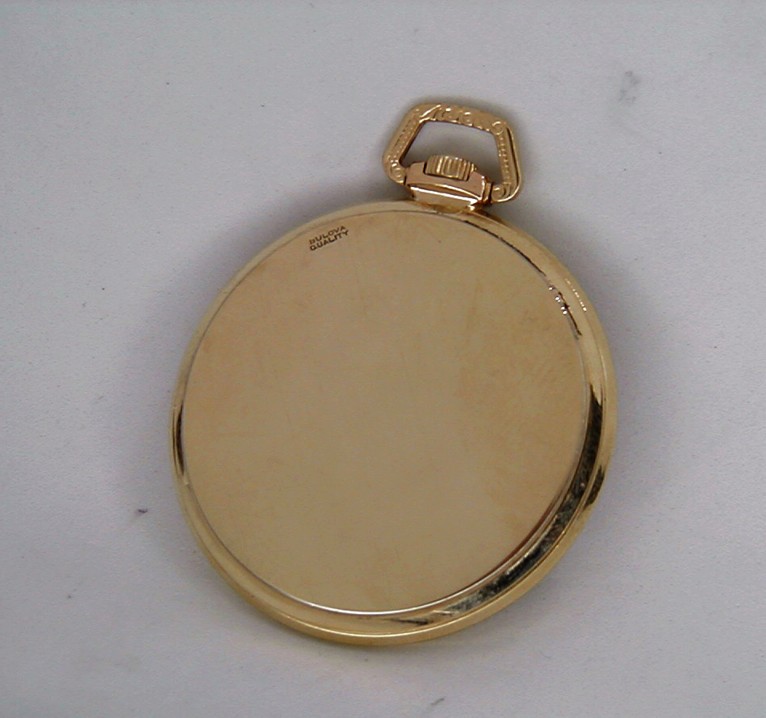
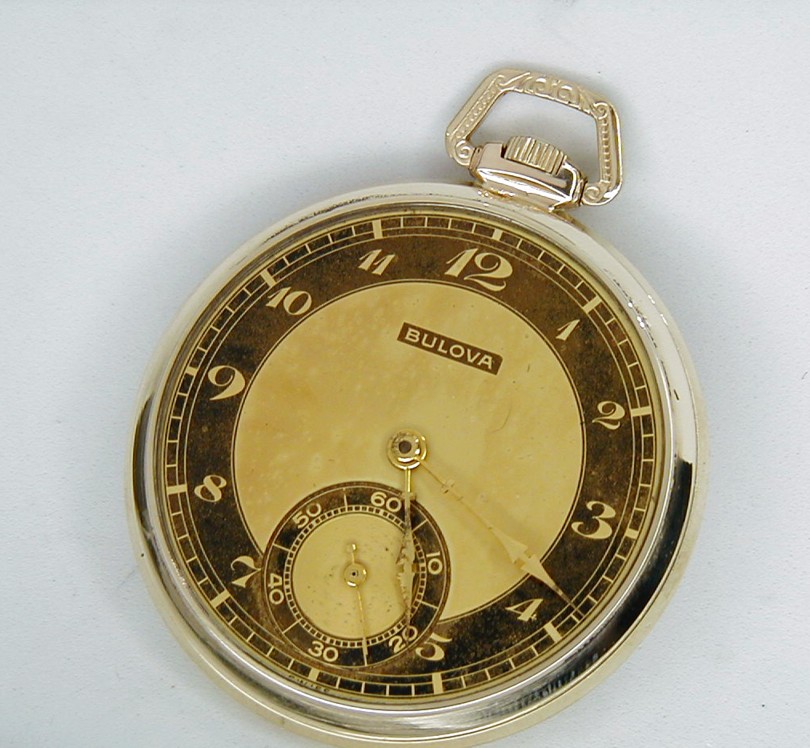
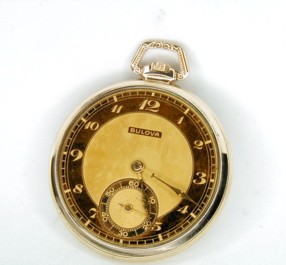
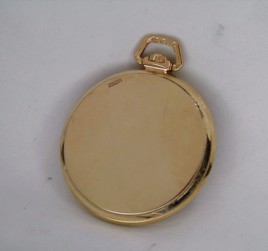
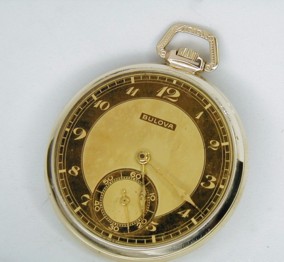
BULOVA BEAUTIFUL 2 TONE DIAL GOLD
FILLED BULOVA SIGNED SLIM CASE WELL SERVICED 1940
STOCK NUMBER # BULOVA1-4------Just simply a beautiful
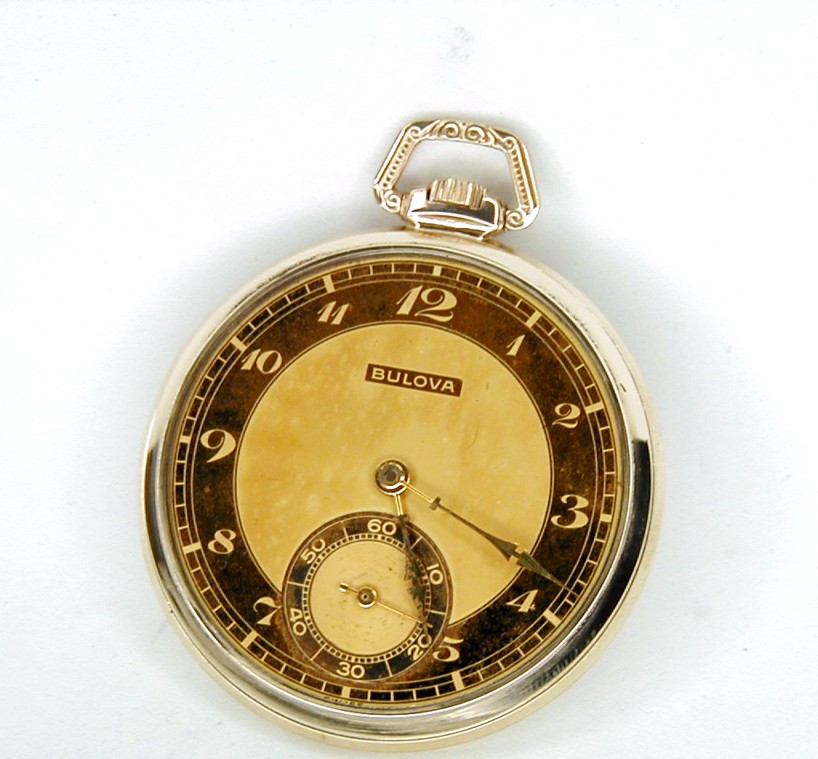
art-deco feel Bulova pocket watch from the year 1940 and clean as can be as it
was serviced the proper way so expect an excellent time keeper indeed. Across
this 3 piece gold filled case is 45mm and signed on the inside "Bulova quality"
with the serial 0,016,987. The dial has a nice patina to it and the hands are
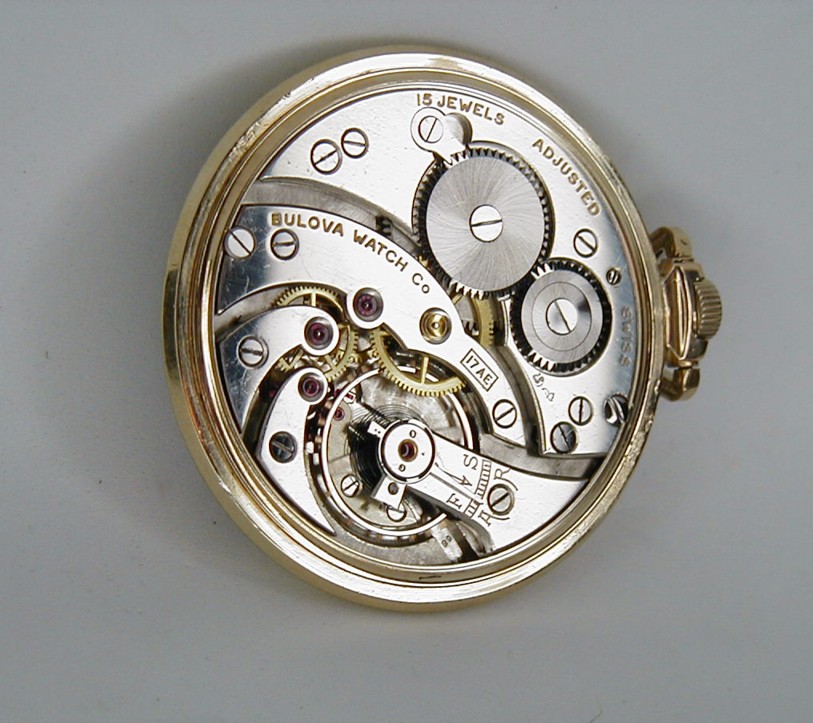
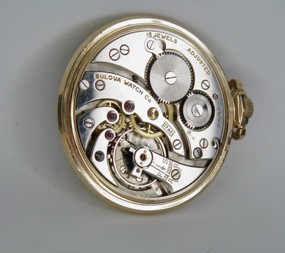
fancy original pieces. The crystal is glass not a flaw. This is a 10 size
movement by American standards and it is a Bulova caliber 17AE with 15 clean and
inspected jewels. The main spring has been changed and a few winds of the crown
and off it goes to keeps accurate time indeed :-)
400.00 USD
|
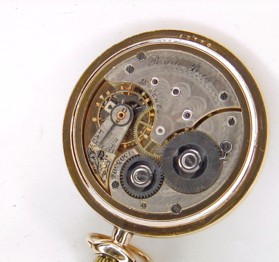 |
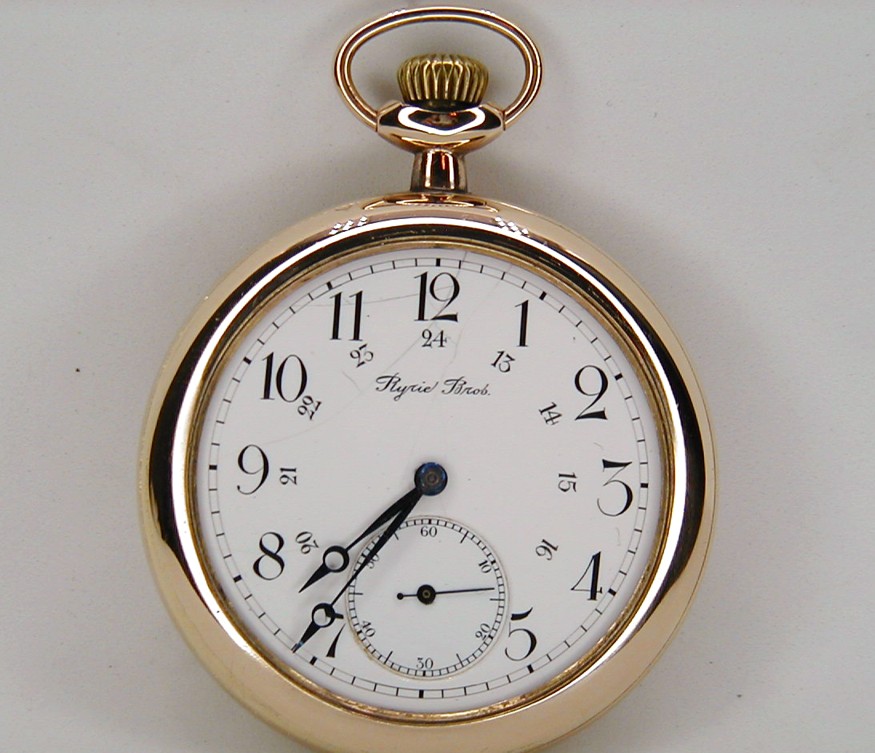
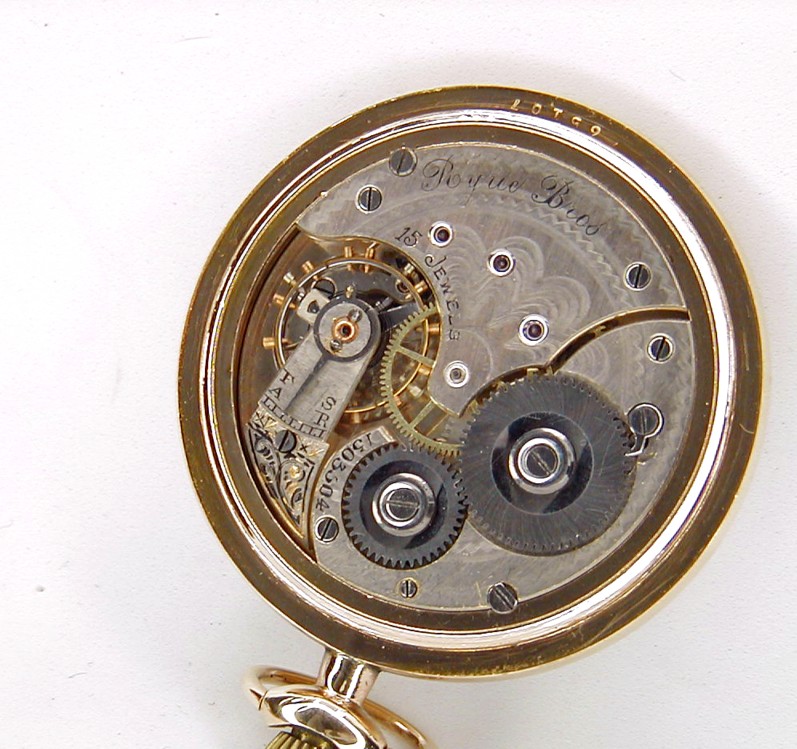
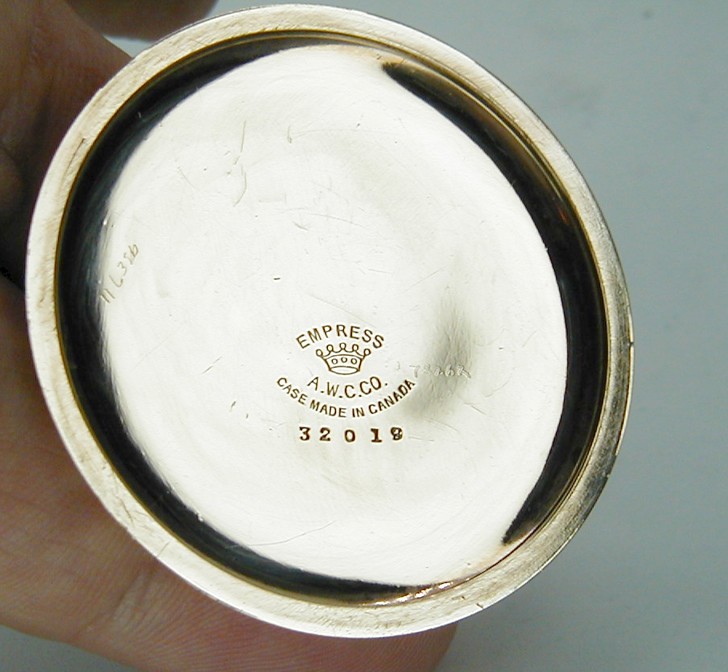
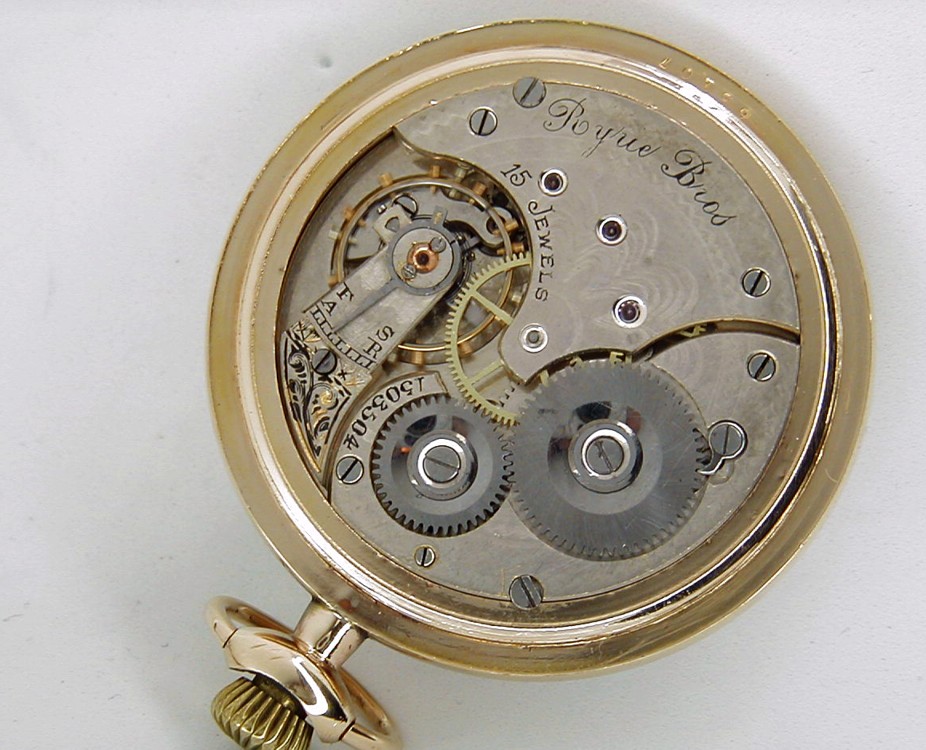
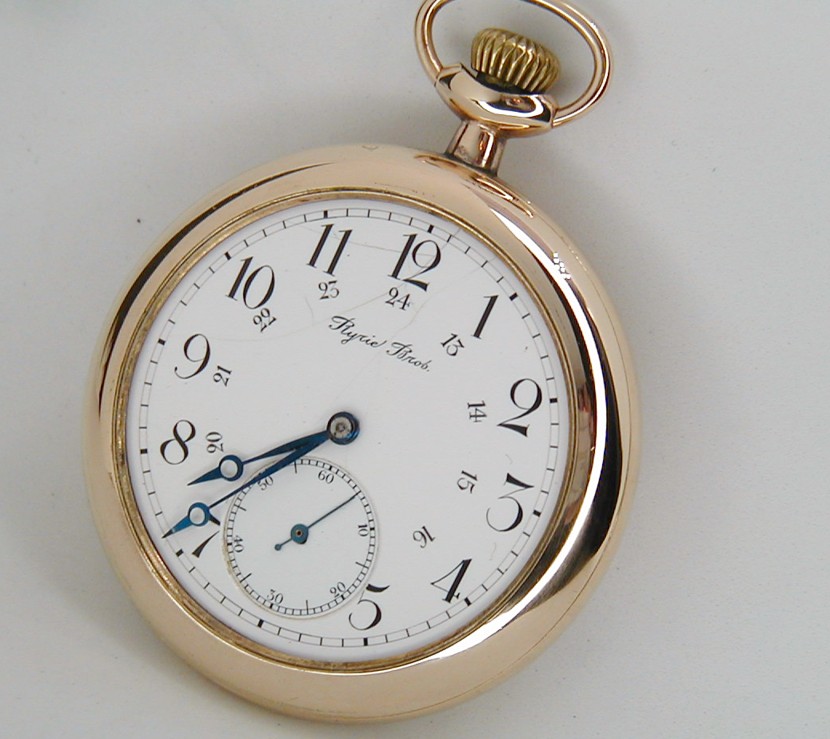
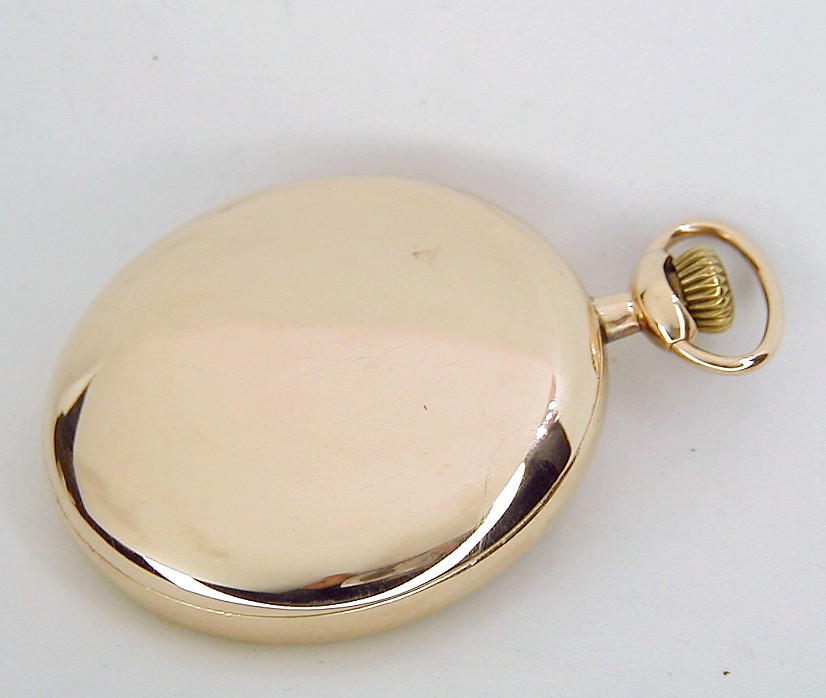
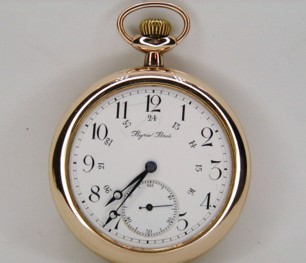
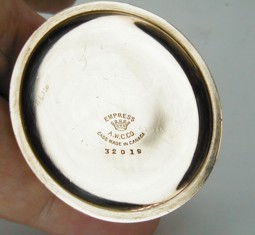
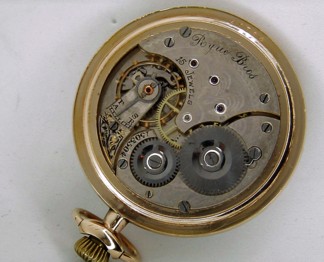
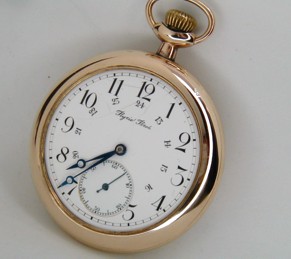
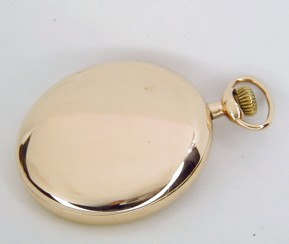
OMEGA 10 SIZE "RYRIE BROTHERS" 15 JEWELS WELL SERVICED
GF CASE 24 HOUR ENAMEL CANADIAN DIAL 1900
STOCK NUMBER # OMEGA4950-4------This is a super clean gold filled case and
it is a 10 size so across it is 47mm so it is a slim elegant size that can be
carried in a vest or pants pocket with ease. The case is signed "Empress,
A.W.C.Co, " ,"Case made in Canada" and the serial number is 32,013. The back of
this case case is near perfect condition with a mirror finish and no personal
engravings at all. The dial is signed "Ryrie Bros" which is the
precursor of "Birks" dept stores here in Canada. This is an enamel 24 hour
Canadian dial and with a few lines though original and not bad at all. The
movement has been serviced properly and with a new mainspring. This is a 10 size
Omega in house Swiss made movement and there are 15 clean and inspected jewels.
The serial number for this movement is 1,503,504 which places this early pocket
watch to the year 1900 yes over 113 years of age and runs like a railroad grade
pocket watch.
500.00 USD
|

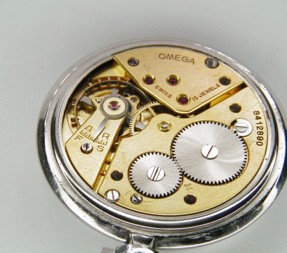 |
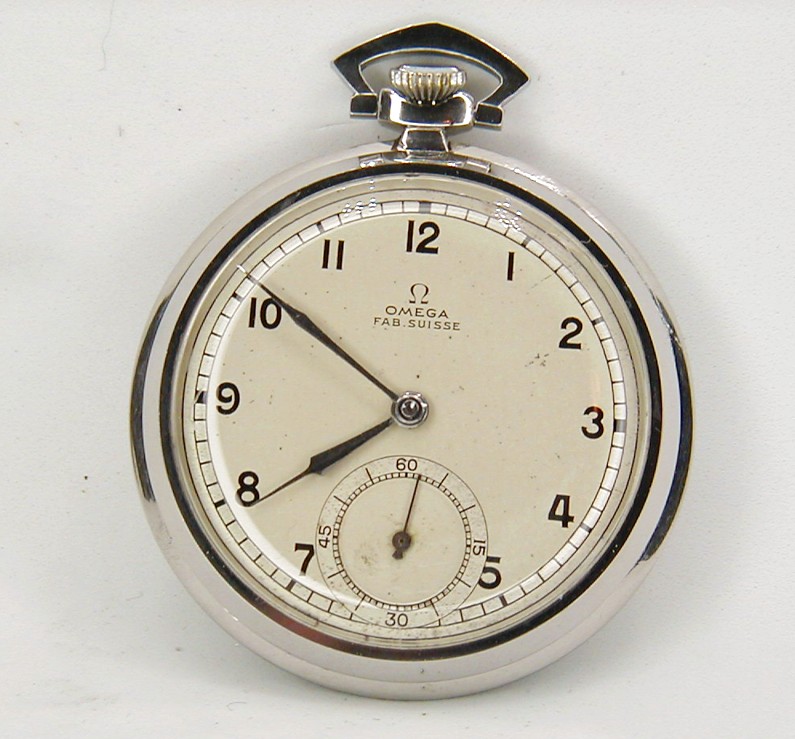
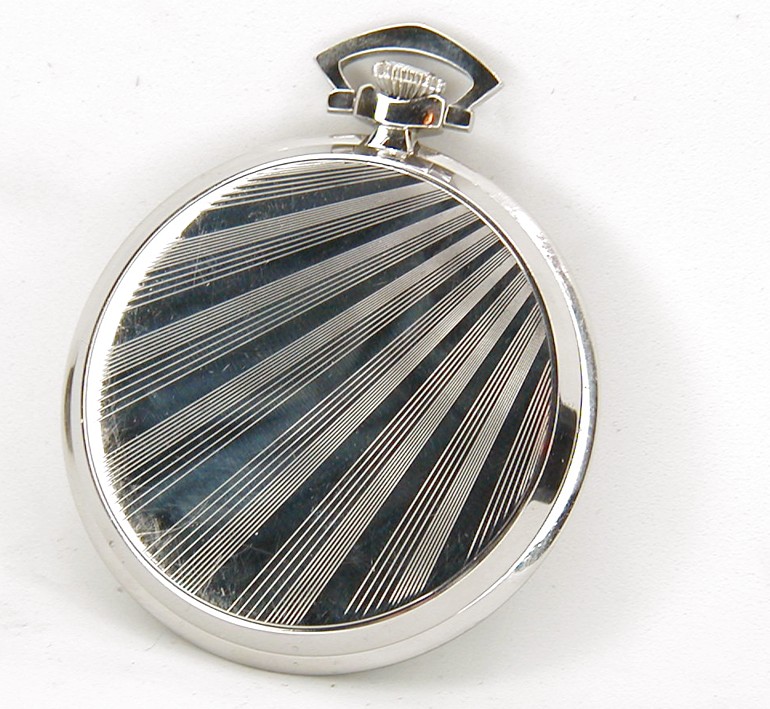
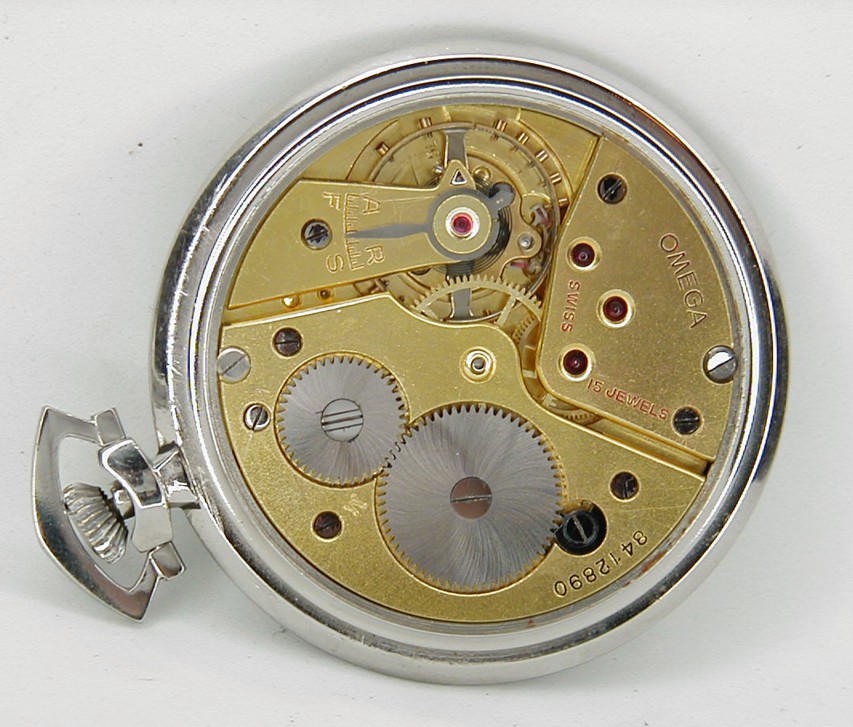
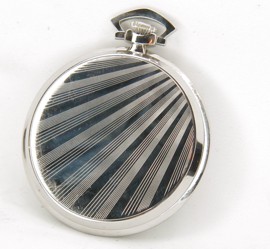
OMEGA STAINLESS STEEL ART DECO CASE 12 SIZE ALL ORIGINAL DIAL AND MOVEMENT WELL SERVCIED
1937
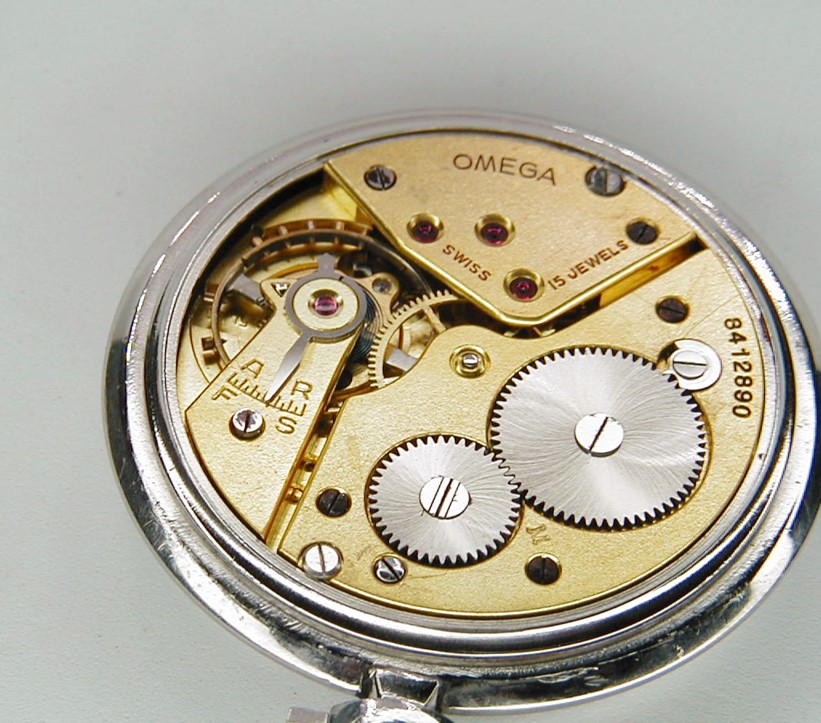
STOCK NUMBER # OMEGA4830-4------As clean as can be is this
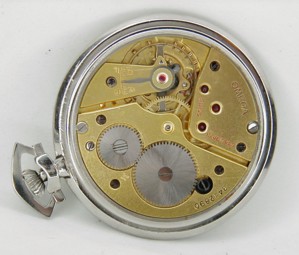
art-deco Omega 12 size movement with 15 clean and inspected jewels. Please
notice on the movement train bridge the letters are in red less the name
"Omega", interesting as I have never seen this before in 30 years as a certified
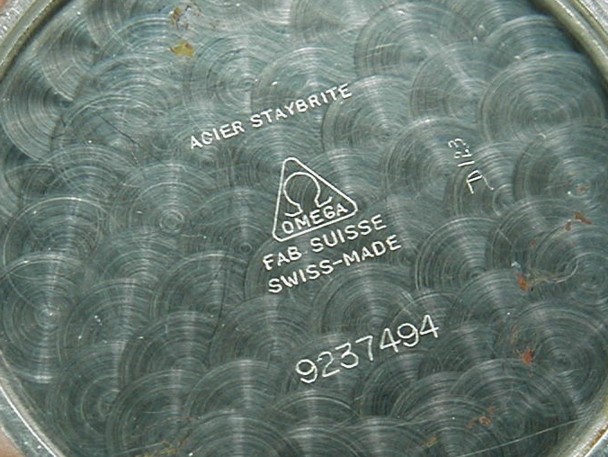
watchmaker. Across this stainless steel 3 piece case is 48mm and the crystal is
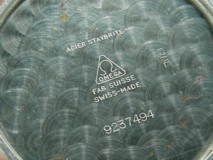
glass not a flaw. The serial number for this Omega signed case is 9,237,494. The
dial is original and marked "Omega Fab. Suisse". The hands are correct and
stainless steel as well. The movement is an Omega manual wind 38.5L.T1 and there
are 15 clean and inspected jewels to this model. The serial number is 8,412,890
which tells me this Omega in house pocket watch was produced in the year 1937.
As clean as can be with a new main spring so with a few winds and off goes the
balance wheel to keeps excellent time indeed!
500.00 USD
 |
 |
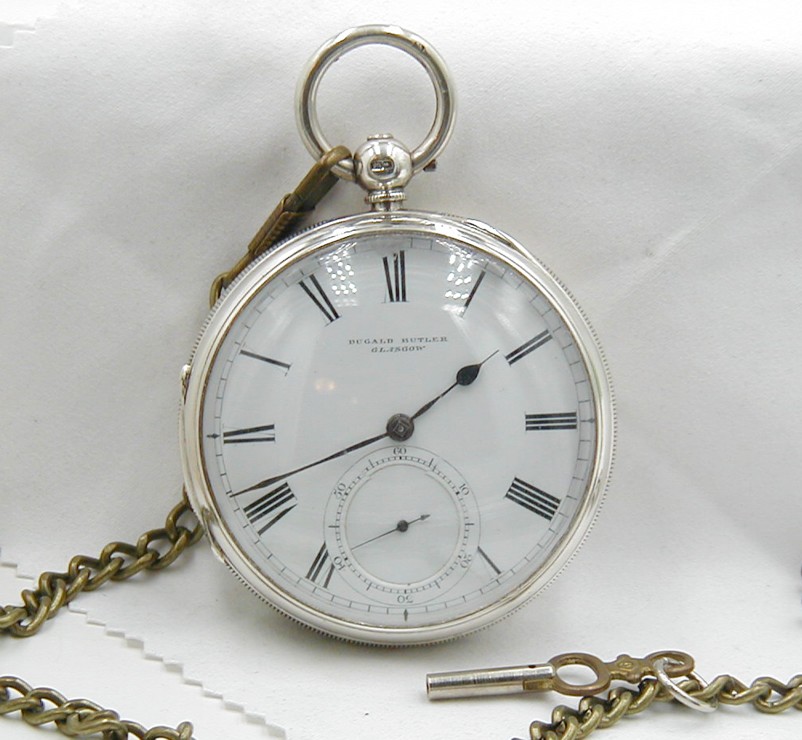
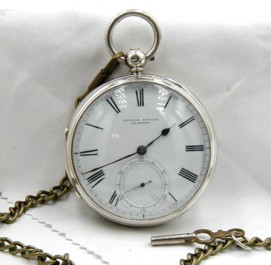
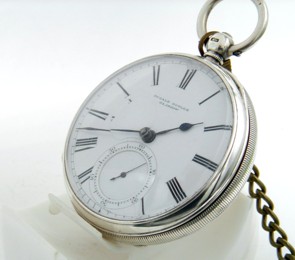
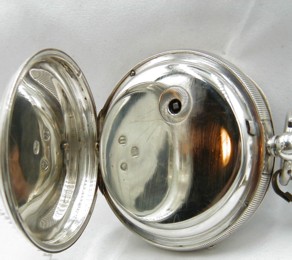
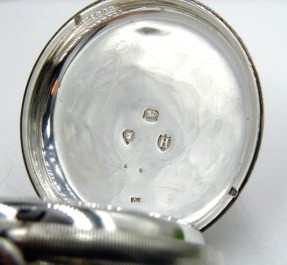
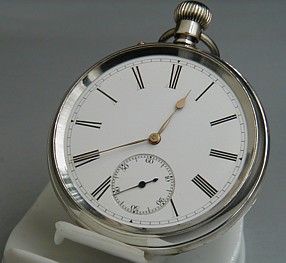
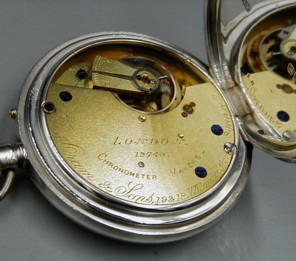
DUGLAD BUTLER " MATCHING MOVEMENT AND CASE SERIAL NUMBERS !!!!" CHAIN
FUSEE STERLING SILVER HALLMARKED CASE MUSEUM CONDITION !!! 1883
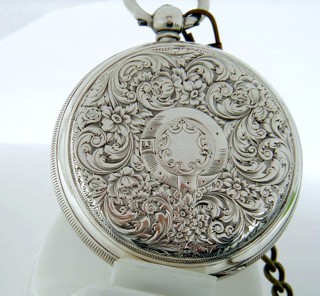
STOCK NUMBER # DUGALD300-4------If condition is everything to you then this
is the serviced pocket watch for you. Just look at the all over
condition...crisp! really a museum condition pocket watch indeed. Across the
British hallmarked case is 58mm so it is an 18 size by America standards or 2
1/4 inches. The crystal is glass and a true bulls eye piece. The hands are
original and the enamel dial is super clean with a repair at the 12 position at
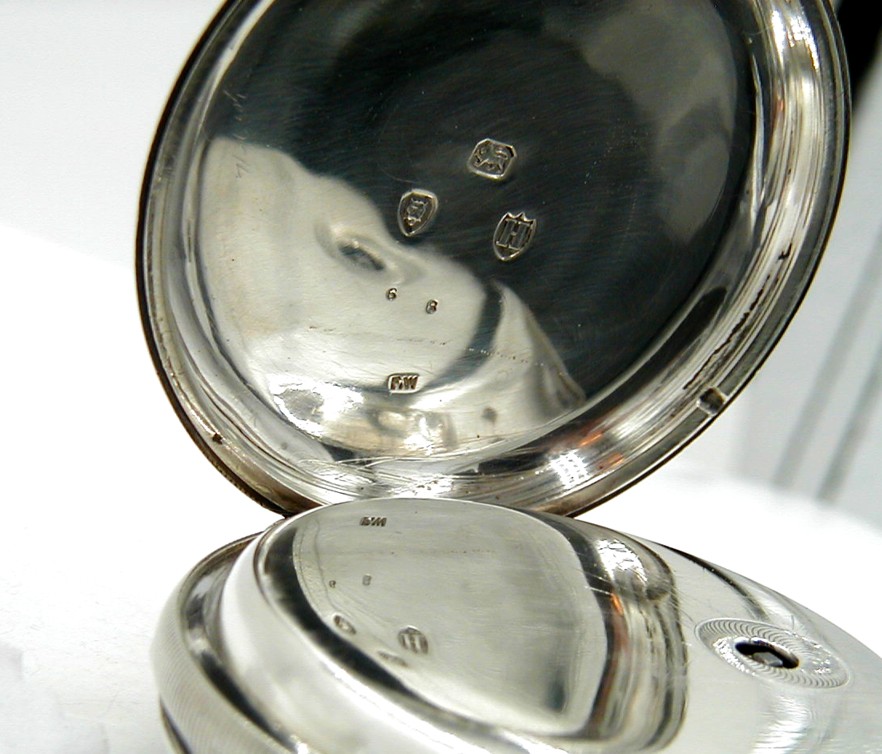
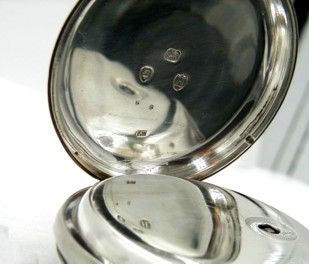
the top , hard to see but it is there and needs to be mentioned. The hallmarks
on this case tell me it is from 1883 and made in London England by the case
maker "AW". The case has a serial number and it is an early 2868. The movement
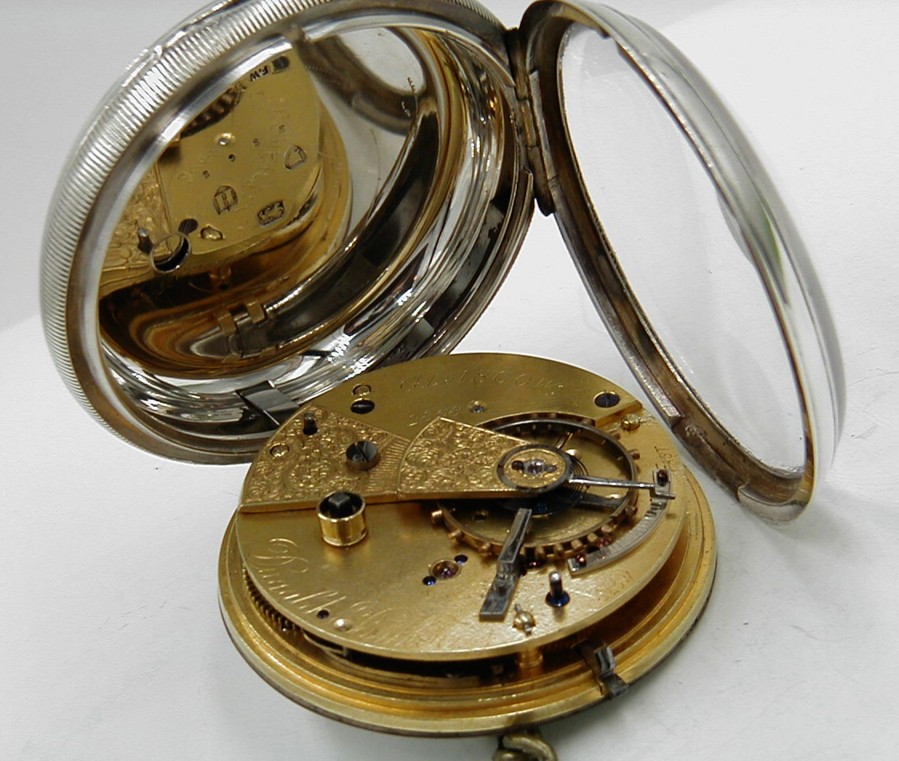
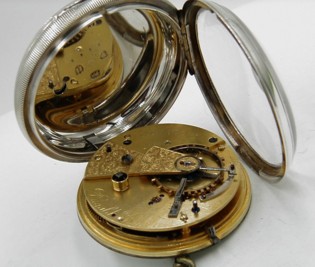
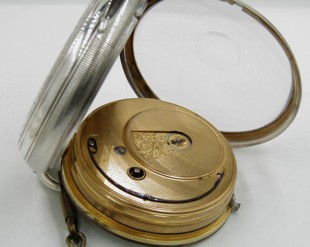
is signed Dugald Butler Glasgow Scotland. I have checked all the ruby jewels to
this chain driven fusee movement and all are in perfect order as well each and
every link has been checked on this chain. I have serviced this pocket watch
movement with T.L.C and the end result is a perfectly running fusee pocket
watch. The serial number for this gem is 2868 yes this is the same serial number
on this sterling silver case. As clean as can be and it is a key wind from the
back and key set from the front at the top of the minute hand.
850.00 USD
  |
 |
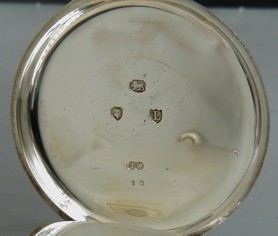
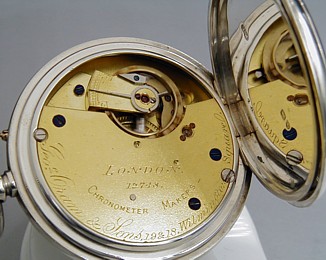
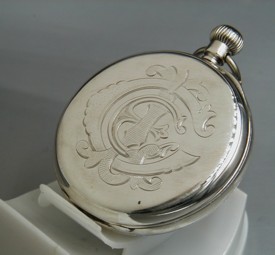
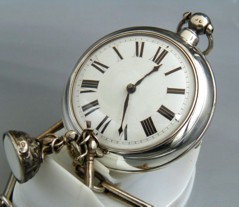
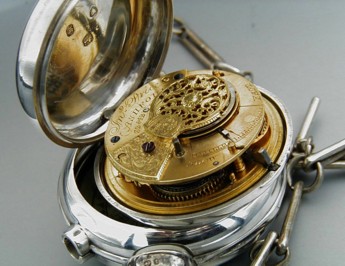
GEO CRAM & SONS (WILMINGTON SQ LONDON) CHRONOMETER MAKERS STERLING UK CASE
AWESOME ALL OVER CONDITION AND FRESHLY SERVCIED 1886
STOCK NUMBER # CRAM10-4------As clean as can be is this sterling silver case
Geo Cram and sons chronometer maker pocket watch. This is a perfectly hallmarked
case and with the London England markings which clearly tells me this piece is
from the year 1886. Across this case is 53mm so a wee bit bigger than an
American 16 size pocket watch. The serial number for this case is 48. The dial
is enamel and flawless yes it is perfect enamel and not a line not a crack 100%
mint from the year 1886? incredible isn't it thus it is original and
gorgeous! The hands are solid gold prob 9 karat English gold. The crystal is
glass and not a flaw. This is a crown wind and pin set movement and keeps
amazing time for sure as it has been serviced the proper way with an inspection
of all parts before they go into my cleaning process then inspected once again
after they are cleaned and dry. There are 13 clean and inspected jewels and
forth wheel is in a screw down solid gold jewel setting. The serial number for
this chronometer pocket watch movement is 12,748. I can also tell you the mean
timing screws on the balance wheel are solid gold and large. I will end by
saying this piece is a collectors dream as the condition in my opinion
9 out of 10.
600.00 USD
   |
|
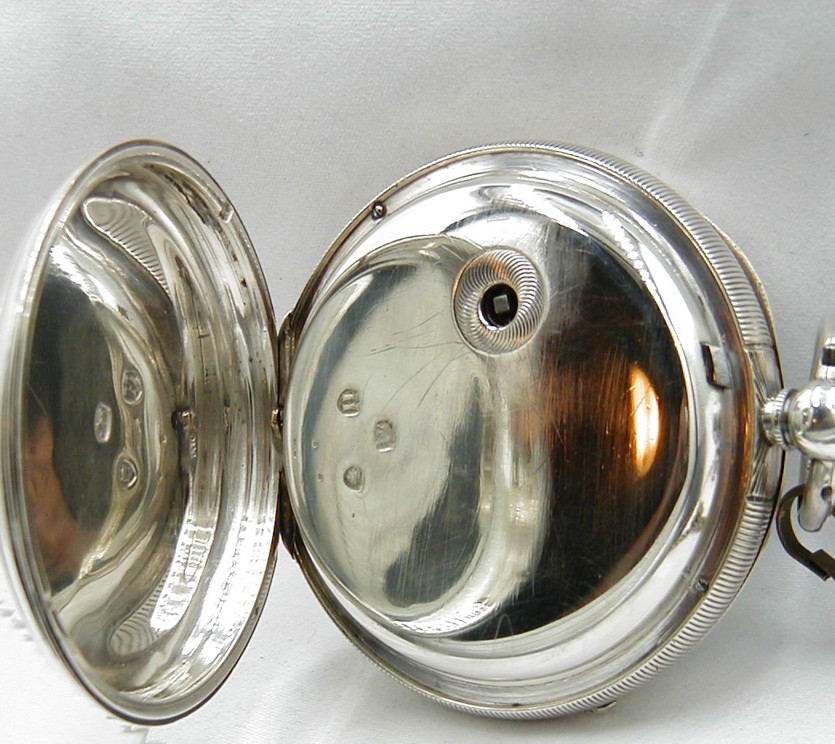
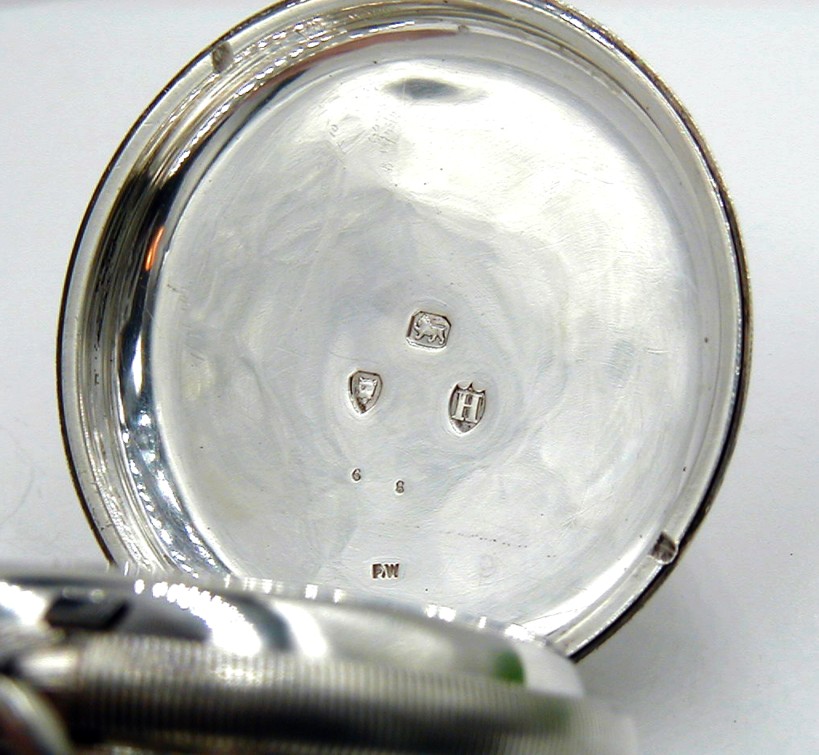
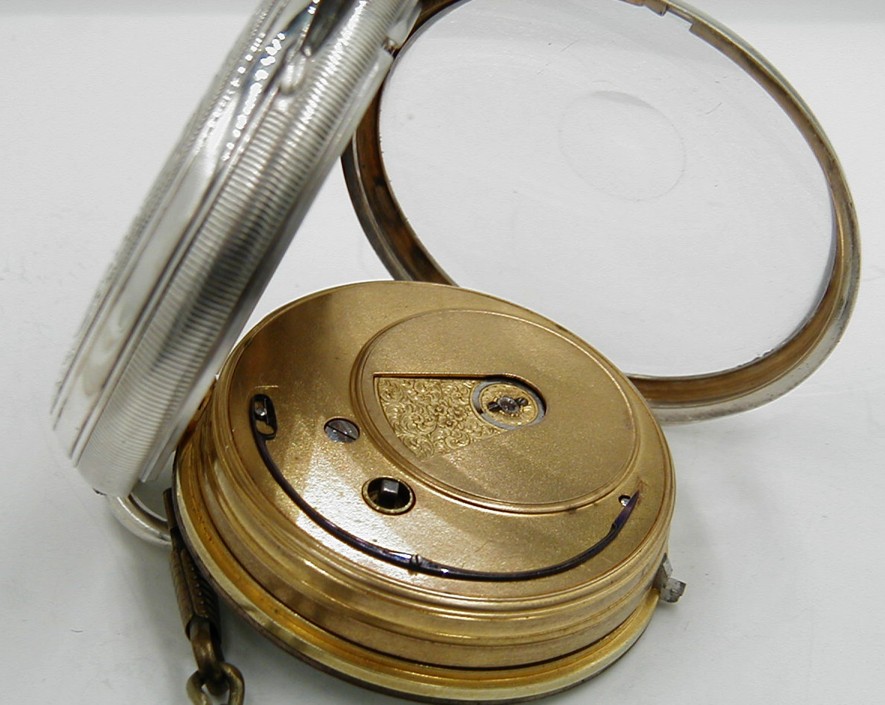
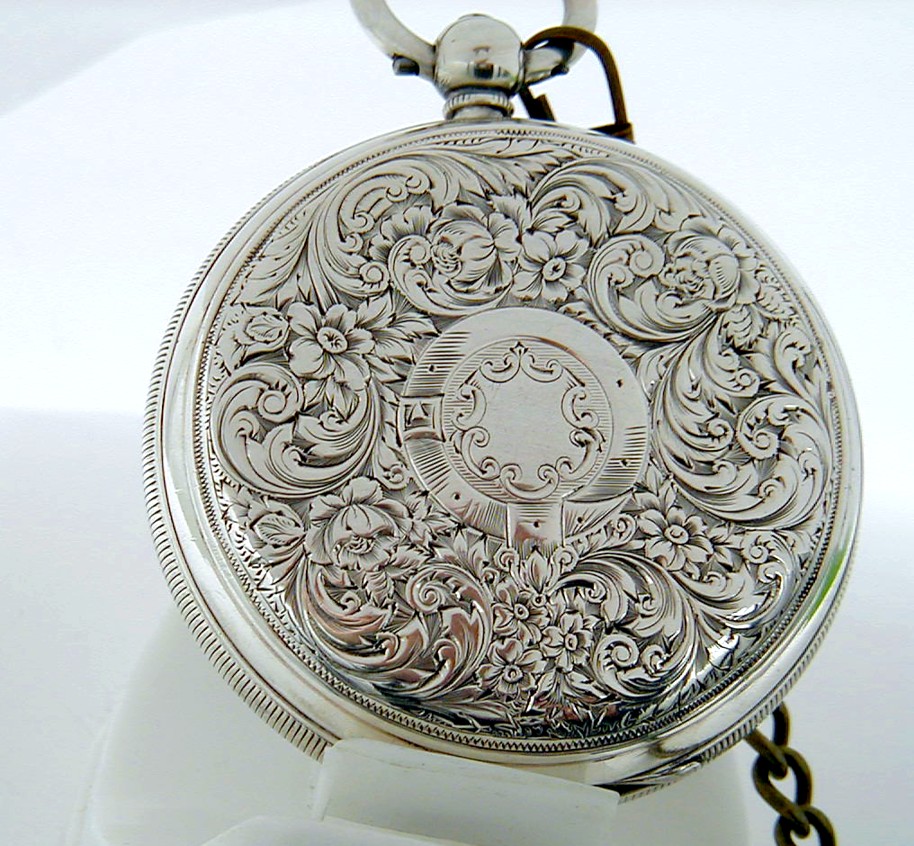
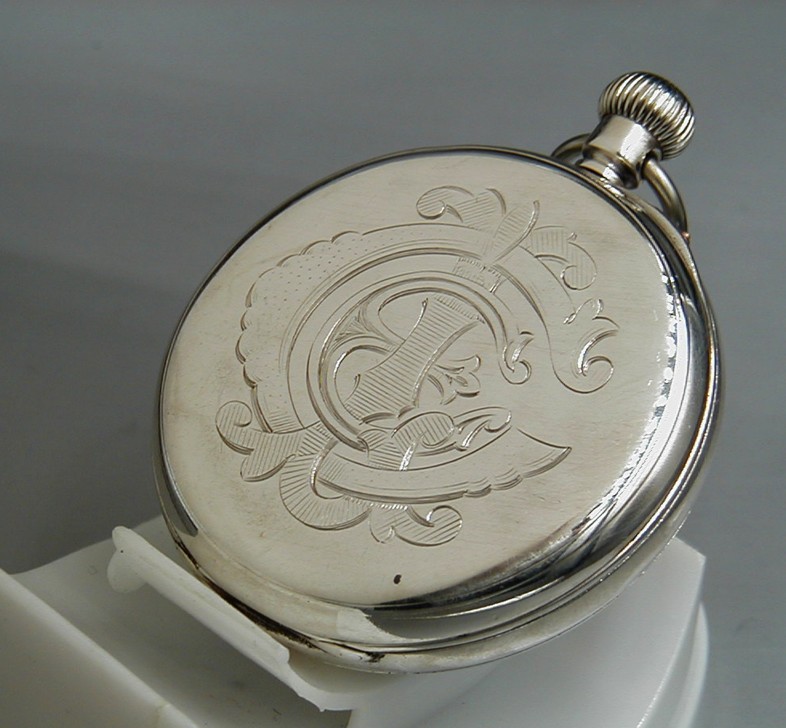
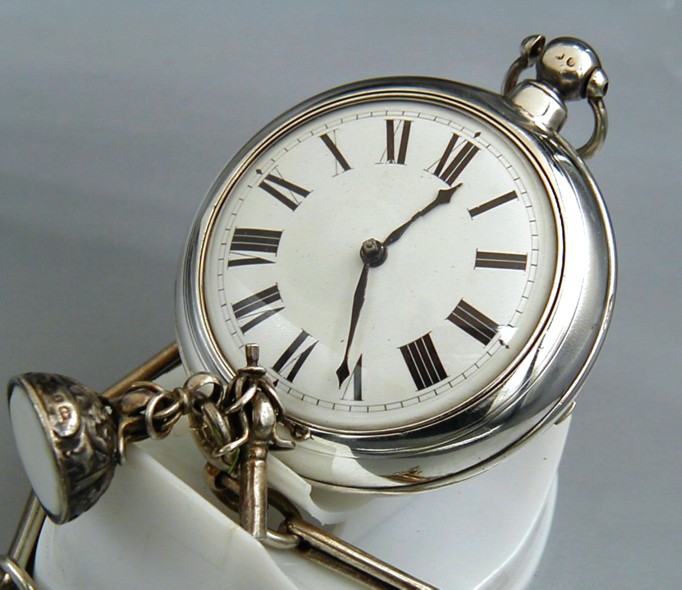
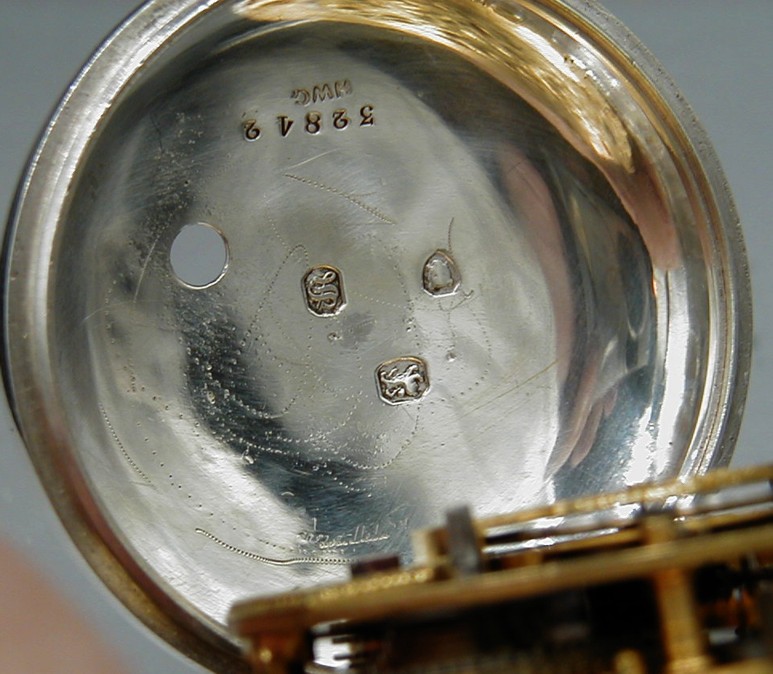
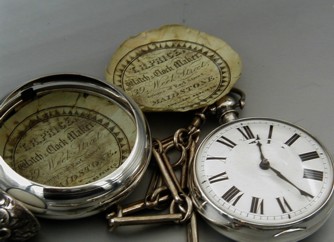
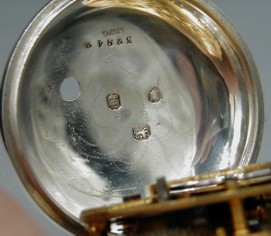
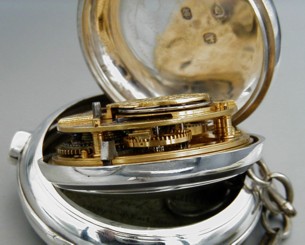
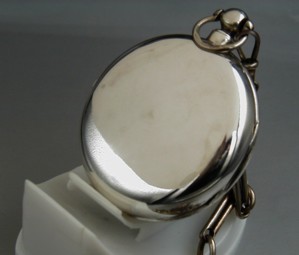
M. PRICE CHAIN FUSEE ENGLISH STERLING SILVER CASE IN
CASE IMPECCABLY SERVICED HEAVY SILVER HALLMARKED CHAIN AND FOB 1853
STOCK NUMBER # PRICE10------As clean as can be and serviced the roper way
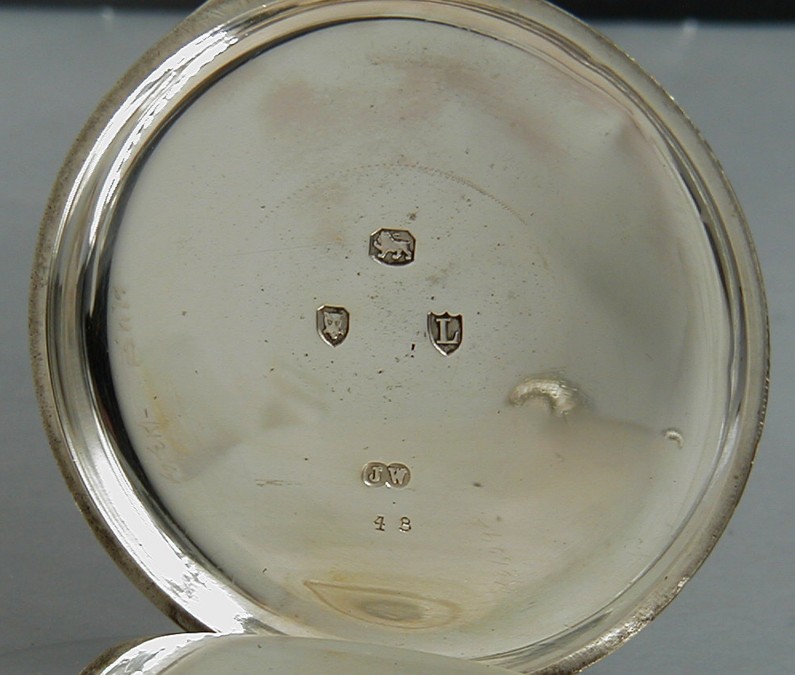
with never a short cut taken. This is a case in case hallmarked properly
sterling silver from London England. Across the larger case is 58mm and the
inner silver case is 50mm. The bulls-eye crystal is perfect and glass for sure.
The hallmarks on both case indicated this sterling silver case was produce din
the year 1853 and London once again. This is a fusee chain driven early pocket
watch and signed "N.Price, Ashford" and the serial number is 32,842. Ashford is
in the township of Kent and aprox 200 km south east of London England. I have
inspected every piece, cog ,wheel, pivots etc before I put this movement into my
cleaning process and after cleaned I inspected each piece again. With the proper
lubricants when assembled and the key turned over the mainspring to the chain
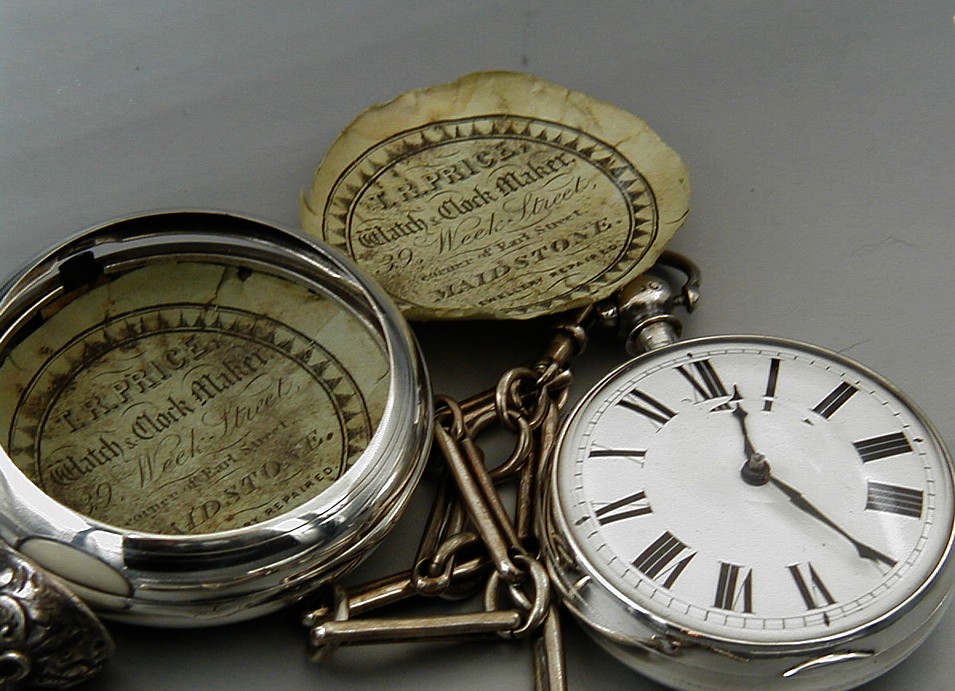
this fusee movement took off in a perfect motion! Notice the two onion watch
papers, on the back of both of them written in Plume pen (Feather) one has the
date of "15, 3, 1893" and the other "26-9-98" way too cool and please notice the
papers are signed by his son T.R Price "Master watch and clock maker, 39 Week St,
Maidstone". This one has it all and works like a charm. If your not familiar
with chain driven pocket watches they were never accurate but the modern
computer of the day and make with T.L.C indeed. notice as well both case numbers
match the movement serial number so you now this I an original piece made by a
master watchmaker back in 1853!
1350.00 USD
|
|
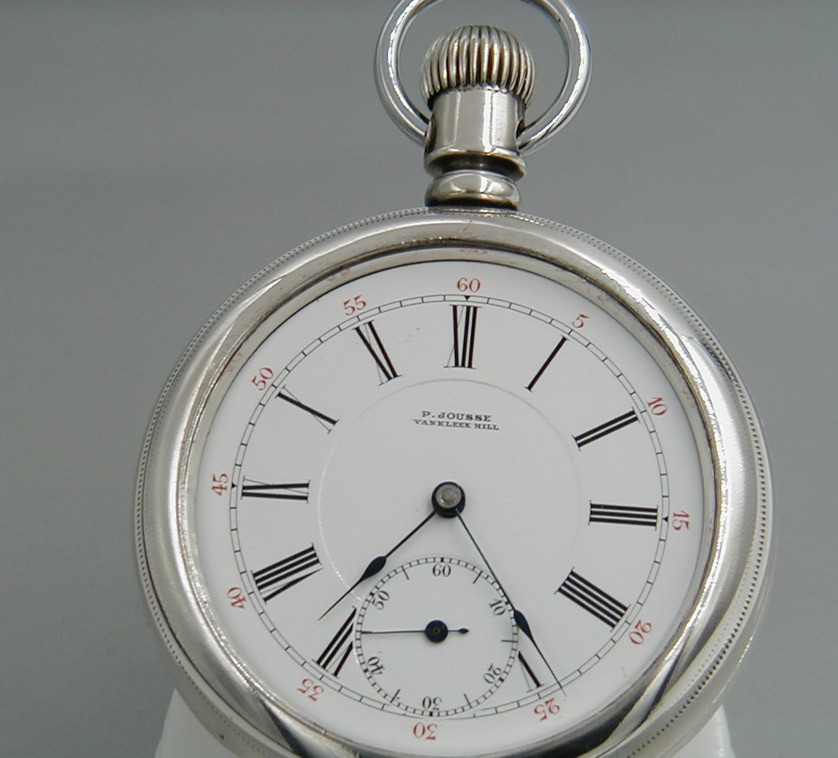
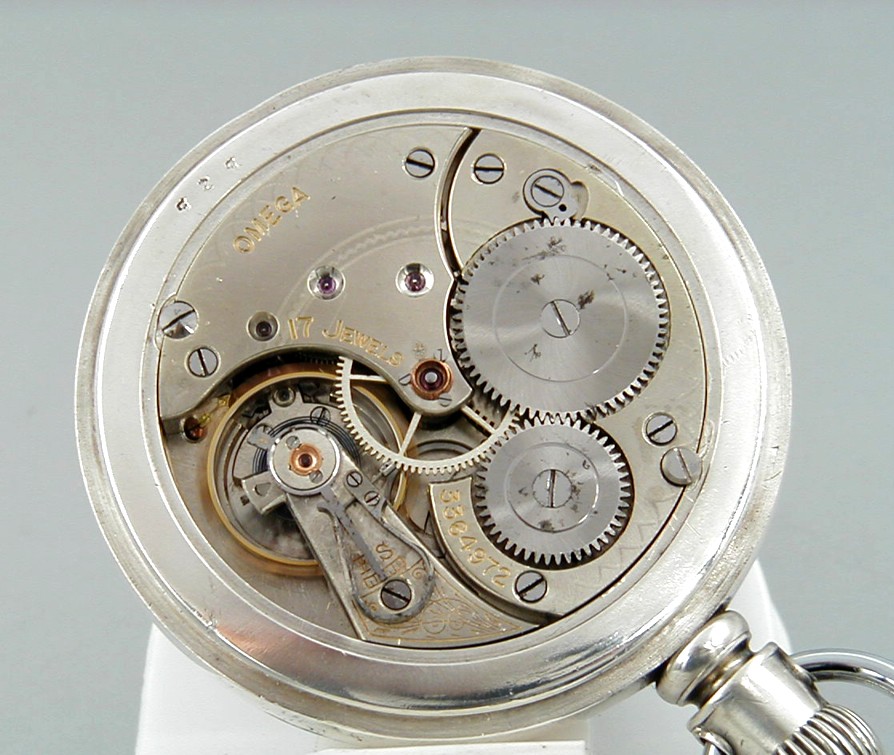
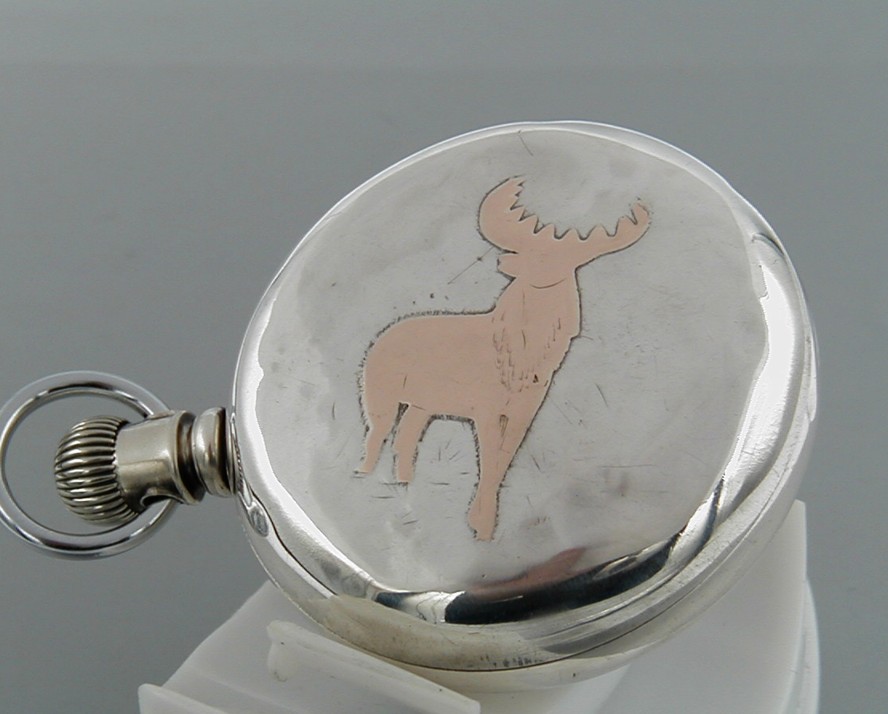
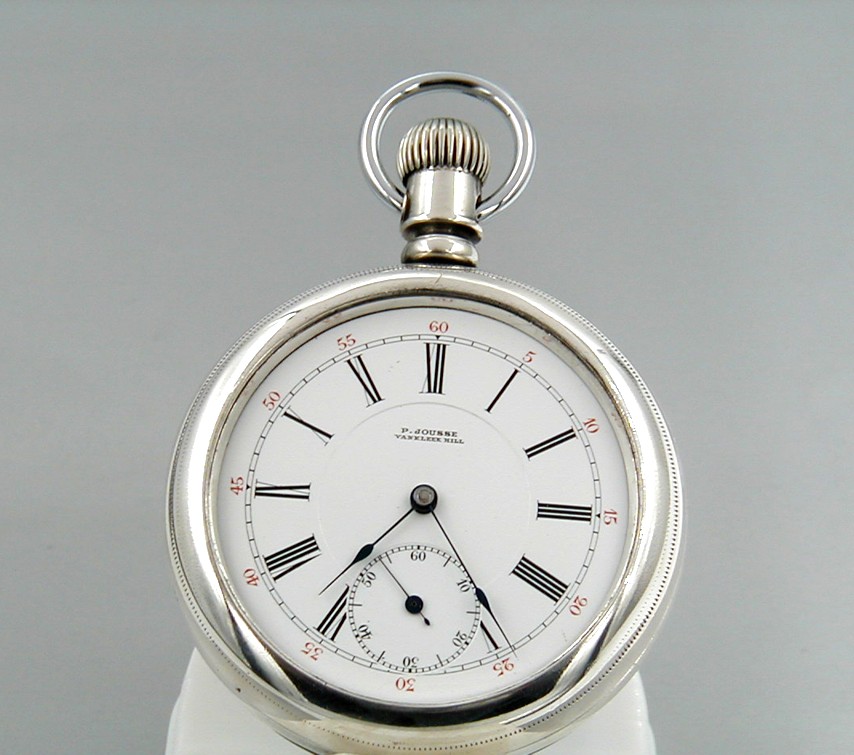
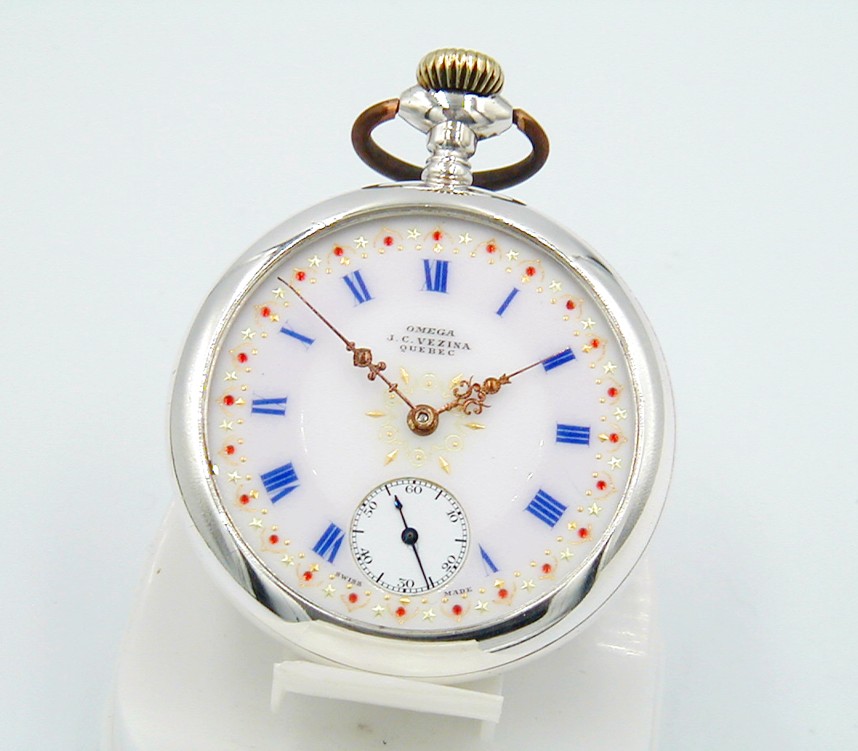
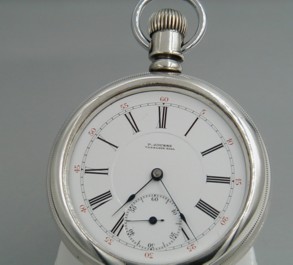
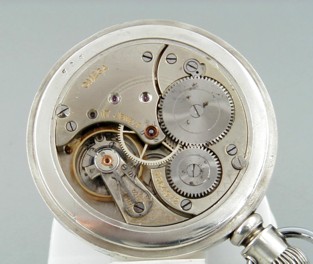
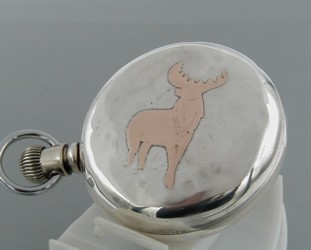
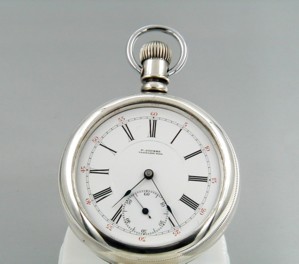
OMEGA PRIVATE NAME ENAMEL DIAL 18 SIZE STEM WIND AND
SET COIN SILVER CASE WITH GOLD DEER WELL SERVCIED 1910
STOCK NUMBER # OMEGA4170-------Quite large is this coin silver cased Omega
high grade pocket watch (coin silver =.800 or 80% pure silver mixed with Nickel
or Zinc). This is a double sunk enamel dial and it has a private name attached
as it reads P Jousse Vankleek Hill which is in Ontario Canada minutes form the
Québec border and 45 minutes from Canada's capital the city of Ottawa. The
enamel dial is nearly flawless and the thin spade blue hands are original though
I did replace the crystal and it is glass not a flaw. The case is marked and
tested for Coin silver and signed "Nevada Coin" with the serial number 160,525.
The movement is an 18 size stem wind and stem set model with 17 clean and
inspected jewels. The movement serial number is 3,364,972 which tells me this
Swiss made in house Omega pocket watch was produced in the year 1910. This piece
really is as clean as it looks and keeps great time for sure.
500.00 USD
|
 |
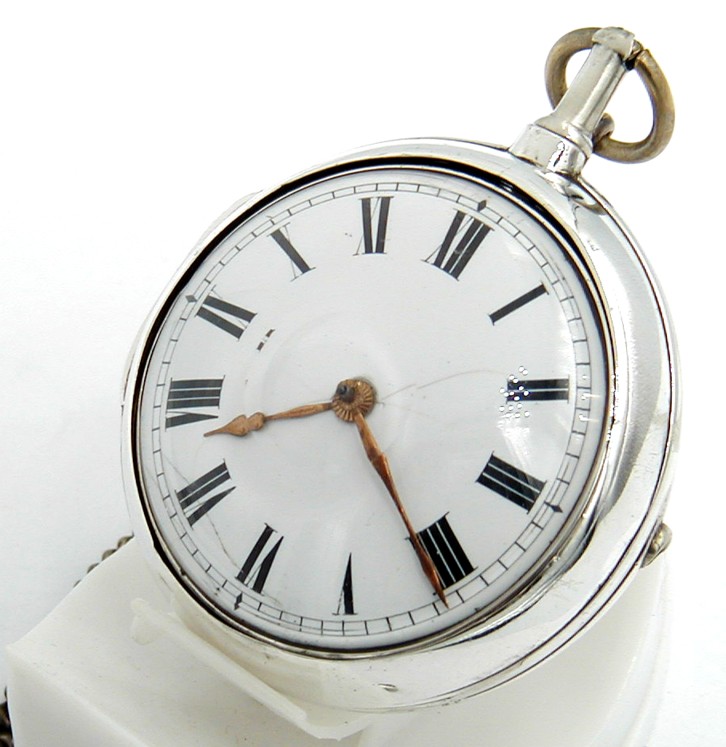
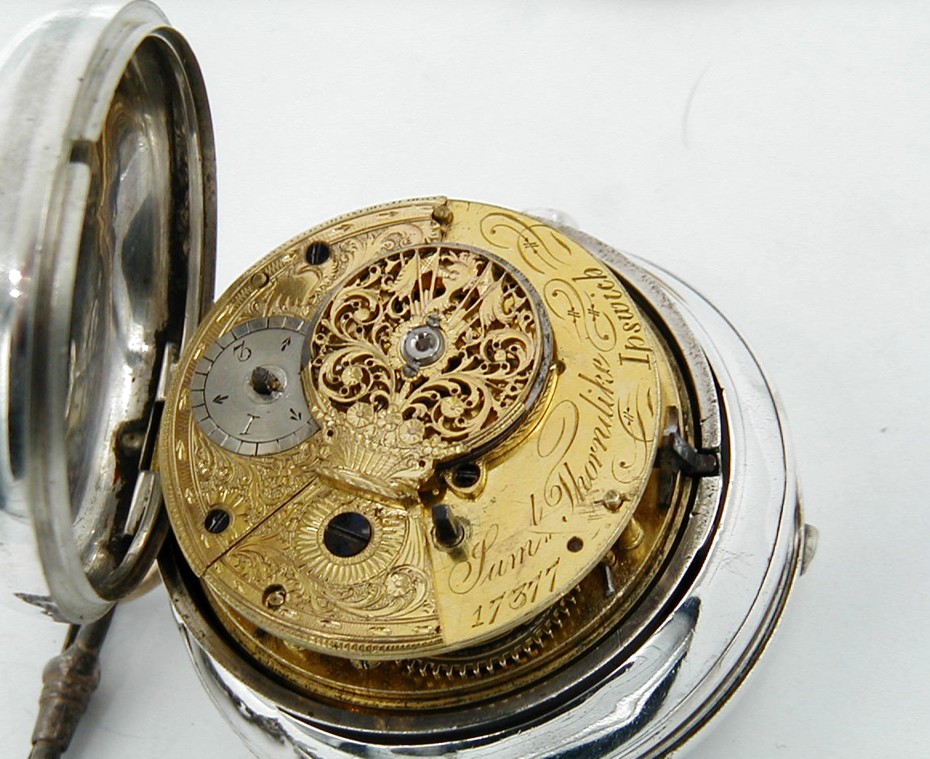
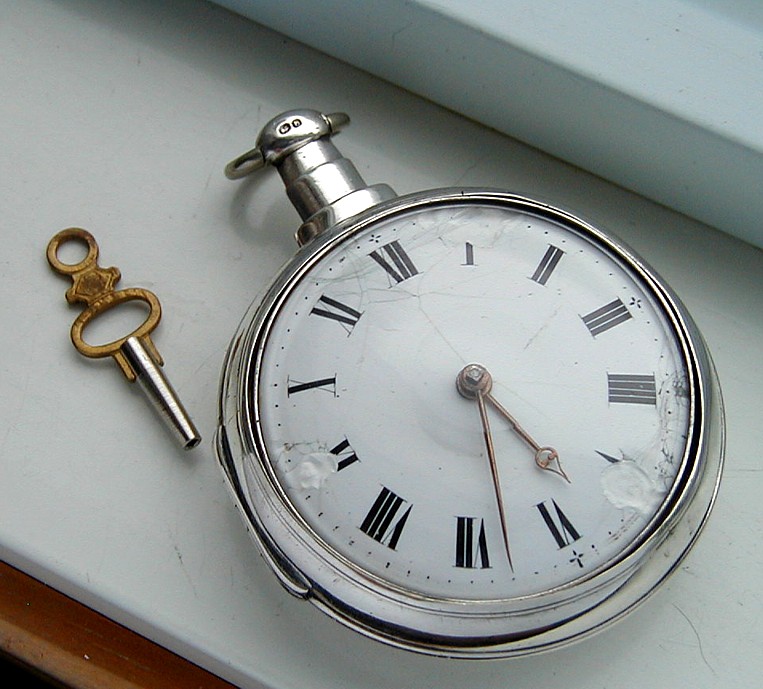
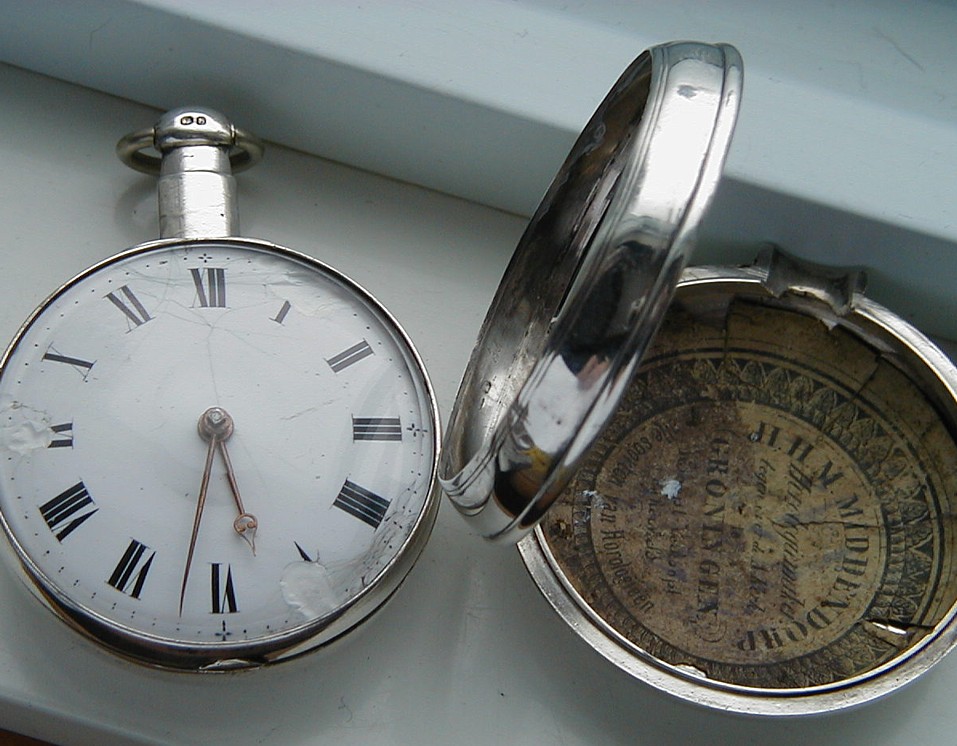
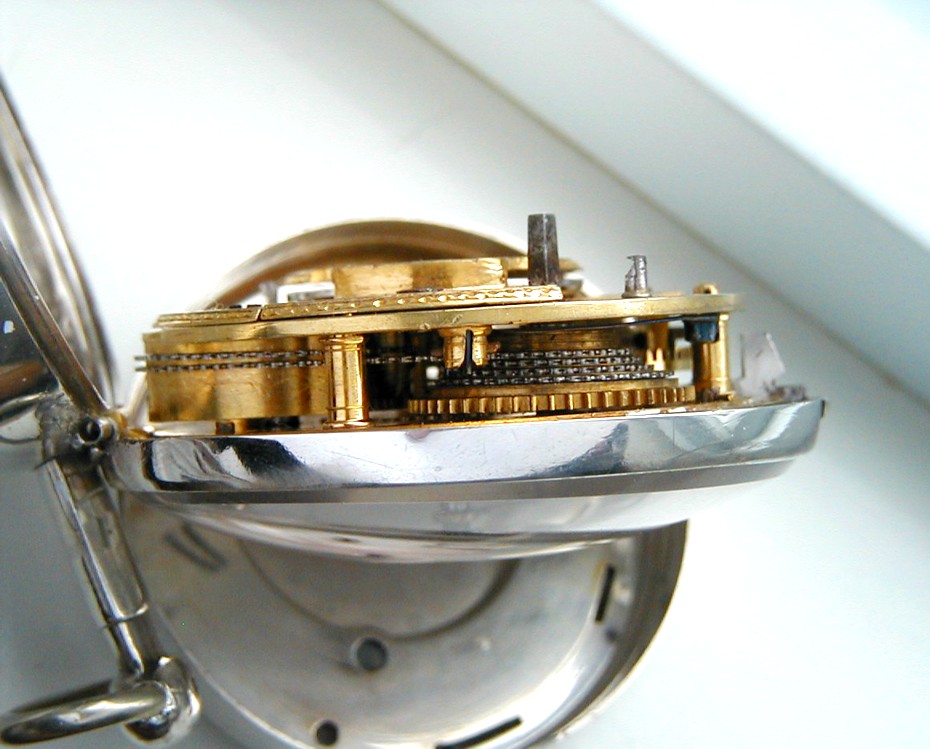
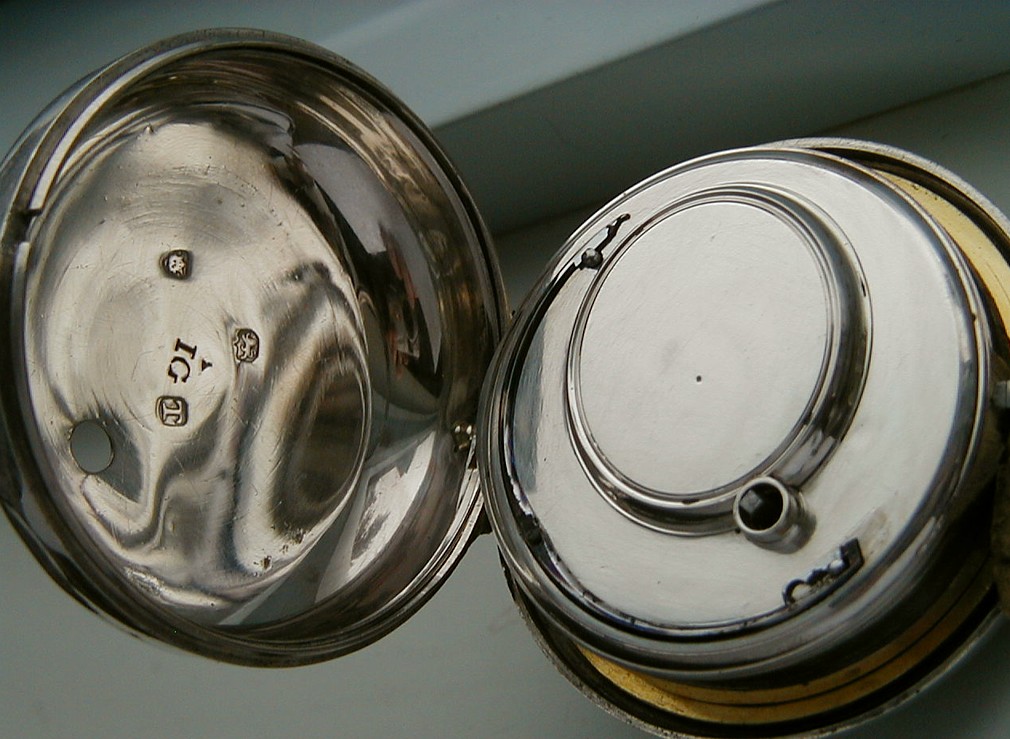
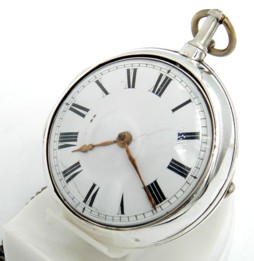
SAM THORNDIKE (IPSWICH) FUSEE CASE IN CASE STERLING
SILVER MUSEUM CONDITION PERFECTLY SERVCIED! 1856
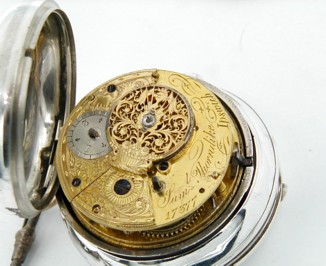
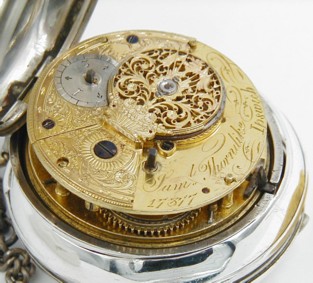
STOCK NUMBER # SAM100-4------This is a perfectly large chain fusee movement
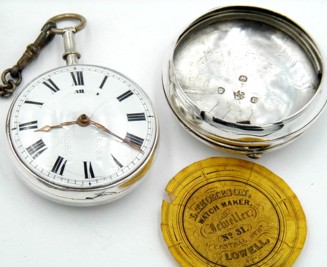
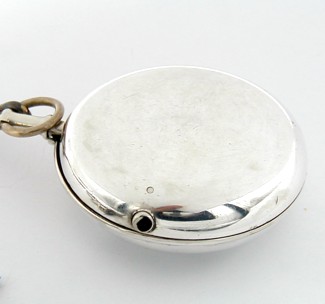
but Samuel Thorndike Ipswich UK. Across this sterling silver outer case is 60mm
and the inner sterling silver case is 53mm across. The crystal is a true "bulls
eye" and flawless I kid you not! Each link in the chain has been inspected
with my Zeiss microscope and each link is in perfect order. The hands are original and gold flashed. Both
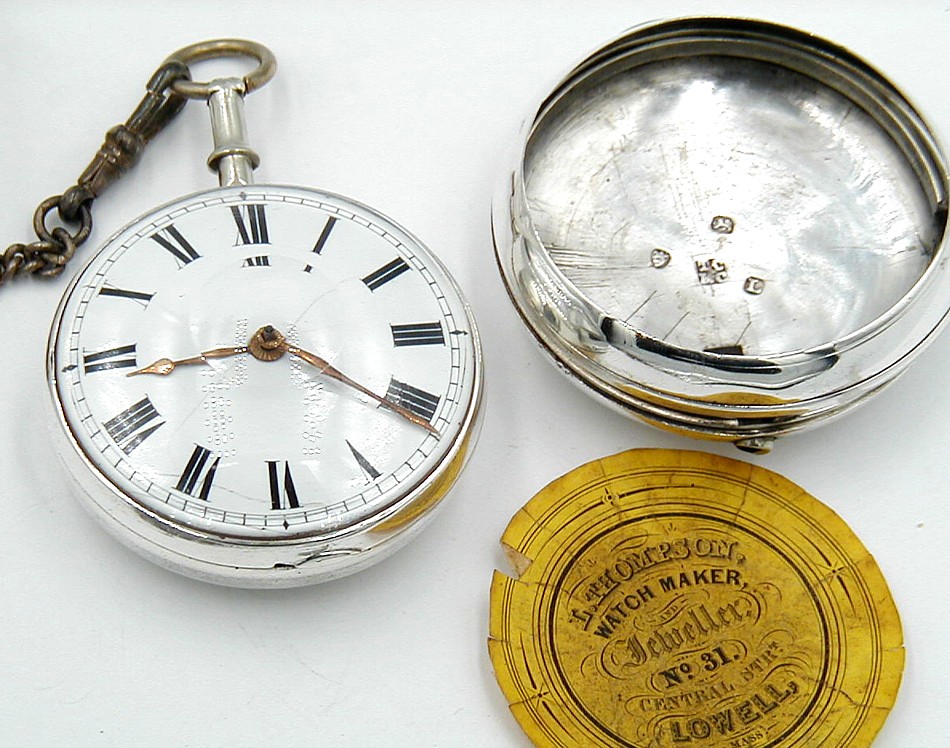
cases are London hallmarked and on the inside of the large case is a watchmakers
onion paper stating "L. Thompson Watchmaker , Lowell Mass". The dial is enamel
with a few lines but not Earth shattering consider the age of 1856! The movement
as you can see is wonderfully serviced and in Museum working condition. All
gears , teeth on the gears, all pivots inspected polished properly with the
proper grease and oils. The end result is an incredible working 150 ish year
pocket watch.
1000.00
|
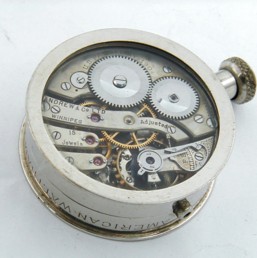 |
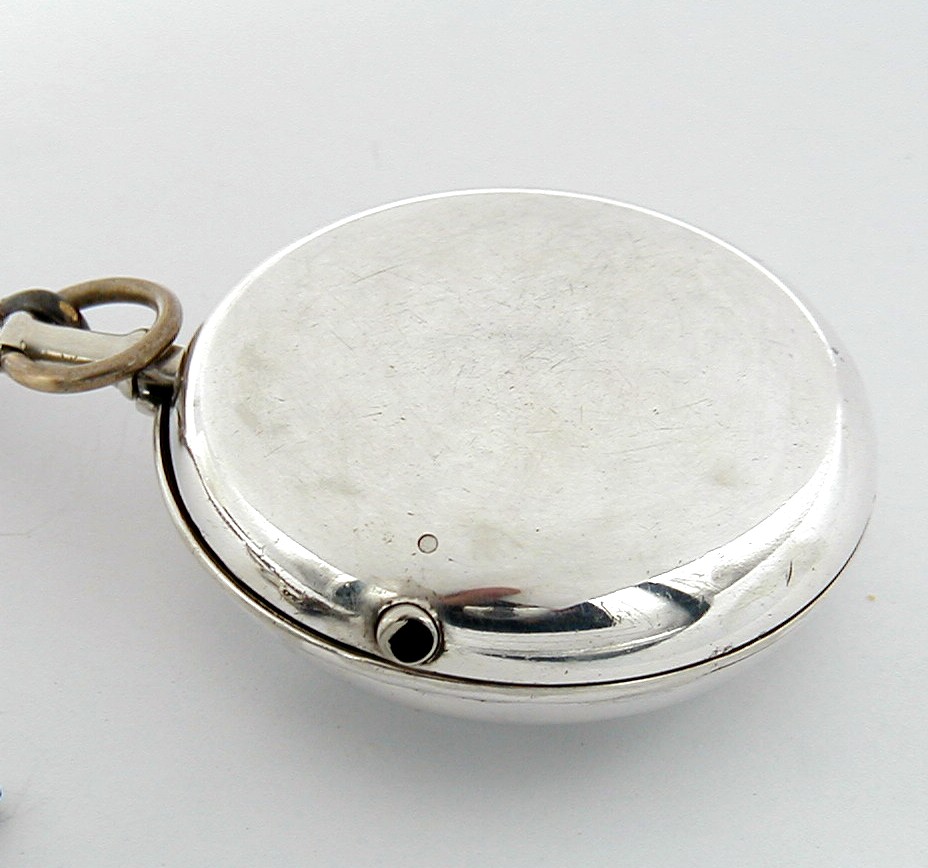
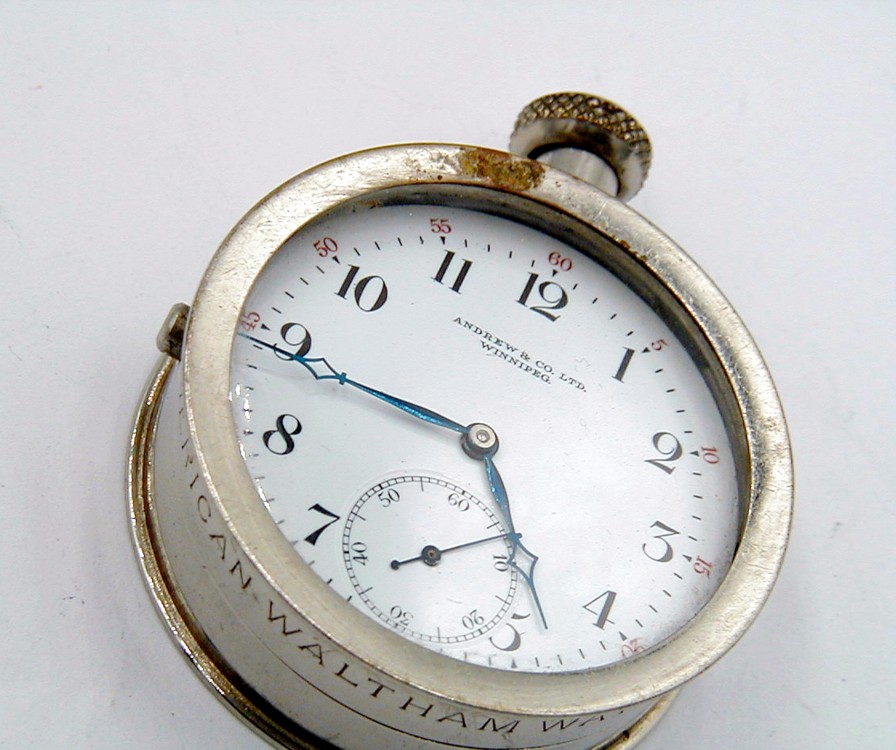
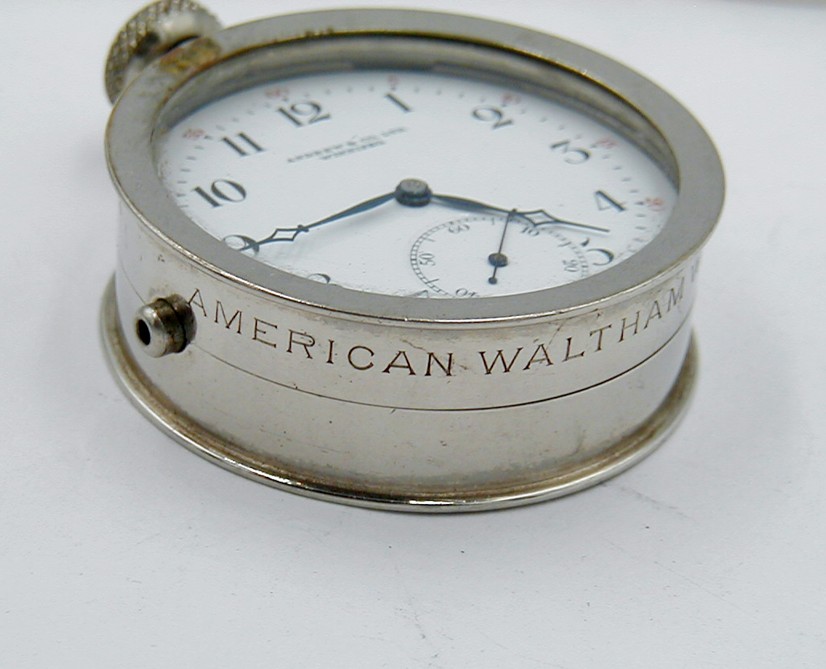
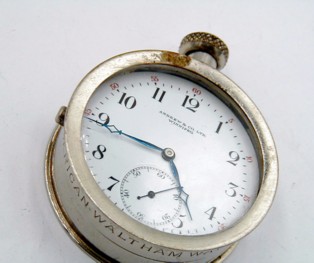
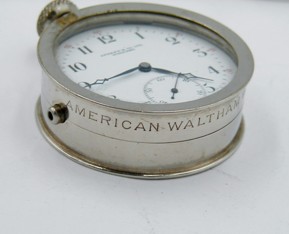
TAVANNES SIGNED "ANDREW & CO LTD, WINNIPEG" 16 SIZE
WELL SERVCIED WALTHAM SHIPPING CASE 1925
STOCK NUMBER # TAVANNES65-4------This is a rather a neat piece! This is a 16
size open face Tavannes movement and made for "Andrew & Co LTD, Winnipeg",
Manitoba Canada. This is a stem wind and a stem set model with 15 clean and
inspected jewels. Across this Waltham signed Nickel shipping case is 48mm. Both
sides are glass and original. The dial is enamel and nearly perfect with open
end pointer blued hands. The serial number for this piece is 7,276,502 and
signed on the barrel bridge "U.S Patent 24 May 1904". Again this is a clean and
serviced pocket watch and just rather cool I think!
300.00 USD
|
|
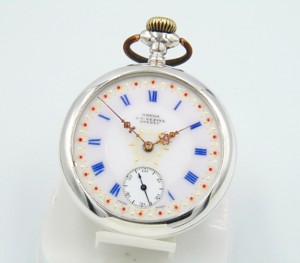
OMEGA STERLING SILVER CASE MULTI COLORED ENAMEL DIAL
WELL SERVCIED MOVEMENT 1920
SOLD ;-) |
|
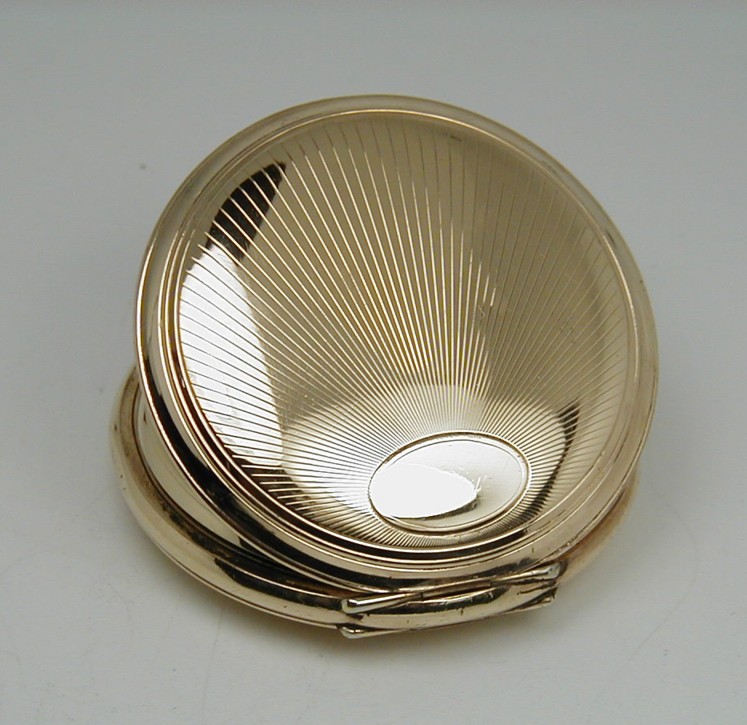
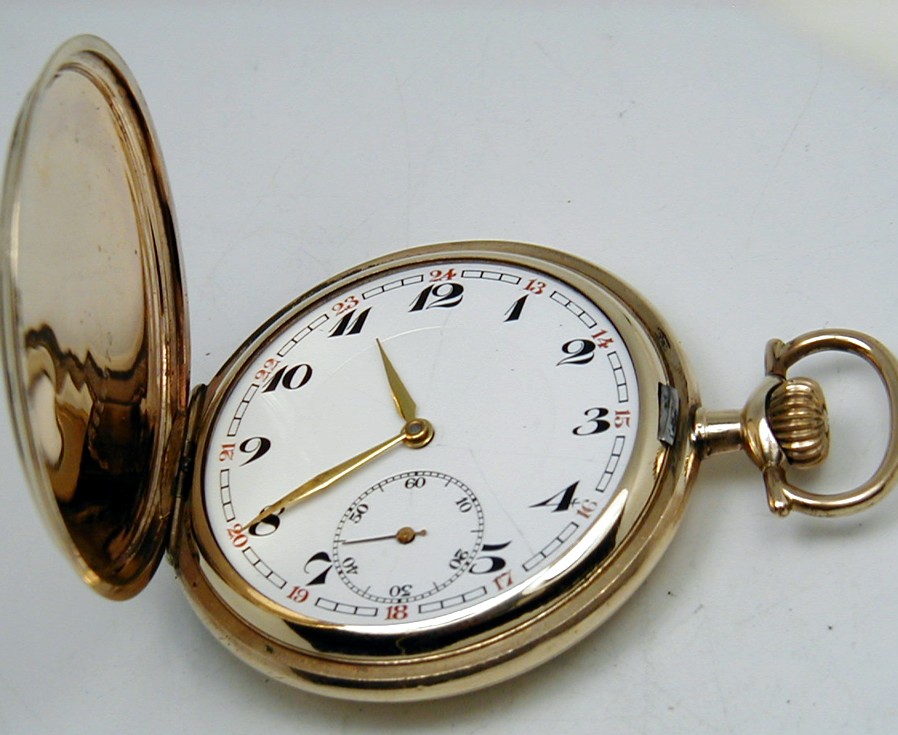
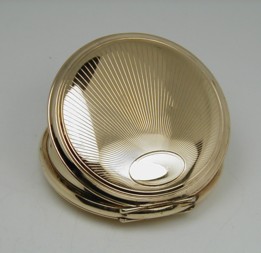
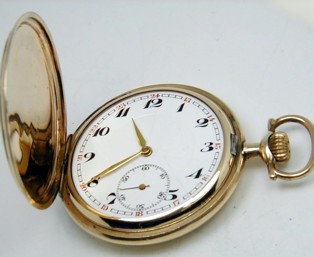
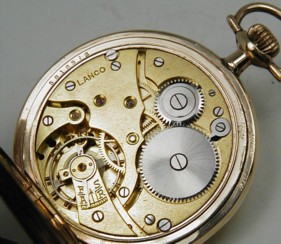
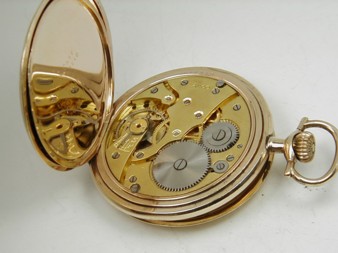
LANCO SWISS MADE SEASHELL DESIGN HUNTER MODEL POCKET
WATCH 14 SIZE 1925
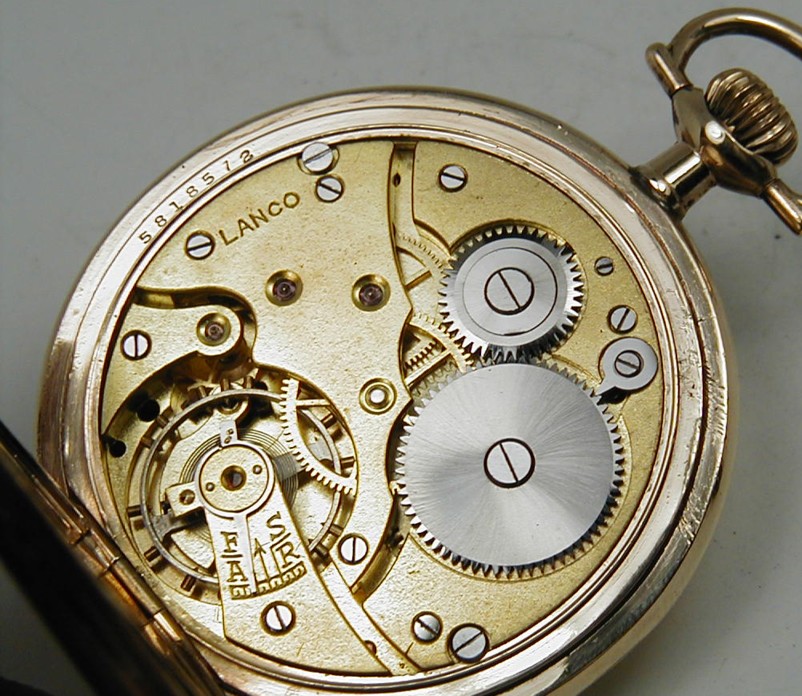
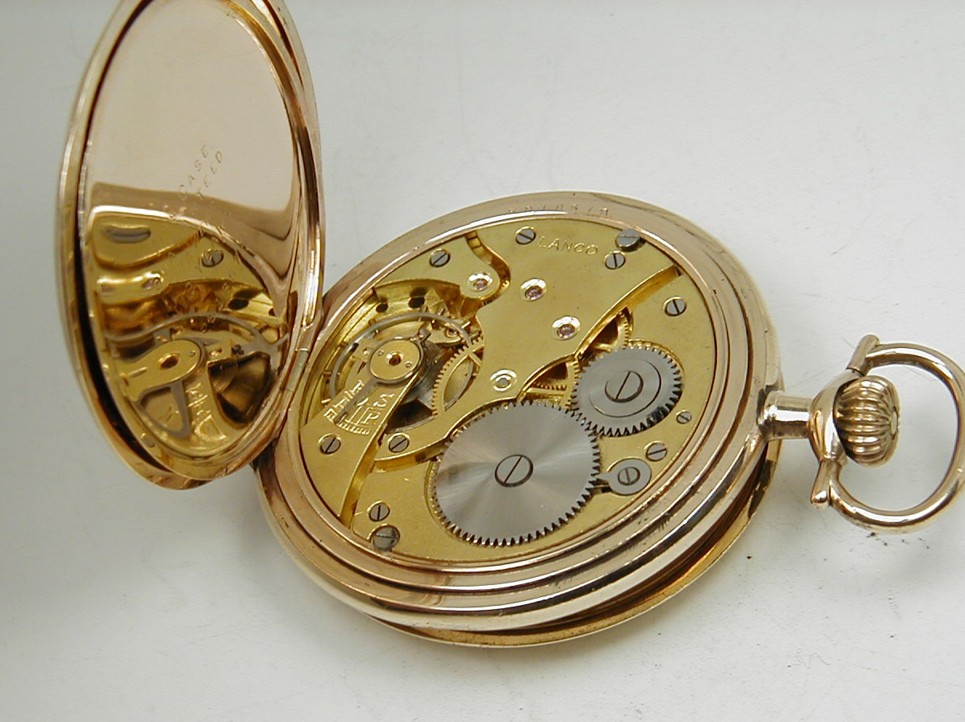
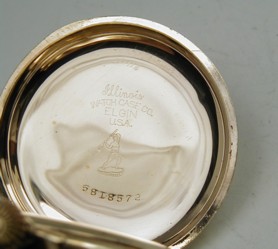
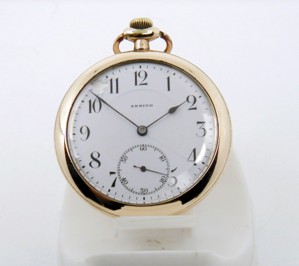
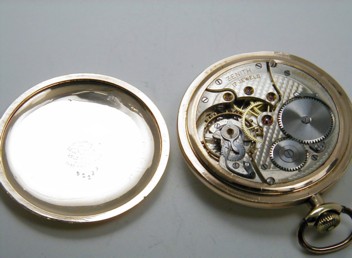
STOCK NUMBER # LANCO880-4------Here I have a fully serviced Lanco Swiss made
good quality pocket watch. This is with a "Sea shell" clam designed case and all
hinges on this case are perfect. Across this gold filled case is 50mm. The case
is signed "Illinois Elgin Watch case" and the serial number is 5,818,572.
This is a double sunk enamel dial with a few lines and the hands are gold filled
with a glass hunter model crystal. There are 15 clean and inspected jewels. This
Lanco pocket watch was produced in the year 1925 and Swiss made. Truly a clean
piece and keeps great time indeed.
450.00 USD
|
|
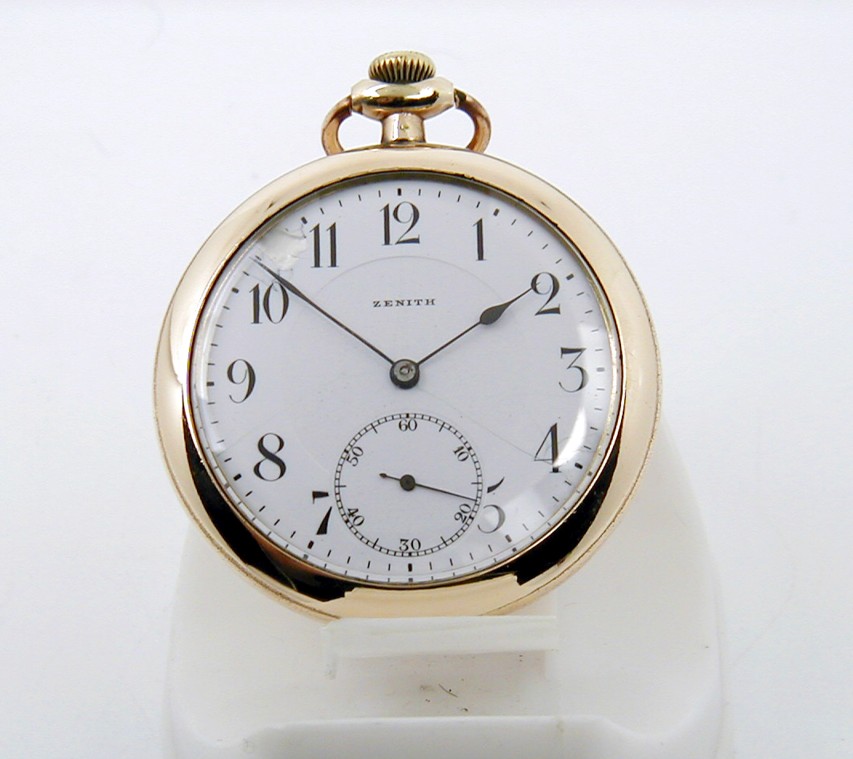
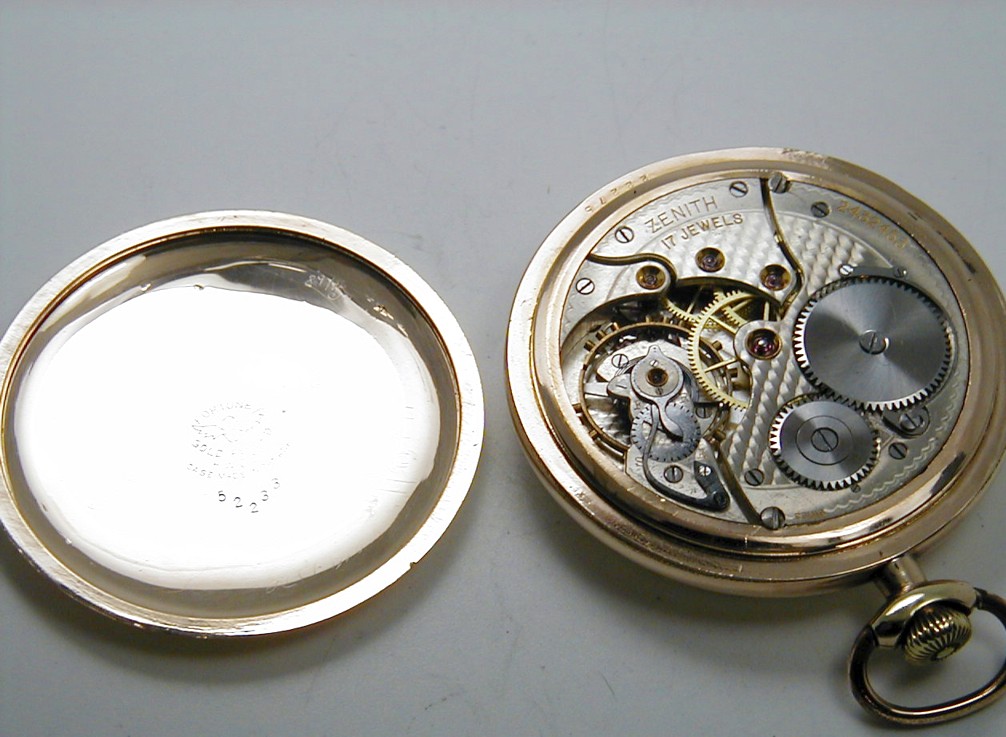
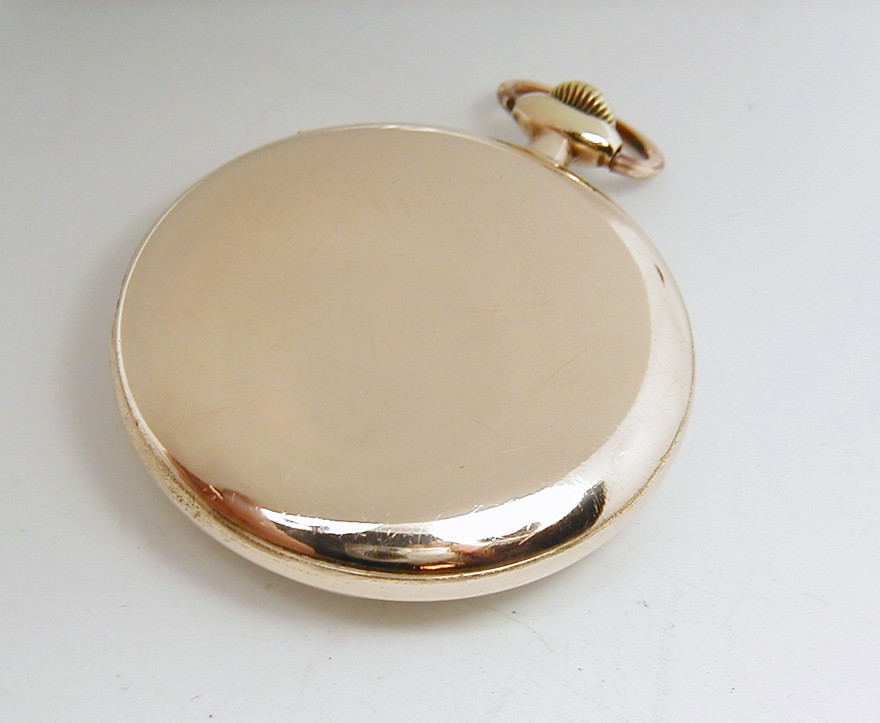
ZENITH 12 SIZE 17 JEWEL SERVCIED PROPERLY GOLD FILLED CASE
ENAMEL REPAIRED DIAL 1927
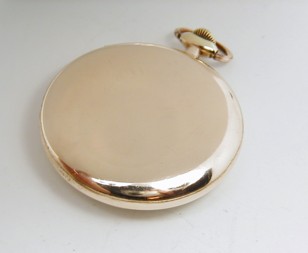
STOCK NUMBER # ZENITH75-4------I offer for sell a fully serviced Swiss made
in house Zenith pocket watch and it can with ease slip into any jeans "pocket
watch pocket. This is a 3 piece gold filled case and the screw in back has no
personal engravings with a mirror finish. Across this case is 48mm. This case is signed
" Fortune ,A.W.C.Co" " and the case serial number is 3,522,337. This
Zenith enamel dial is with a repair at the 11 pm position. The hands are Zenith open
spade ends and the crystal is glass without any flaws. This movement is super clean as
the scans shows you clearly with a beautiful damskeen pattern and keeps great time indeed. There are 17
clean and inspected jewels to this Zenith 12 size pocket watch. This is a stem
wind and stem set piece The serial number for this Zenith is 2,432,453 which
tells me this in house Zenith Swiss movement was produced in the year 1927 . Well serviced and art art-deco.
300.00 USD
|
|
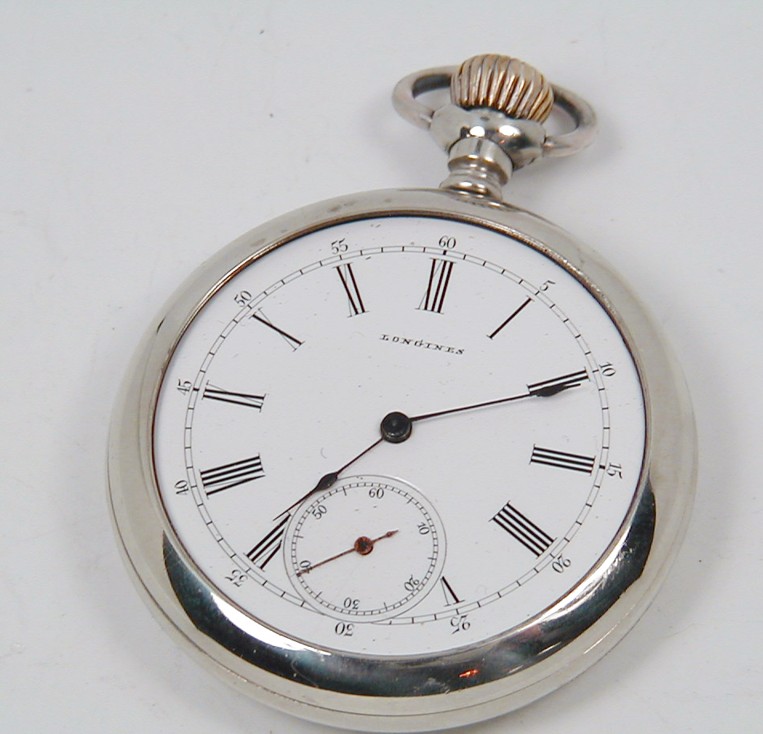
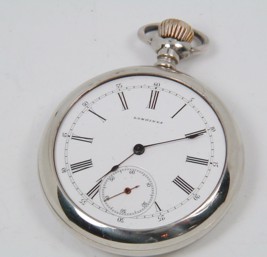
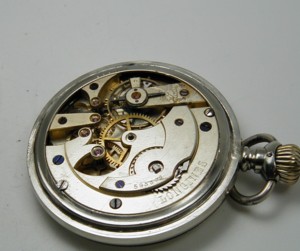
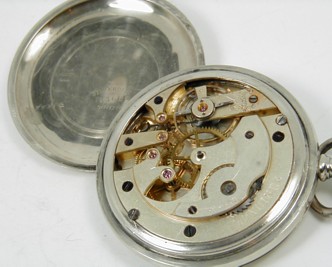
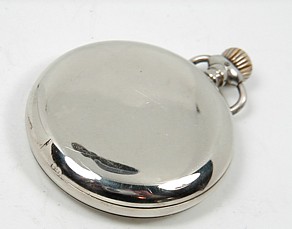
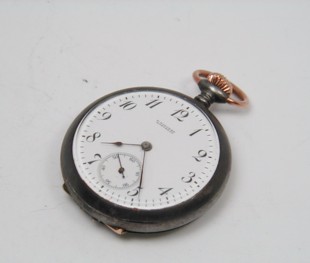
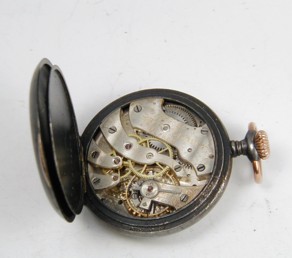
LONGINES
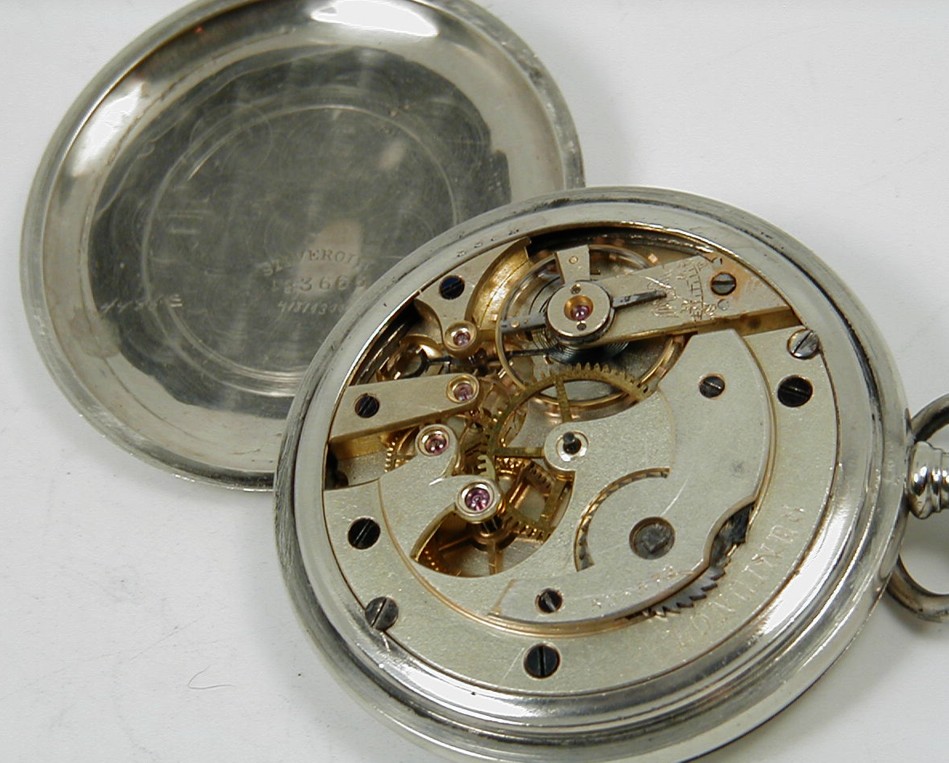
EARLY SERIAL NUMBER IN A NICKEL CASE STEM WIND AND LEVER SET WELL SERVCIED
1892
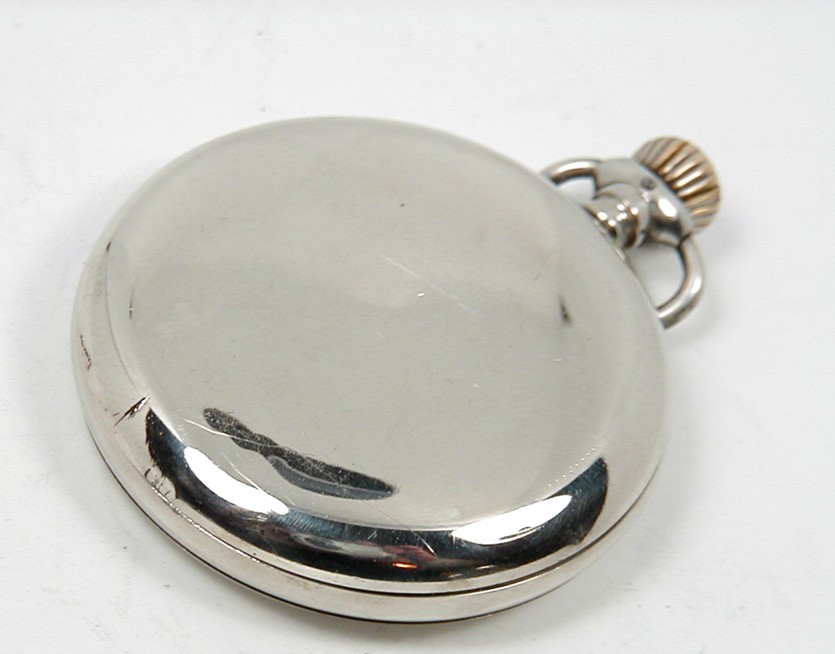
STOCK NUMBER # LONGINES810------This Longines movement
is an early stem wind and lever set piece from the Longines Swiss factory in the
year 1892. This is a nickel case and across it is 52mm. The case serial number
is 183,666. The dial is original and enamel and quite clean indeed. The hands
are original and I have replaced the glass crystal. The movement considering
it's age is super clean and with an early serial number 593,379. There are 15
clean and inspected jewels to this beauty and yes serviced the proper way with
never a short cut taken. This piece was produced in the year 1892 and really a
nice size to carry.
350.00 USD
 |
|
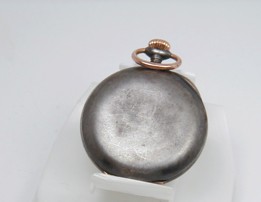
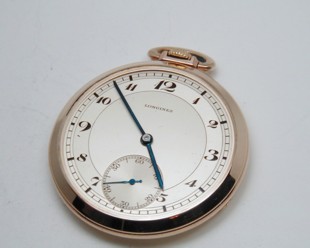
LONGINES
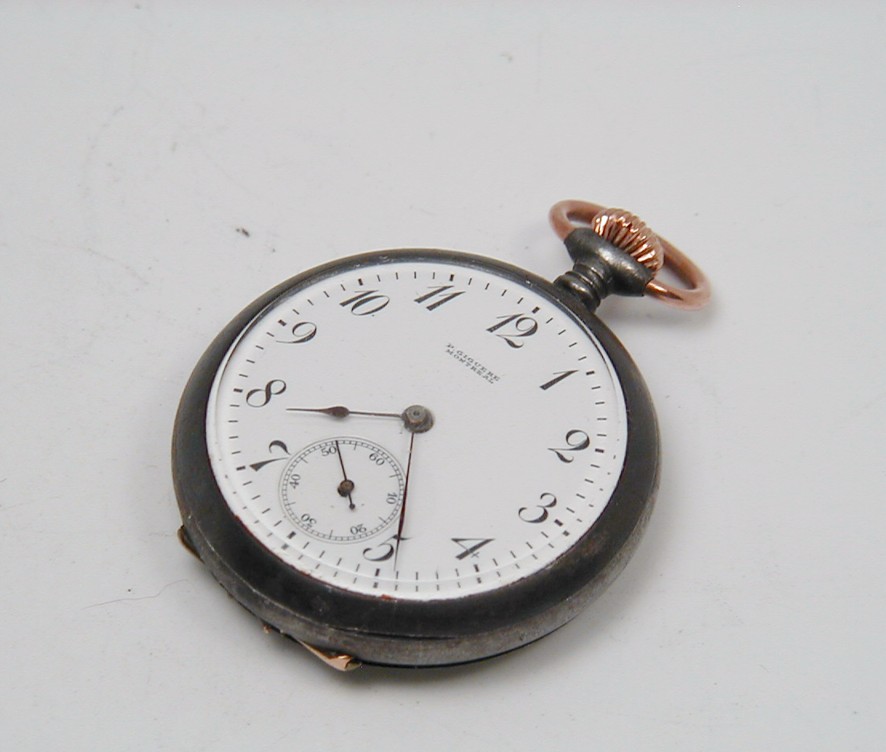
MATCHING CASE AND MOVEMENT SERIAL NUMBERS GUN METAL OPEN CASE CASE AND SERVICED
1935
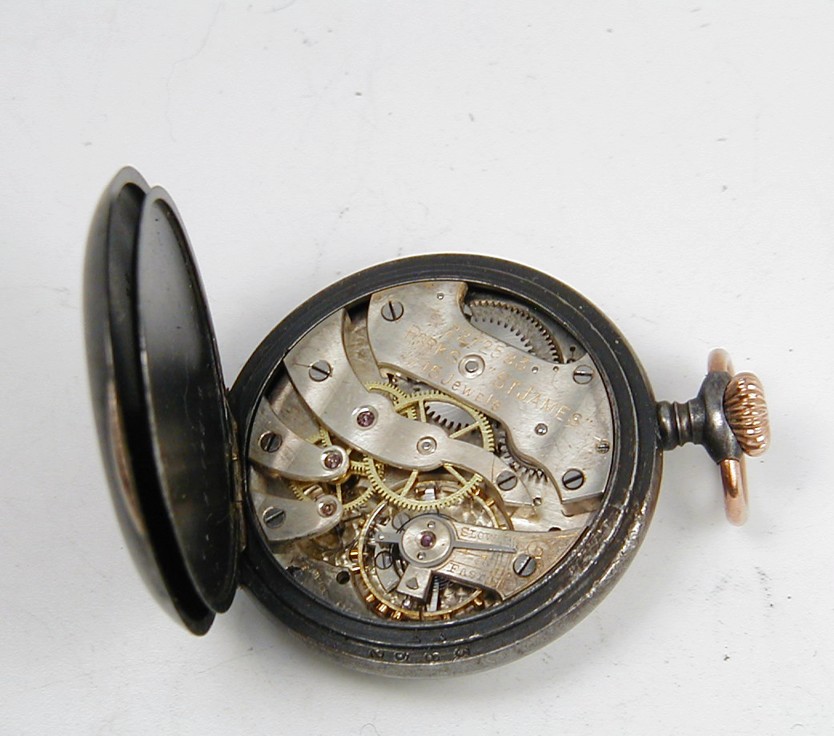
STOCK NUMBER # LONGINES6775------This movement and gun
metal case have matching serial numbers and the enamel dial is signed P. Gigure
, Montréal". Even the glass crystal seems to be original and very clean indeed.
Across this 0 size Longines movement is 35mm and no engravings anywhere to be
found. The Movement is signed "Birks, St. James" as "St James" is the street
where the Montréal location main store was located in 1935. The movement has
been serviced properly and keeps great time. There are 15 clean and inspected
jewels to this Longines manual wind piece.
The caliber for this stem wind and stem set piece is 13/81. A great little
piece that fits in a pocket with ease or for a special lady with a nice chain as
a necklace.
250.00 USD
 |
|
LONGINES
GOLD FILLED CASE NEAR PERFECT ALL OVER CONDITION AND SERVCIED 1937
STOCK NUMBER # LONGINES95580------This is one spotless
piece from the Longines Swiss factory. This is a slim piece that can be
fit into any pocket with ease as it is not bulky at all. Across this gold filled
Longines case is only45mm. The crystal is glass and flawless. The case is a snap
in back with a mirror finish so no personal engravings at all. The serial number
for this case is 9,928,338. The dial is a two tone and factory original and
better than 95% perfect. The hands are Longines and pointed stick baton style.
The movement as you can see is in perfect condition as it is a caliber 17L
movement with 17 clean and inspected jewels. Please notice all jewels are in
semi raised solid gold jewel settings. The serial number for this gentleman's
size Longines is 5,693,062 which tells me this piece was produced at the Swiss
Longines factory in the year 1937.
ON HOLD ;-) |
|
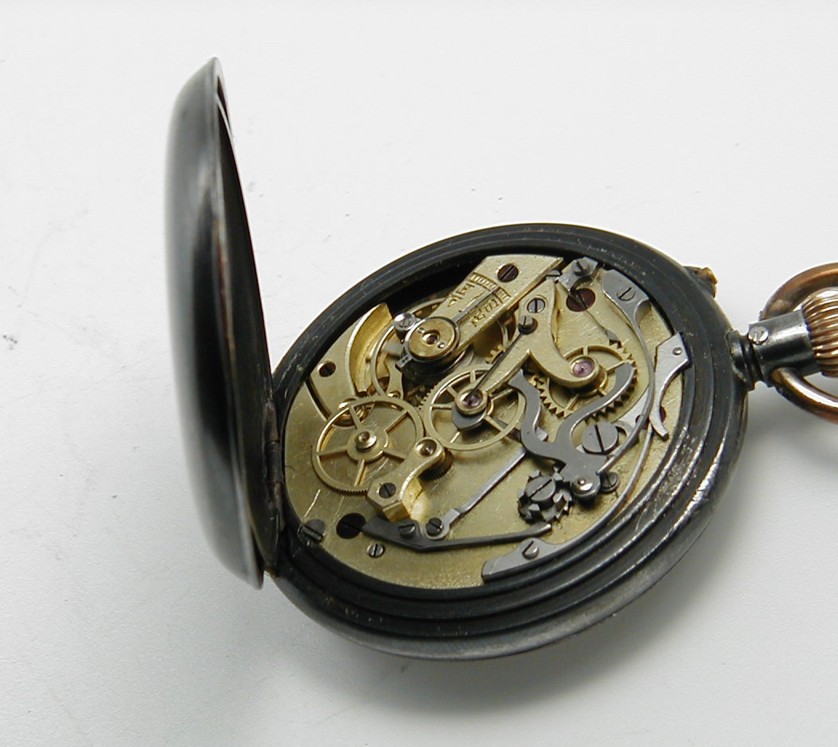
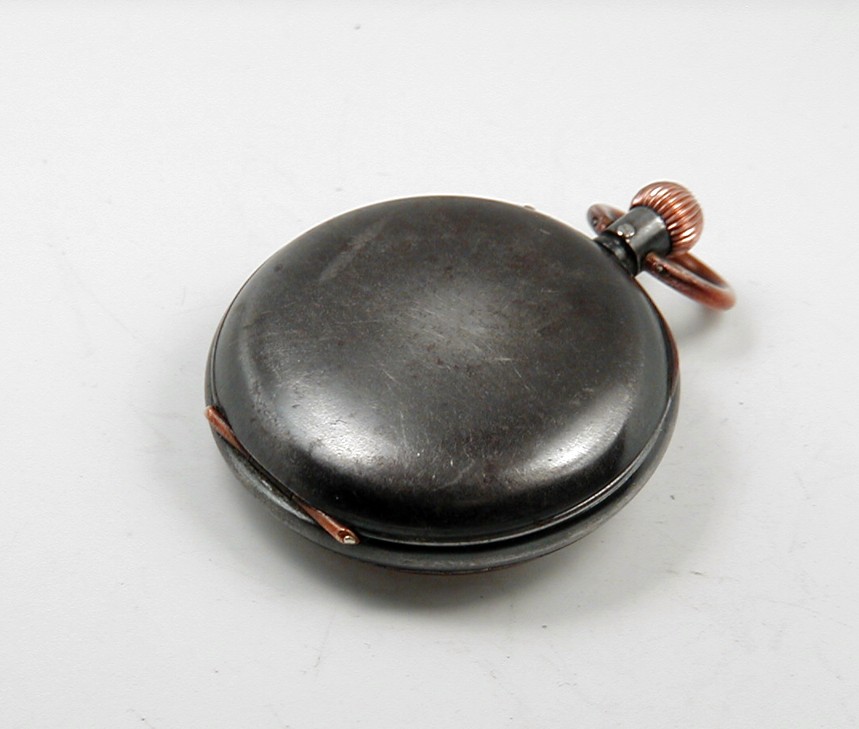
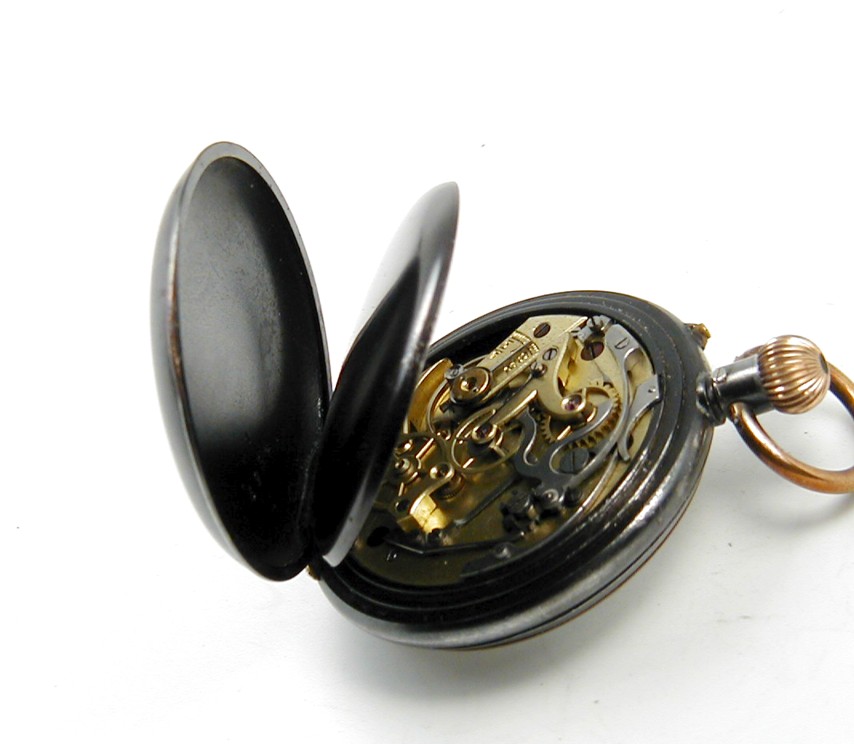
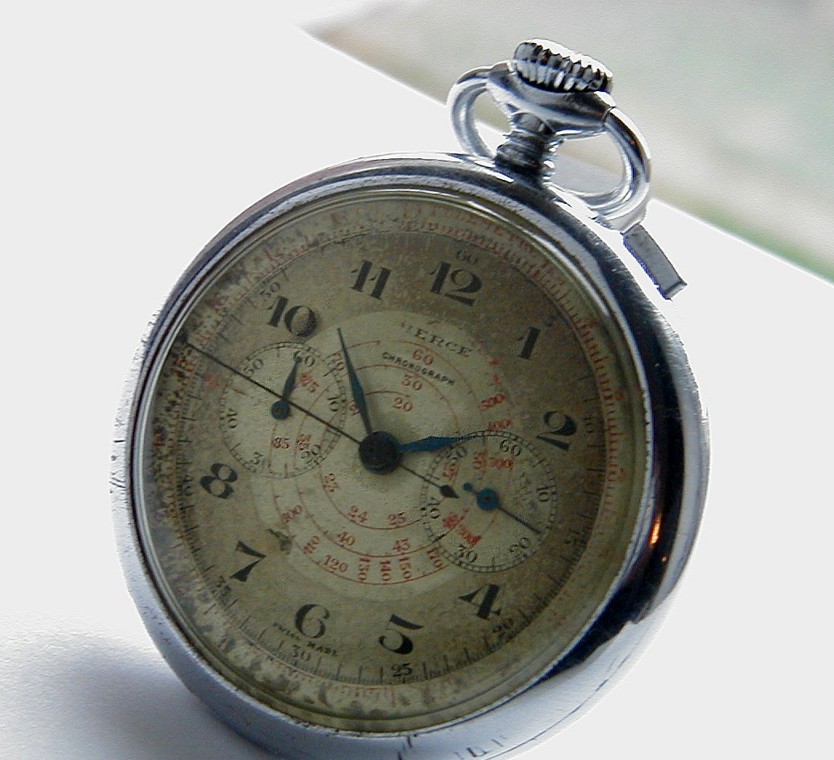
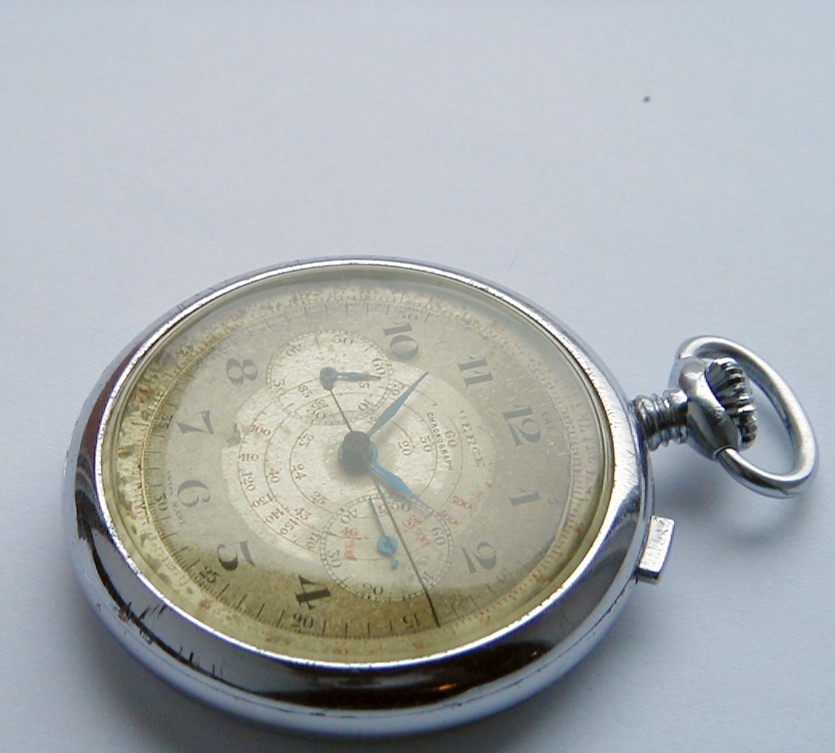
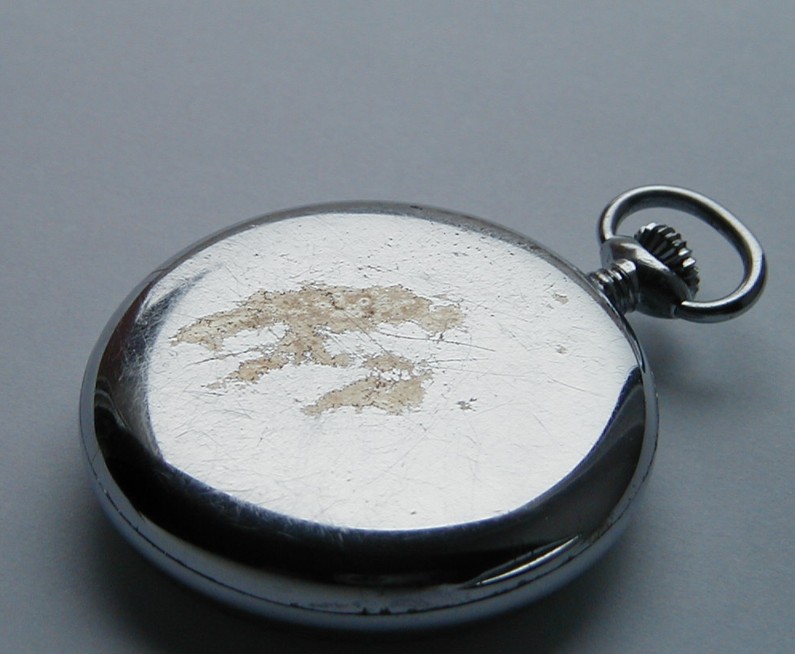
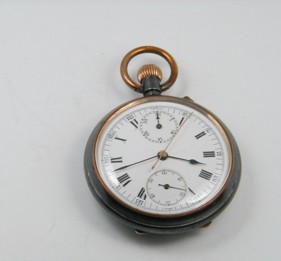
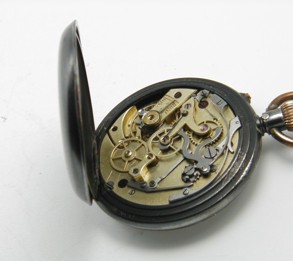
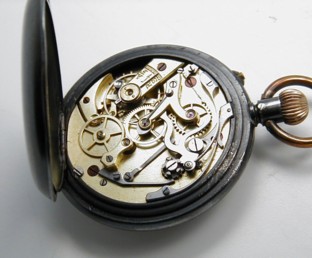
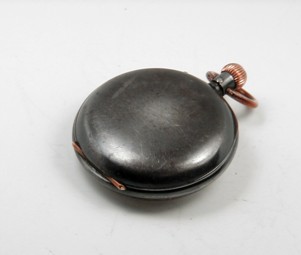
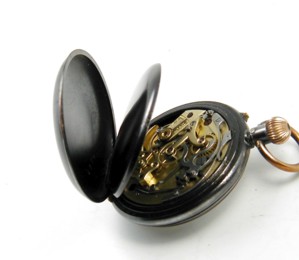
SWISS EARLY CHRONOGRAPGH TIME 10 SIZE POCKET WATCH GUN METAL CASE AND WELL
SERVCIED 1915 ERA
STOCK NUMBER # PWCHRONO60------I have for sale a fully serviced
this pocket watch and it is a dandy indeed! This is a small 10 size piece as
across this gun metal military style case is 45mm. The crystal is glass and the
case serial number is 5294/7. The dial is enamel and near perfect as well as the
original hands. When you push the crown in the sweep hands takes off perfectly.
When you push the crown in again the sweep hand stops....when you push it in a
third time the sweep hand snaps back perfectly to 12 pm. The movement again has
been serviced the proper way and it is unsigned and Swiss made. I will say the
bow and crown are solid gold at 10 karat. Circa for this gem is around 1915 and
keeps great time indeed.
1200.00 USD
  |
|
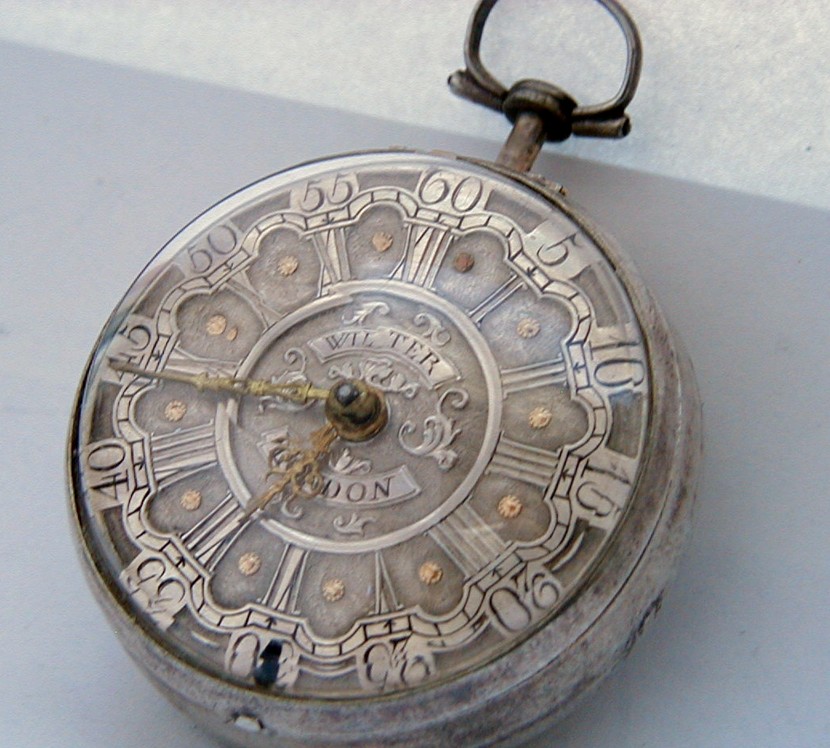
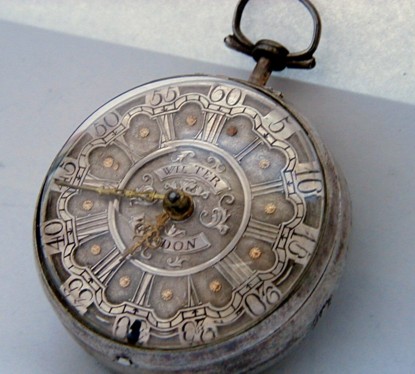
WILTER STERLING SILVER CASE AND DIAL EARLY CHAIN FUSEE LONDON ENGLAND AND
SERVICED PERFECTLY 1775
SOLD ;-) |
|
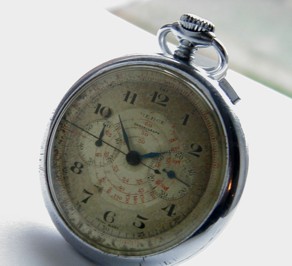
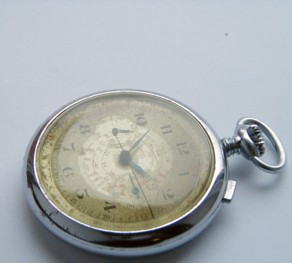
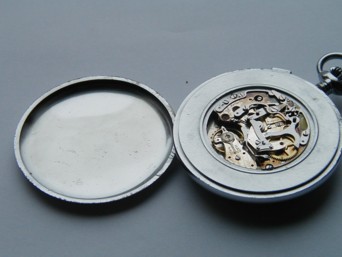
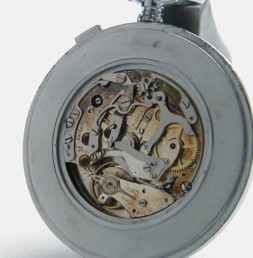
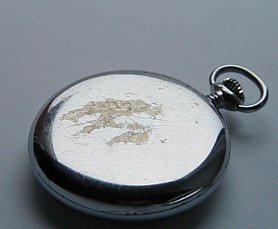
PIERCE SWISS POCKET CHRONOGRAPH WORLD WAR TWO PIECE AND SERVICED PROPERLY
1942
STOCK NUMBER # PIERCE125-4------I have just serviced this all original Pierce
military world war 2 pocket watch and it is a chronograph and a one button
chronograph to boot! Across this chromed case is 49mm. The crystal is a
light yellow early plastic piece and by the condition that it came to me in I
believe it is an original piece although I cleaned and buffed it till near
perfect. The dial is faded and left as found as it is a military dial.
This movement is a Pierce signed caliber " M" with 17 clean and inspected
jewels. Again I have serviced this piece properly and all complications operate
perfectly. The large sweep hand fly's right back to 12 pm when you push the one
button in with ease. This is a manual wind and stem set pocket watch and from
the Swiss Pierce in house factory 1942.
750.00 USD
  |
|
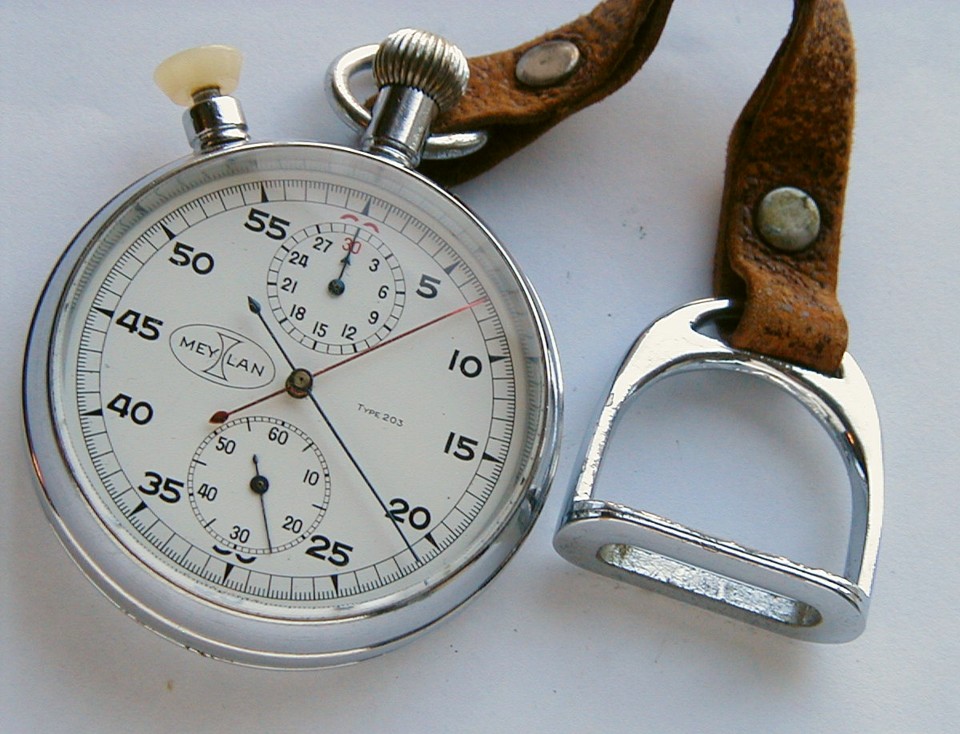
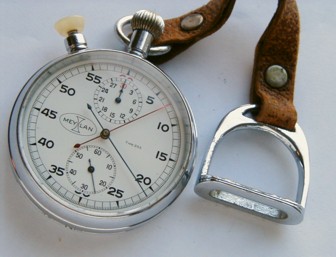
MEYLAN SPLIT TIMER CHRONOGRAPH WITH STEEL HORSE FOB AND WELL SERVICED 1950
STOCK NUMBER # ME505-4------I have for sale a fully
serviced and perfectly functioning "split timer" Meylan model 203 pocket watch.
This is a chromed case and across it is 53mm so it is basically a 16 size by
American standards. The crystal is acrylic and super clean. The dial is original
and painted with no flaws as well the hands are original and not faded in color. There are 17 clean and inspected jewels to this split timer and I
have cleaned and inspected each and every cog and wheel of this Meylan "sports"
split timer piece. I have tested each and every function at least 100 times over
the past week and always they were in perfect order. The year for this Swiss
Meylan piece is 1950 and it does come with a steel "Horse Stirrup" FOB.
450.00 USD
|
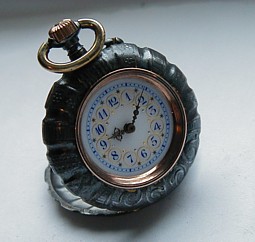 |
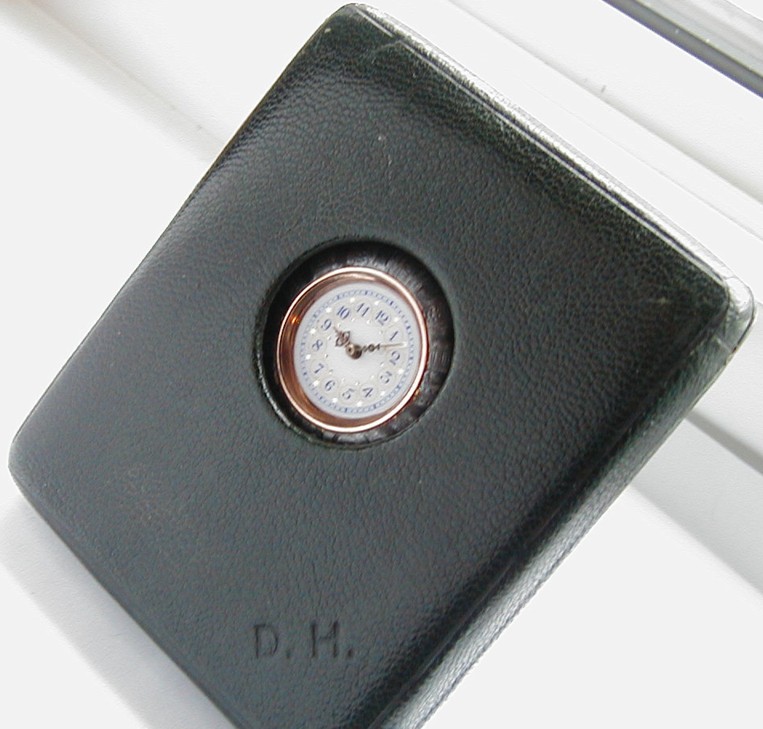
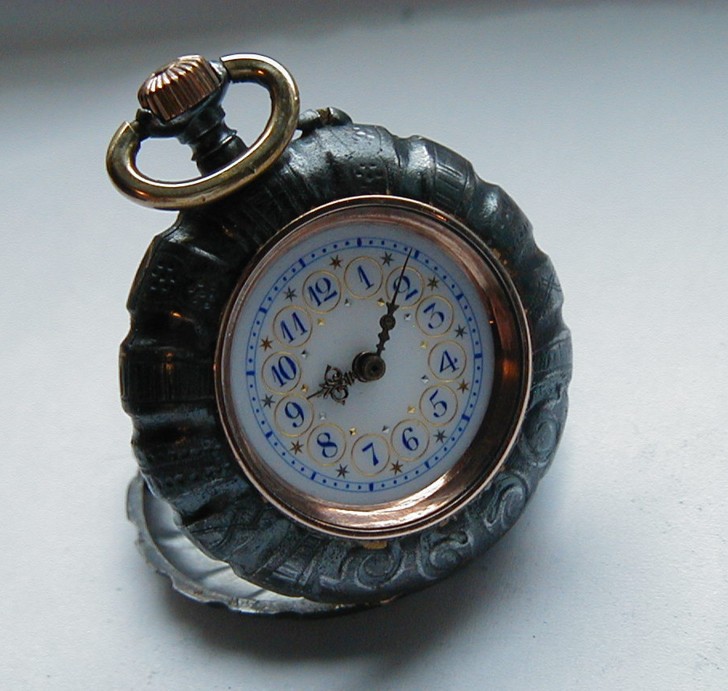
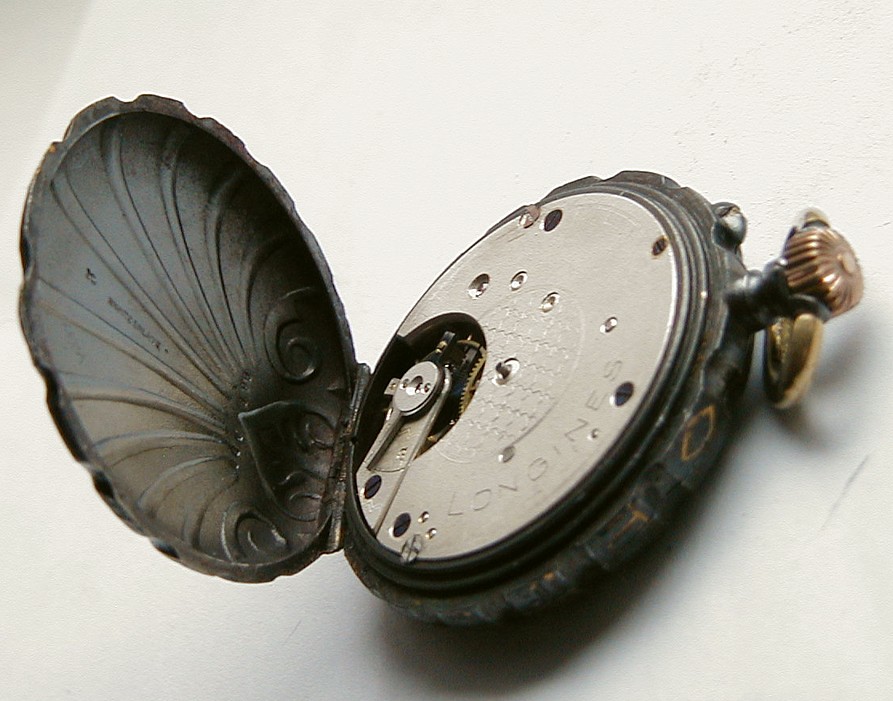
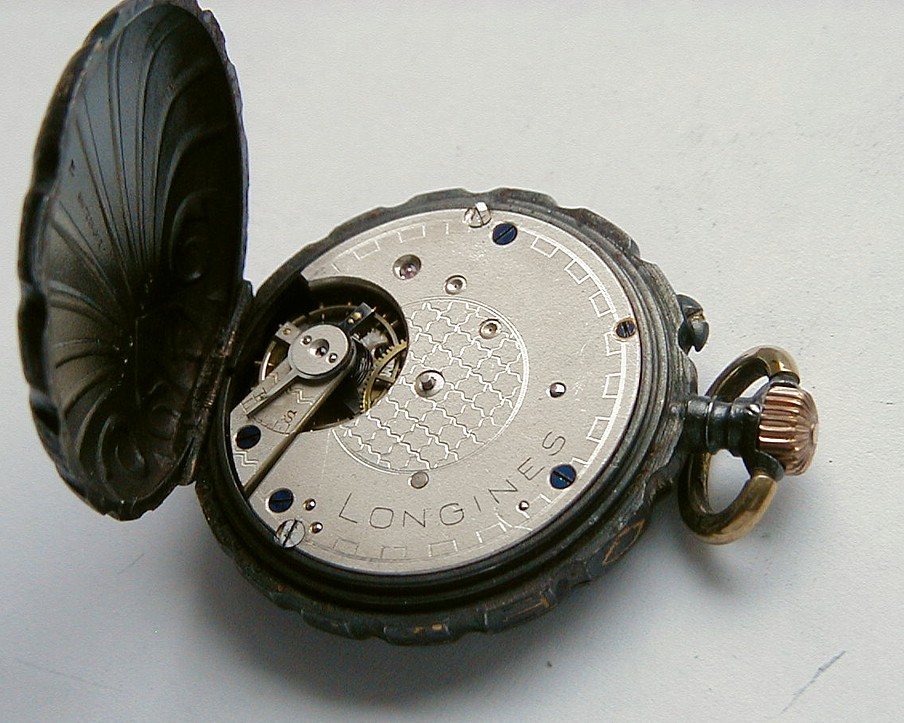
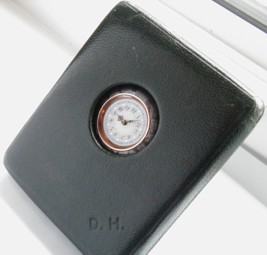
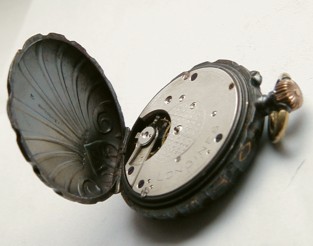
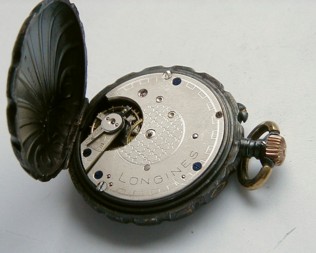
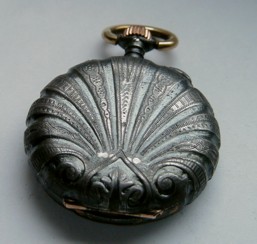
LONGINES MINT GUN METAL LADIES PENDANT POCKET WATCH NEW OLD STOCK AND SERVICED
1910
STOCK NUMBER # LONGINES4720-2------This piece is a "NEW OLD STOCK" Longines
ladies pocket watch or pendant watch that can be worn with a nice chain as a
necklace. There are no flaws on this gun medal clam shell case, no flaws on this
multi coloured Longines dial and the movement is perfect mint. This case is
perfect as well never used. This see through stand case is made of leather and
there is a piece on the back that opens up and makes this piece a night stand
watch. This is a stem wind and "pin" set movement and yes it is a manual wind
Longines signed movement. The case across is 35mm and without the bow or the bow
down the length is 43mm so again it can easily be worn as a necklace. The case
serial number is a very low 664,899. This Longines pendant pocket watch dates to
the year 1895 and again it is mint not a flaw to be found ;-)
550.00 USD
|
|
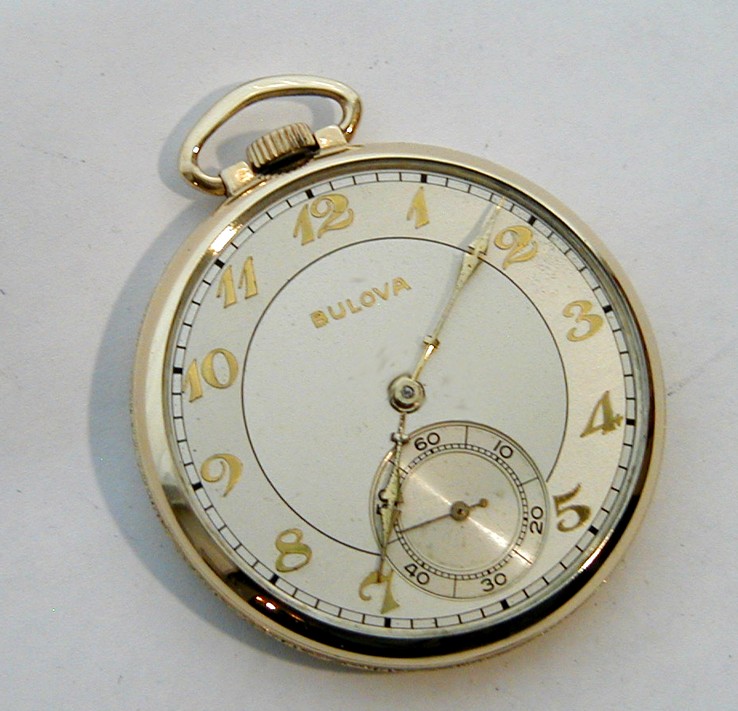
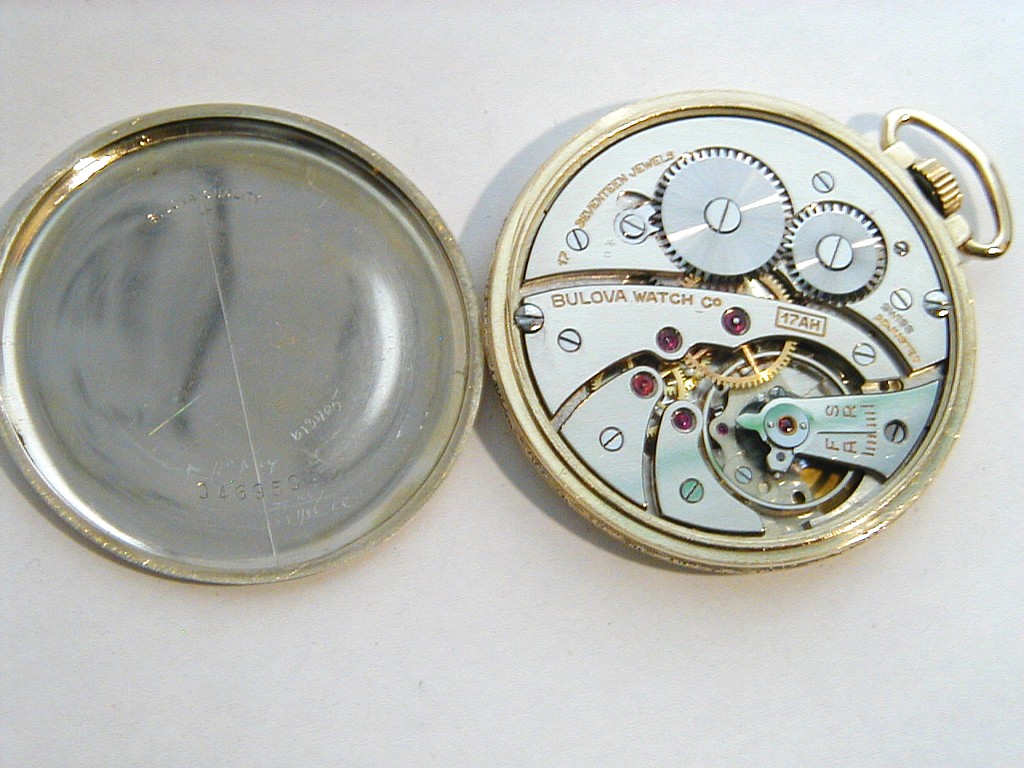
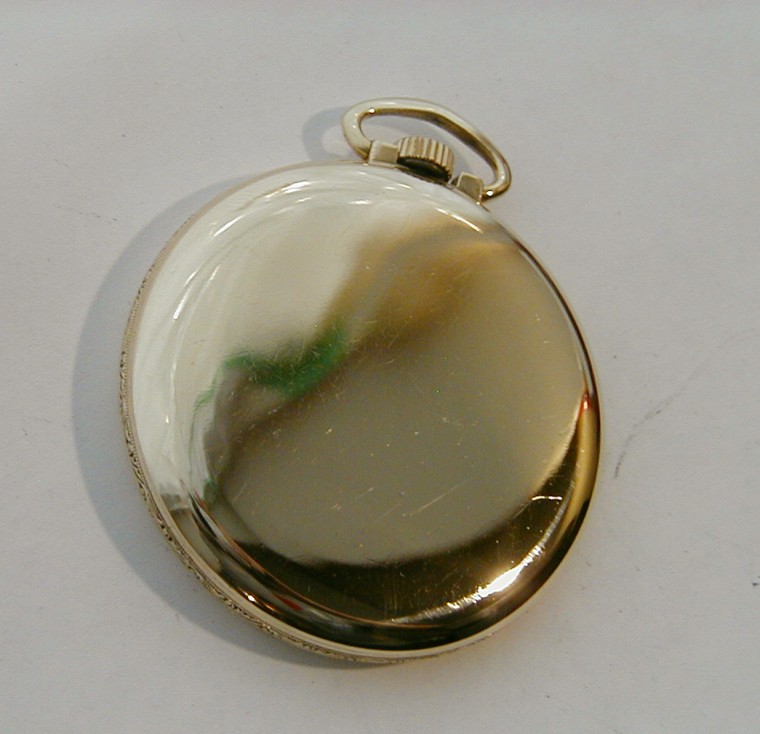
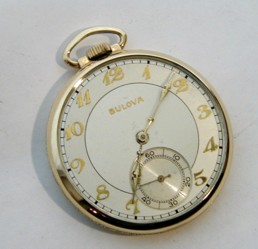
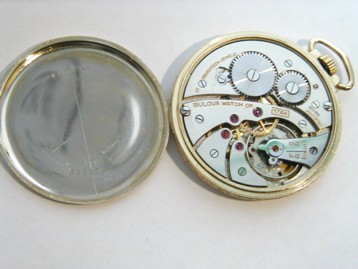
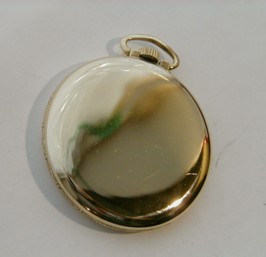
BULOVA GOLD FILLED POCKET WATCH AND SERVICED ALL ORIGINAL 1950
STOCK NUMBER # BULOVA6010-4------I have for sale a
fully serviced nice slim sized Bulova pocket watch in a gold filled signed
"Bulova" gold filled case. The case serial number is 0,469,509 and there is a
marking "N-0" and this is the code from Bulova that tells me it was produced at
the Bulova Swiss factory in the year 1950. across this thin case is 43mm . The
dial is factory original and in excellent condition and the hands are Bulova
factory and for this piece for sure. The crystal is glass and not a flaw. The
movement is a beauty and in minty condition as the scan shows you clearly. This
is a Bulova manual wind caliber pocket watch and the caliber is 17AH with 17
clean and inspected jewels. One wind of the crown and the balance takes off like
a rocket ;-) The back is a snap in with a mirror finish no personal engravings
at all.
375.00 USD
 |
|
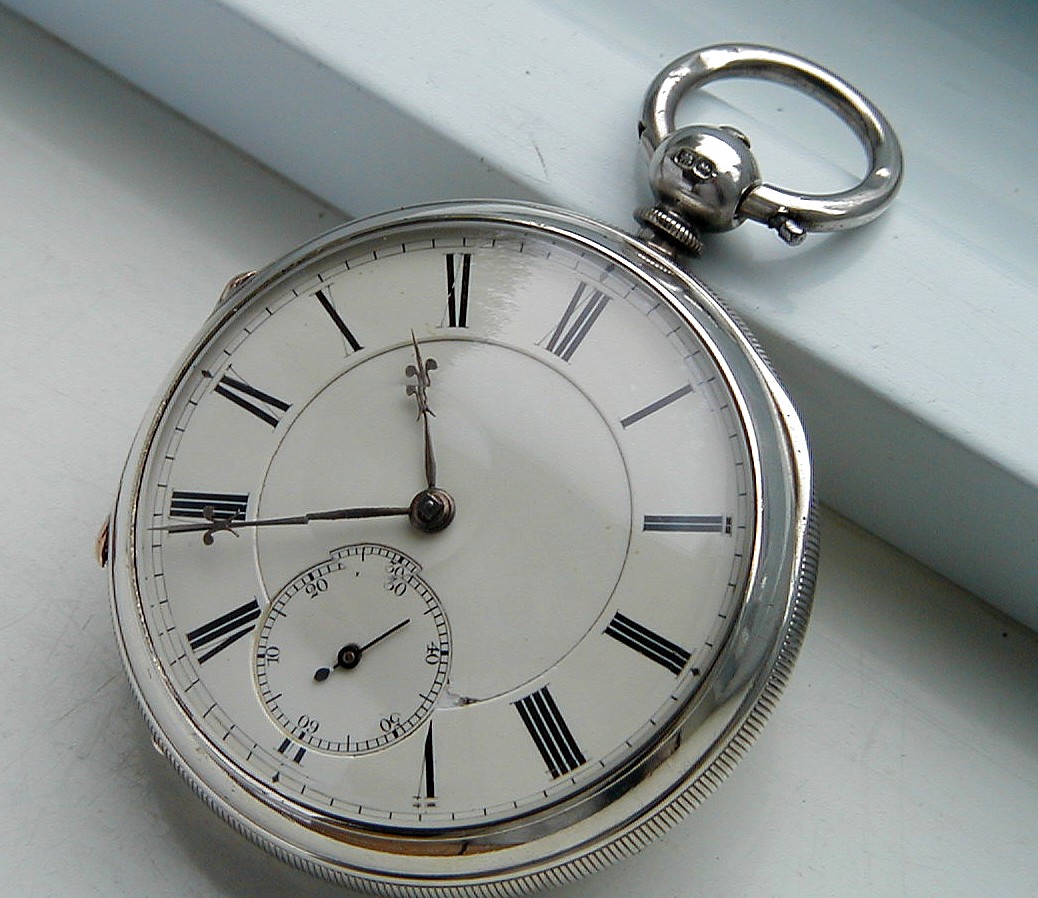
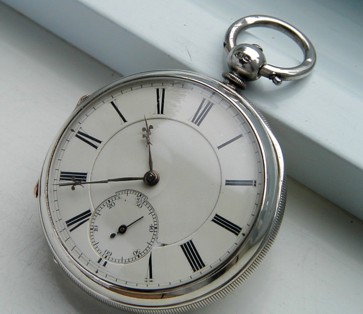
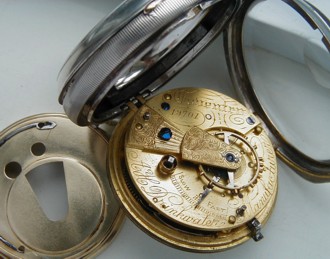
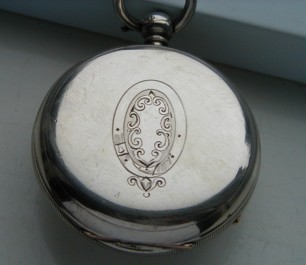
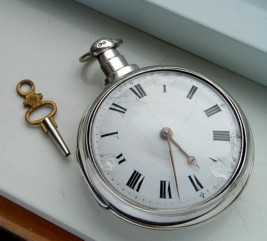
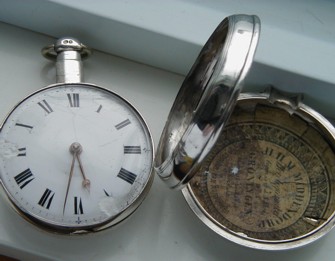
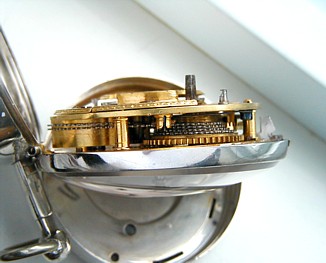
A.H DRINKWATER STERLING SILVER FUSEE POCKET WATCH AND SERVICED 1888
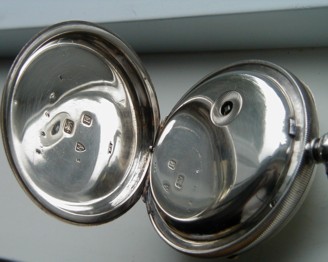
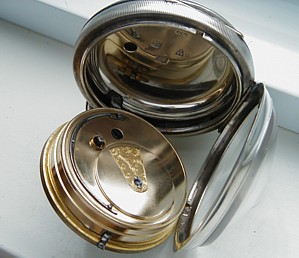
STOCK NUMBER # DRINKWATER10------I have for sale an
impeccably serviced A.H Drinkwater chain fusee pocket watch from 1868. This case
across is 54mm. The crystal is perfect and it is a glass bulls eye. The dial is
enamel and very clean. The hands are from this piece and with beetle ends. The
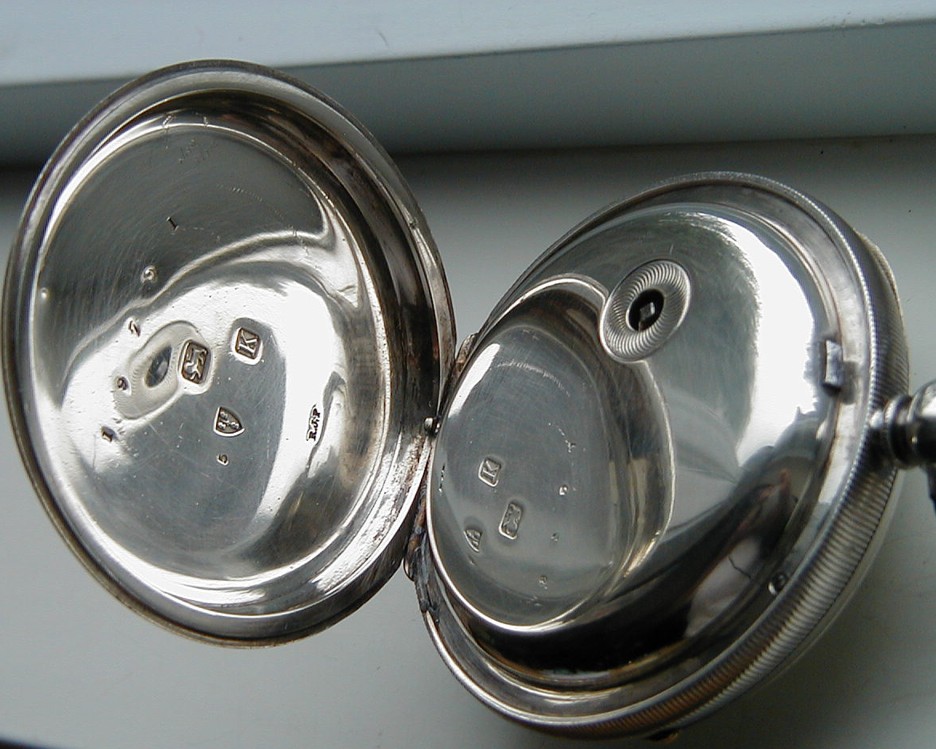
case is well hallmarked and the hallmarks tell me it is from 1828 (K in a square
cut off corner symbol) and in the area of Chester. This again is a sterling
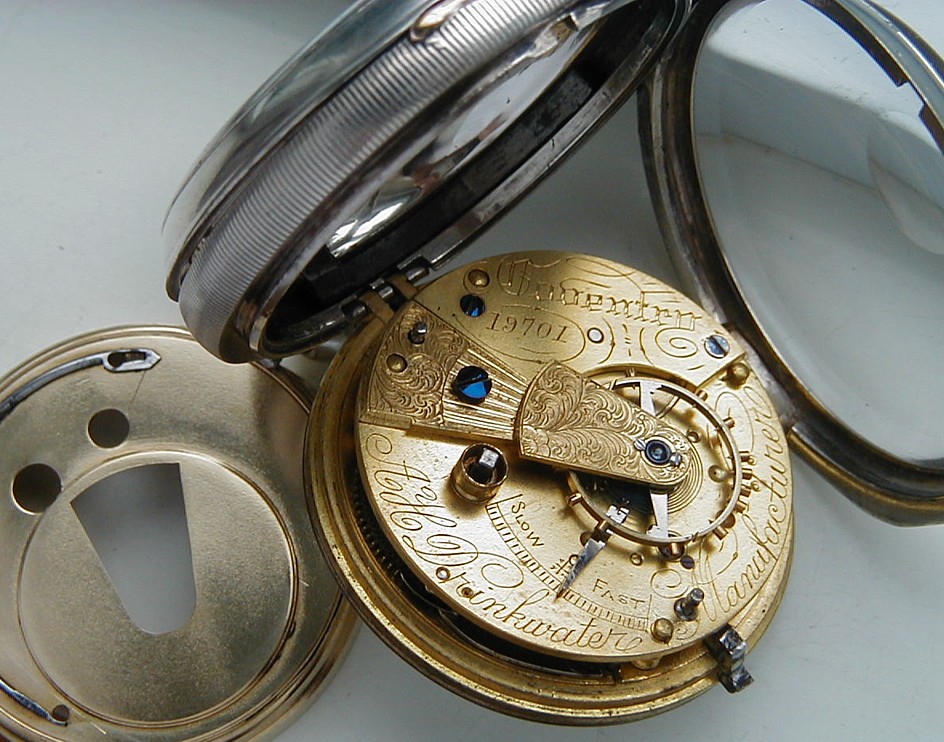
silver case and the hinges are perfect. The movement is in pristine condition as
the scans shows you clearly and the movement cover is perfect as well and locks
tight in pace. The movement is well serviced and each link in the chain was
checked under my Zeiss microscope and it is perfect. The mainspring is
re-greased and cleaned and sanitized. Each cog and pivot as well all parts have
been checked and every tooth and gear is straight and strong. The movement
serial number is 19,701. This piece of coarse comes with a chain and key as well
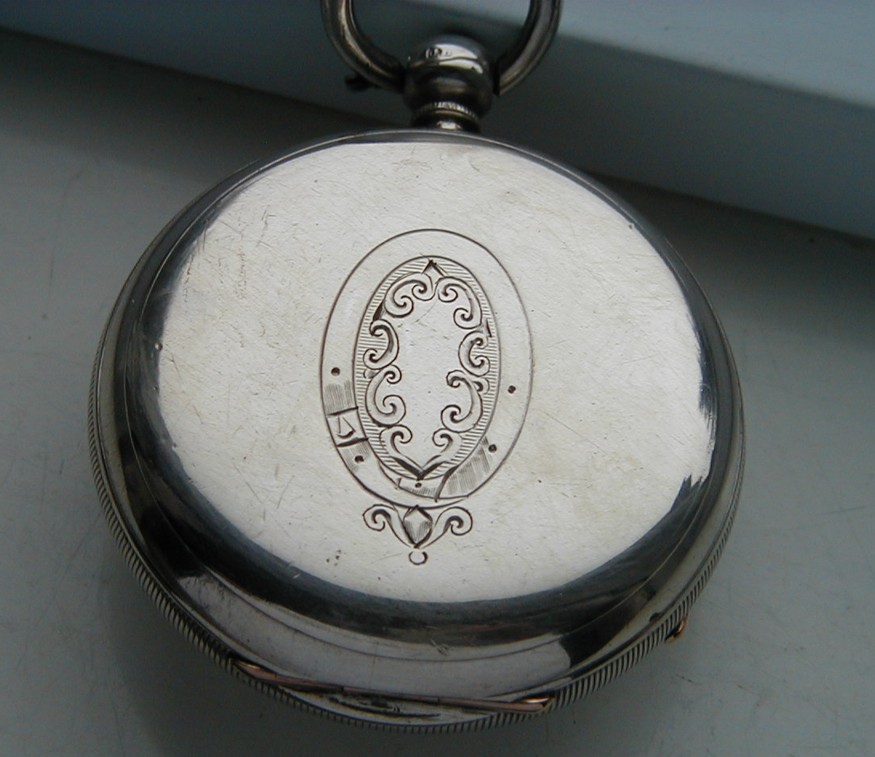
as a free pouch. Stunning and well running! On a closing note there are no
personal engravings on this case at all.
1100.00 USD
 |
 |
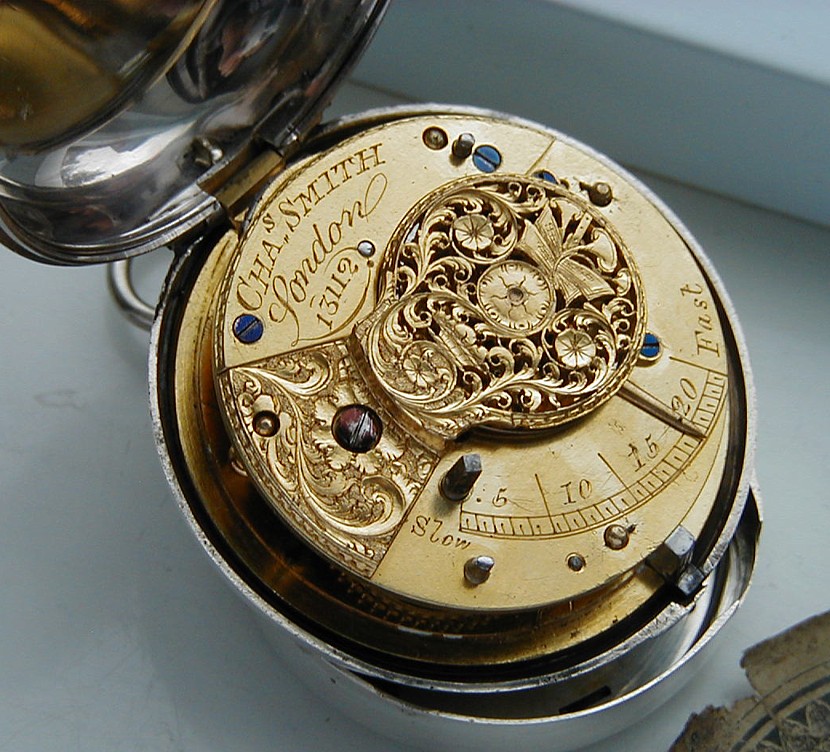
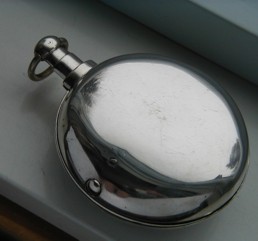
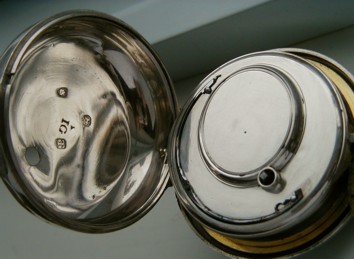
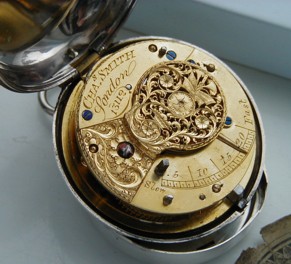
CHAS SMITH STERLING SILVER CASE IN CASE FUSEE AND WELL SERVICED 1814
STOCK NUMBER # SMITH100------Please notice the dial
has been repaired and the price has been reduced drastically only for this
reason. Other than this we have a stunning sterling silver case in case fusee
pocket watch from the year 1818 as the hallmarks on both cases indicate this
fact. Across this pocket watch is 55mm. The crystal is from my stock of genuine
1800's "Bulls eye" glass crystals (I have over 1000 pieces I kid you not) so
this crystal is mint perfect. The hands are original and again the dial is
original and repaired. Notice inside the outer case the "Watchmakers" onion
paper and looks like a Bavarian or German Watchmaker paper. The movement cover
is pure sterling silver and not easy to find as most I have seen are in brass so
this is an added feature for sure. The movement is again a chain driven fusee
and I have serviced this piece to perfection. The serial number for this Chas
Smith pocket watch is 13,112 and produced in his shop in London England. This is
a key wind from the back and a key set from the dial side of this pocket watch.
In the middle of the minute hand is a notch and the key fits into this notch and
when turned the hands will turn to the time you need. A beautiful serviced
piece indeed ;-)
1000.00 USD
|
|
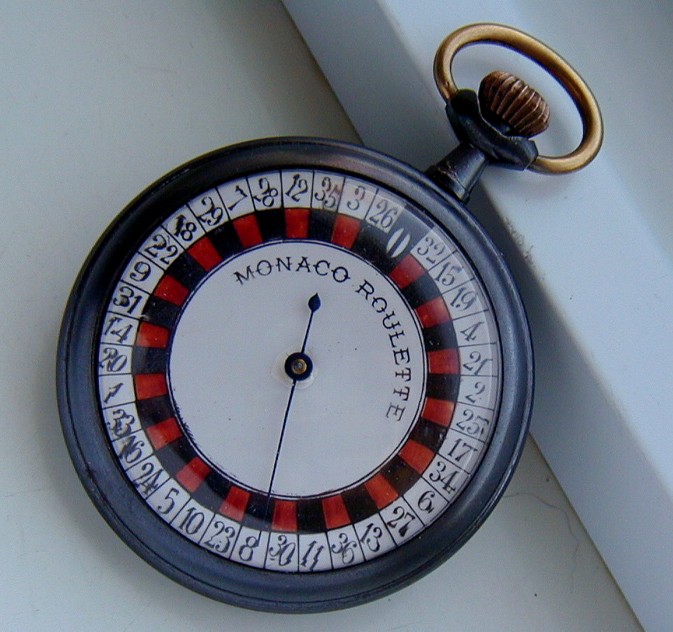
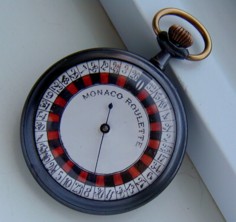
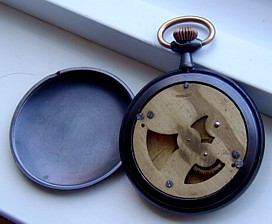
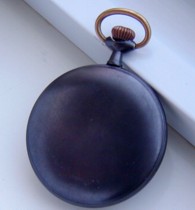
SWISS POCKET ROULETTE DIAL POCKET WATCH SERVICED 1920
STOCK NUMBER # ROULETTE10-4------This is one of a kind as I have
never seen another like it with an enamel dial before. I have serviced and
cleaned this Swiss made movement to perfection so the sweep hand goes around
smooth and without hesitation at all. To operate this enamel dial roulette watch
you wind it up with the crown and when you press the crown in the hand goes
whizzing around and around so fast it's a blur, and when you let go of the crown
the hand will randomly stop and you cannot control where it will stop, it's
amazing to see and it works perfectly. The era is 1920 and it once again has
been fully inspected and clean. It is one of a kind and rare make no doubts
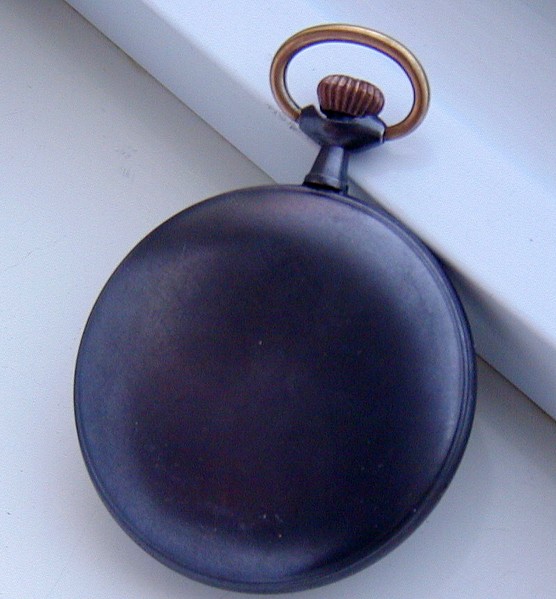
about this fact please. Across this gun metal Swiss made case is 54mm and it is
a 14 size by American standards.
1000.00 USD
 |
|
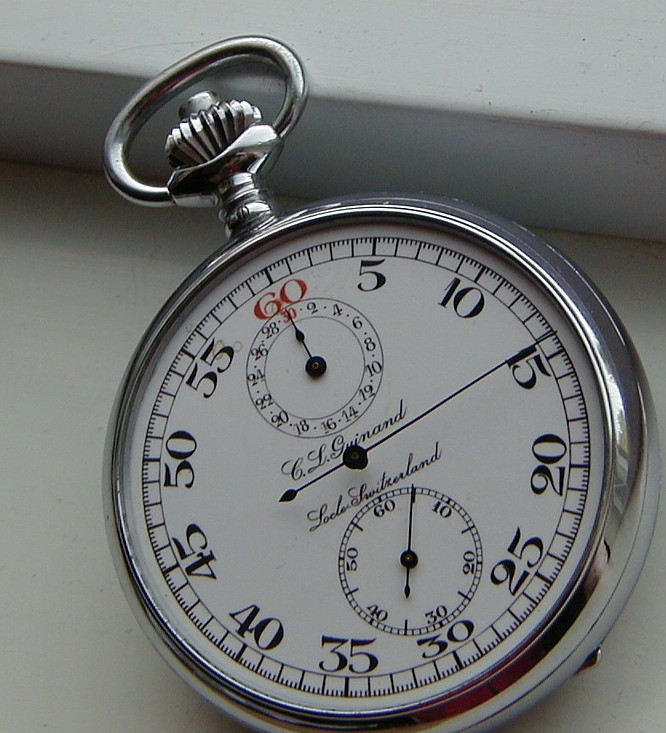
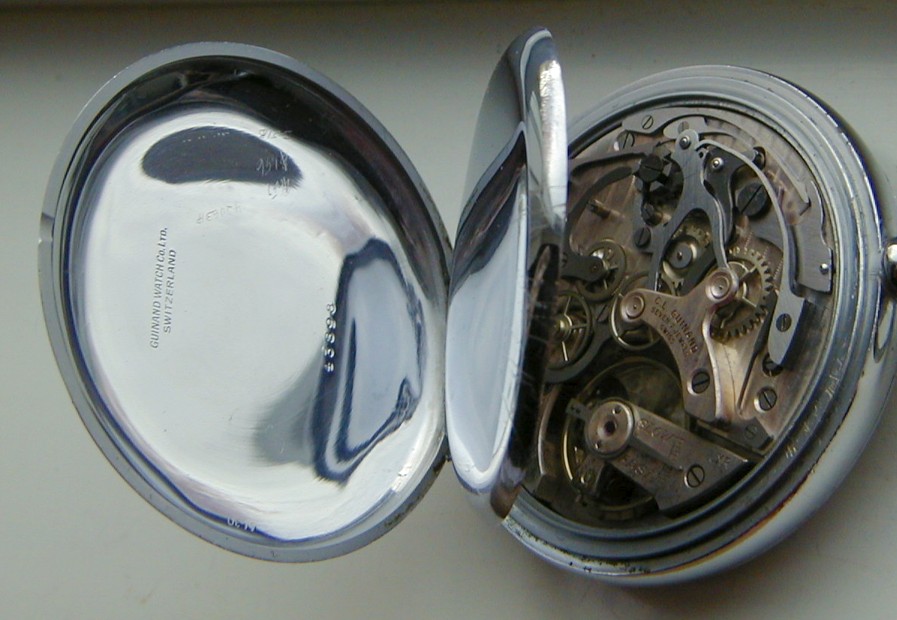
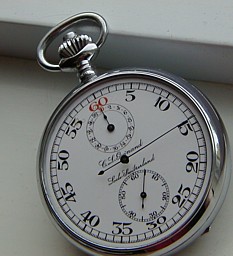
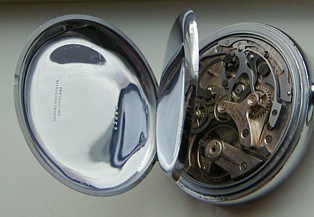
GUINAND ENAMEL DIAL MILITARY TIMER POCKET WATCH AND SERVICED 1944
STOCK NUMBER # GUINAND7740-4------I can tell you the name Guinand belongs to
the Racine/Gallet watch family and they produced the best of the best and did in
fact produce many fine time pieces for both world wars. This is a military world
war 2 bomber timer and it is with the original minty enamel dial. The top inner
circle gives you the minute count and the bottom inner circle gives you the
second count. The long arm in the middle gives you the sweeping second count
that can be stopped and then it can fly back to 12 pm or you may start it again
where it stopped. I assure you this piece is in fine working order indeed and
well maintained. The case is stainless steel and chromium and the military
serial number on the back indicates world one era. There are 7 clean and
inspected jewels to this Guinand pocket watch and it is signed on the movement
faintly Racine&co. Across this timer pocket watch is 50mm. The case, movement
and dial are all in spectacular condition and the next time your wife tells you
"we've been arguing for hours on end"' You whip this pocket watch timer out and
say "no dear only 5 minutes" and click the crown to stop the pocket watch to
show her! snicker snicker lol!
450.00 USD
  |



 secure credit card processing.

 GO TO HOME PAGE